Introduction
Acute diarrhea is a sudden increase in the frequency and looseness of bowel movements, often lasting a few days to a week. While usually self-limiting, it can be uncomfortable, cause dehydration, and sometimes signal an infection or food-related problem. Understanding the common causes and knowing safe home treatments can help manage symptoms effectively and prevent complications.
Common Causes of Acute Diarrhea
1. Viral Infections
- Most common cause, especially in children.
- Examples: Norovirus, Rotavirus, Adenovirus.
- Symptoms: Watery diarrhea, mild fever, nausea, abdominal cramps.
- Transmission: Contaminated food, water, or person-to-person contact.
2. Bacterial Infections
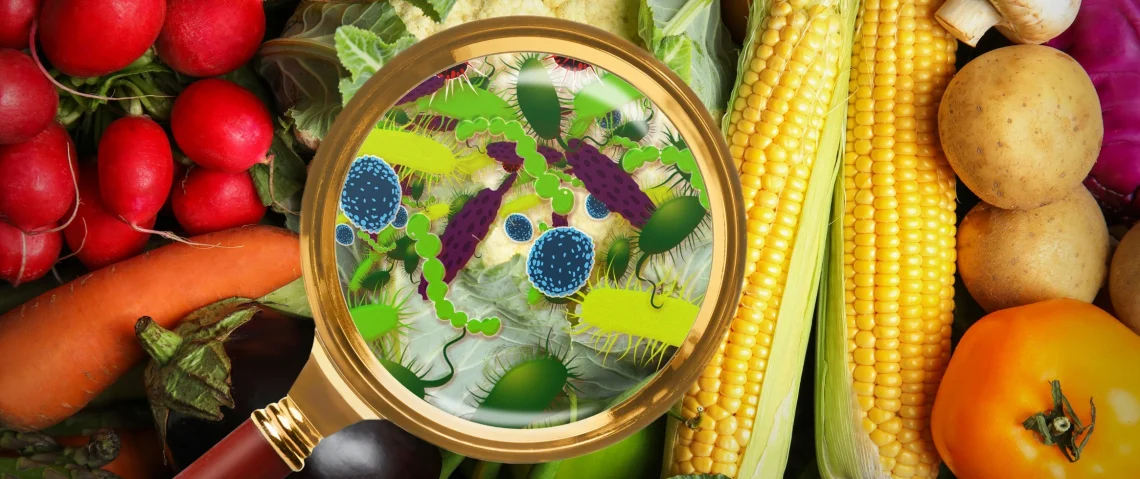
- Examples: Salmonella, Escherichia coli (E. coli), Shigella, Campylobacter.
- Often acquired through contaminated food or water.
- Symptoms: Diarrhea (sometimes bloody), abdominal pain, fever, nausea, vomiting.
- Usually more severe than viral diarrhea and may require medical evaluation.
3. Food Poisoning
- Caused by toxins produced by bacteria in spoiled food (e.g., Staphylococcus aureus, Bacillus cereus).
- Symptoms: Sudden nausea, vomiting, abdominal cramps, diarrhea within hours of eating contaminated food.
- Usually resolves within 24–48 hours, but can cause dehydration if severe.
4. Other Causes (Less Common)
- Medications (antibiotics, laxatives)
- Sudden dietary changes
- Stress-induced diarrhea
Warning Signs to Watch For
Seek medical care if diarrhea is accompanied by:
- Persistent high fever
- Blood or black stools
- Severe abdominal pain
- Signs of dehydration: dry mouth, little or no urination, dizziness
- Occurring in infants, the elderly, or immunocompromised individuals
Home Treatment for Acute Diarrhea
1. Hydration
- Drink plenty of fluids: water, oral rehydration solutions (ORS), broths.
- Avoid sugary drinks or caffeine, which can worsen diarrhea.
2. Dietary Adjustments
- Eat light and easy-to-digest foods: rice, bananas, toast, applesauce, plain crackers.
- Avoid fatty, spicy, or dairy-heavy meals until recovery.
3. Probiotics
- Yogurt or probiotic supplements may help restore gut bacteria balance.
4. Rest
- Allow your body to recover by getting adequate rest.
5. Over-the-Counter Medicines (Use Cautiously)
- Loperamide: Can reduce diarrhea but should be avoided if there is blood in the stool or high fever.
- Bismuth subsalicylate: Helps with mild diarrhea and upset stomach.
Prevention Tips
- Wash hands frequently, especially before eating and after using the toilet.
- Ensure food is properly cooked and stored.
- Drink safe, clean water.
- Avoid raw or undercooked meats and unpasteurized dairy products.
Conclusion
Acute diarrhea is usually a short-term condition caused by viruses, bacteria, or food poisoning. Most cases improve with hydration, a light diet, and rest, but severe or persistent symptoms require medical attention. Early care helps prevent dehydration and ensures complications are avoided.
FAQs
1. How long does acute diarrhea usually last?
Most cases resolve within 1–7 days.
2. Can antibiotics help viral diarrhea?
No, antibiotics are not effective against viral infections.
3. When should I use oral rehydration solutions (ORS)?
Whenever there is significant fluid loss, especially in children or the elderly.
4. Can I eat normally during diarrhea?
Eat bland, easily digestible foods; avoid fatty, spicy, or dairy-heavy meals initially.
5. Is diarrhea contagious?
Yes, viral and bacterial diarrhea can spread through contaminated food, water, or close contact.