Introduction
Diarrhea causes the body to lose fluids and electrolytes rapidly, which can lead to dehydration, especially in children, the elderly, and those with chronic illnesses. Replacing both water and essential salts is critical for recovery. While drinking plain water helps, the best results come from fluids that also replenish electrolytes like sodium, potassium, and chloride.
Why Hydration Matters in Diarrhea
- Fluid loss: Diarrhea can lead to a rapid decrease in total body water.
- Electrolyte imbalance: Sodium, potassium, and chloride are lost along with fluids, causing weakness, cramping, or in severe cases, dangerous complications.
- Supporting recovery: Proper hydration helps the body maintain blood pressure, kidney function, and nutrient transport.
Best Fluids for Diarrhea
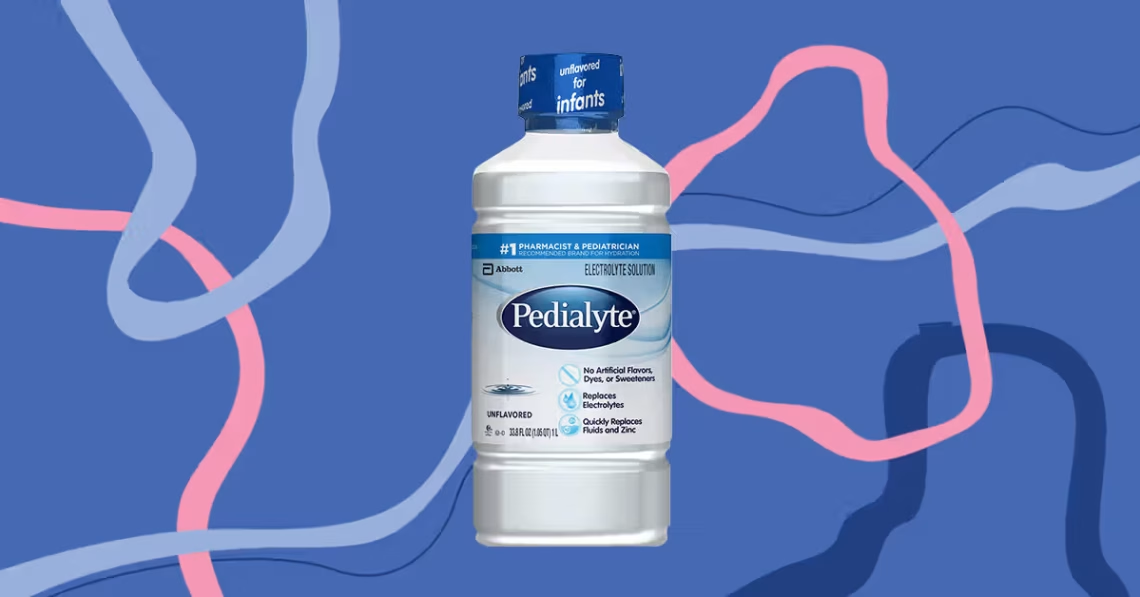
1. Oral Rehydration Solutions (ORS)
- Gold standard for treating diarrhea-related dehydration.
- Contains a precise balance of sodium, potassium, glucose, and water.
- Usage: Follow package instructions; typically sip frequently in small amounts.
- Available commercially or can be made at home with:
- 1 liter of clean water
- 6 teaspoons sugar
- ½ teaspoon salt
2. Clear Broths
- Chicken, vegetable, or beef broth provides fluid, sodium, and some nutrients.
- Warm broths are gentle on the stomach and help replace lost salts.
3. Oral Electrolyte Beverages
- Sports drinks can help replenish electrolytes, but many are high in sugar.
- Prefer diluted versions (half water, half sports drink) for children.
4. Coconut Water
- Naturally contains potassium and some sodium.
- Can be a mild alternative to ORS for mild dehydration.
5. Water
- Essential for fluid replacement.
- Should be complemented with foods or drinks containing electrolytes if diarrhea is severe or prolonged.
Fluids to Avoid During Diarrhea
- Sugary drinks or sodas: Can worsen diarrhea due to high sugar content.
- Caffeinated beverages: May increase fluid loss.
- Alcohol: Causes dehydration and can irritate the gut.
Additional Tips for Hydration
- Small, frequent sips are better than large amounts at once, especially in children.
- Monitor for signs of dehydration: dry mouth, decreased urination, dizziness, sunken eyes, lethargy.
- Combine hydration with gentle foods like bananas, rice, or toast to support recovery.
- Adjust intake based on severity: Children, the elderly, or those with persistent diarrhea may need higher fluid intake and medical evaluation.
Conclusion
Hydration is the cornerstone of diarrhea management. Oral rehydration solutions, broths, coconut water, and water are safe and effective options to replace lost fluids and electrolytes. Avoiding sugary, caffeinated, or alcoholic beverages and sipping fluids regularly can prevent dehydration and support a quicker recovery.
FAQs
1. How much fluid should I drink during diarrhea?
Sip small amounts frequently; adults may need several liters per day depending on fluid loss.
2. Can I use sports drinks instead of ORS?
Yes, in mild cases, but they should be diluted for children due to high sugar content.
3. Is water alone enough to prevent dehydration?
For mild diarrhea, possibly, but electrolyte solutions are better for moderate to severe cases.
4. Can coconut water replace ORS?
Coconut water helps with potassium and mild hydration but may not replace all electrolytes in severe diarrhea.
5. When should I seek medical help for dehydration?
If you notice very little urine, dizziness, dry mouth, rapid heartbeat, or extreme lethargy, seek immediate medical attention.