Introduction
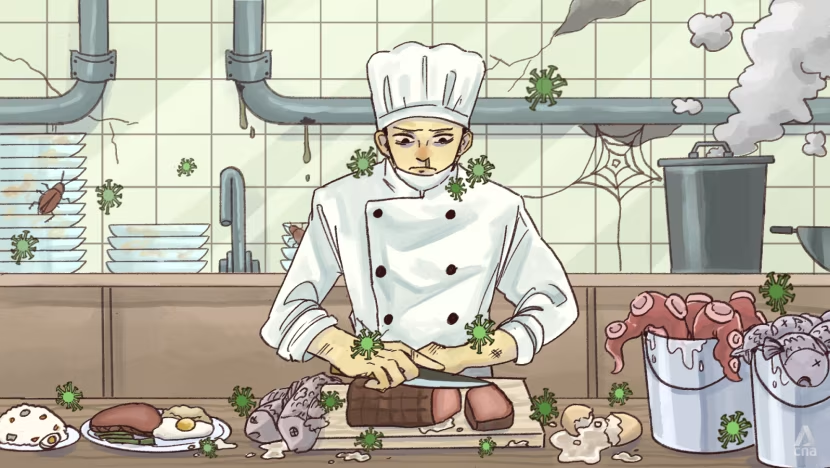
Food poisoning is an unpleasant and often unexpected illness caused by consuming contaminated food or beverages. It can result from bacteria, viruses, parasites, or toxins that infect the gastrointestinal tract, leading to nausea, vomiting, abdominal cramps, and diarrhea. While most cases are mild and resolve within a few days, recovery depends on the type and severity of the infection, the person’s overall health, and how quickly treatment begins.
Understanding the recovery timeline and knowing what to eat (and avoid) during this period can significantly ease discomfort, prevent dehydration, and promote faster healing. This article explains the stages of recovery, foods that support healing, and important precautions for a smooth return to health.
Understanding Food Poisoning
Food poisoning occurs when harmful microorganisms contaminate food during processing, storage, or preparation. Common culprits include:
- Bacteria: Salmonella, E. coli, Campylobacter, Listeria
- Viruses: Norovirus, Hepatitis A
- Parasites: Giardia lamblia, Toxoplasma gondii
- Toxins: From bacteria like Staphylococcus aureus or Clostridium botulinum
Symptoms usually begin within hours to two days after eating contaminated food and can vary in severity depending on the pathogen and amount consumed.
Common Symptoms
- Nausea and vomiting
- Diarrhea (sometimes with blood or mucus)
- Abdominal cramps
- Fever and chills
- Weakness or fatigue
- Loss of appetite
- Dehydration (dry mouth, dizziness, low urine output)
Most cases resolve within a few days, but severe infections may last longer or require medical attention.
Food Poisoning Recovery Timeline
While recovery times differ depending on the cause, here’s a general outline of what to expect during each stage:
Stage 1: Onset (0–24 Hours)
Symptoms such as nausea, vomiting, and diarrhea appear suddenly. The main goal during this period is hydration.
- Avoid solid food until vomiting subsides.
- Drink small sips of water, oral rehydration solutions, or clear broths.
- Avoid caffeine, alcohol, and dairy products.
Stage 2: Early Recovery (24–48 Hours)
As vomiting decreases and appetite begins to return, the body starts to regain strength. However, the digestive system remains sensitive.
- Continue hydration.
- Begin eating bland, low-fat foods that are easy to digest.
- Eat small, frequent meals rather than large portions.
Stage 3: Healing Phase (3–5 Days)
Most people begin feeling significantly better within three to five days. Energy levels improve, and bowel movements start to normalize.
- Gradually reintroduce regular foods.
- Continue to avoid spicy, greasy, or heavy meals.
- Incorporate probiotic-rich foods to restore gut bacteria.
Stage 4: Full Recovery (1 Week and Beyond)
After a week, most people recover fully, though some may experience lingering weakness or mild digestive discomfort.
- Resume a balanced diet with lean proteins, fruits, and vegetables.
- Stay hydrated and continue probiotics if antibiotics were used.
If symptoms persist beyond a week or worsen, consult a healthcare professional.
What to Eat During Recovery
The right diet can help calm the stomach, replenish lost nutrients, and restore normal digestion. The BRAT diet (Bananas, Rice, Applesauce, Toast) is often recommended in the early recovery stages.
1. Clear Fluids (First 24 Hours)
- Water
- Oral rehydration salts (ORS)
- Clear broths (chicken or vegetable)
- Coconut water
- Herbal teas (ginger or peppermint to soothe nausea)
Why: These fluids replace electrolytes lost through vomiting and diarrhea and prevent dehydration.
2. Bland, Starchy Foods (24–48 Hours)
- Bananas
- White rice
- Plain toast or crackers
- Applesauce
- Boiled potatoes
- Oatmeal
Why: These foods are gentle on the stomach, provide quick energy, and are less likely to trigger nausea or diarrhea.
3. Protein and Nutrient-Rich Foods (3–5 Days)
- Boiled or baked chicken
- Steamed fish
- Scrambled or boiled eggs
- Plain yogurt (with probiotics)
- Soft cooked vegetables (carrots, pumpkin, spinach)
Why: Protein supports recovery, and probiotics help restore healthy gut bacteria disrupted by infection.
4. Hydration-Boosting Drinks
- Diluted fruit juices (avoid acidic ones like orange juice)
- Electrolyte drinks or rehydration solutions
- Soups with added salt to replenish sodium levels
Tip: Drink slowly but frequently throughout the day.
Foods to Avoid During Recovery
Certain foods can irritate the stomach or slow recovery. Avoid these until you are fully recovered:
- Dairy products: Milk, cheese, and ice cream (can worsen diarrhea)
- Fatty or fried foods: Hard to digest and may trigger nausea
- Spicy foods: Can irritate the gut lining
- Caffeine and alcohol: Dehydrate the body and strain digestion
- High-fiber foods: Raw vegetables, beans, and whole grains can worsen bloating or cramps
- Sugary foods or sodas: May increase diarrhea by drawing water into the intestines
Probiotics and Gut Recovery
After food poisoning, the natural balance of gut bacteria may be disrupted. Consuming probiotics—either through supplements or foods like yogurt, kefir, and fermented vegetables—can help restore this balance, reduce bloating, and prevent recurring digestive issues.
Recommended probiotic strains include:
- Lactobacillus rhamnosus GG
- Bifidobacterium bifidum
- Saccharomyces boulardii
When to See a Doctor
Seek medical attention if you experience any of the following:
- Persistent vomiting or diarrhea lasting more than 3 days
- High fever (above 38.5°C / 101.3°F)
- Blood or mucus in stools
- Severe abdominal pain or swelling
- Signs of dehydration (dizziness, low urine output, dry mouth)
- Symptoms in very young children, elderly, or immunocompromised individuals
Prompt treatment may include antibiotics, rehydration therapy, or laboratory testing to identify the specific cause.
Conclusion
Recovering from food poisoning requires patience, hydration, and gentle nutrition. Most people recover within a few days, but proper care during this period can make a big difference.
Start with clear fluids, transition to bland foods, and gradually reintroduce normal meals as your body heals. Avoid foods that irritate the stomach and prioritize hydration throughout recovery. Adding probiotics can further support gut healing and prevent future episodes.
With mindful eating and adequate rest, your digestive system can bounce back stronger and healthier.
FAQs
1. How long does it take to fully recover from food poisoning?
Most mild cases resolve within 2–5 days, but recovery can take up to a week depending on the cause and overall health.
2. Can I take medicine to stop diarrhea?
Avoid anti-diarrheal medications in the first 24 hours unless prescribed, as they can trap toxins inside the intestines.
3. Is it safe to eat dairy after food poisoning?
Not immediately. Wait until your digestion normalizes, as dairy can irritate the stomach and worsen diarrhea.
4. What are the best drinks during recovery?
Water, oral rehydration solutions, clear broths, and coconut water are ideal for maintaining fluid and electrolyte balance.
5. When should I seek medical help?
If symptoms persist beyond three days, if there’s blood in stools, or if dehydration signs appear, consult a doctor promptly.