Introduction
Diarrhea is a common concern among infants and young children and one of the most frequent reasons parents seek pediatric care. It is typically defined as an increase in the frequency, looseness, or volume of stools compared to a child’s normal pattern. While many cases are mild and short-lived, diarrhea can lead to dehydration, which poses a greater risk to babies and toddlers than to older children or adults.
Understanding the causes, home care strategies, and warning signs that require medical attention can help parents manage the condition confidently and ensure their child’s quick recovery.
Understanding Diarrhea in Young Children
What Happens During Diarrhea?
When the intestines are irritated or infected, they become less efficient at absorbing water and nutrients. This results in loose, watery stools, sometimes accompanied by cramping, gas, or fever.
Because babies and toddlers have smaller bodies and fluid reserves, they lose fluids and electrolytes more rapidly — making hydration the most critical aspect of care.
Common Causes of Diarrhea in Babies and Toddlers
Several factors can cause diarrhea in young children, including infections, dietary issues, and even medications. Understanding these causes helps guide treatment and prevention.
1. Viral Infections
The most frequent cause of diarrhea in babies and toddlers.
Common culprits include:
- Rotavirus (most common in infants)
- Norovirus (often causes outbreaks in daycares or families)
- Adenovirus and astrovirus
These viruses usually resolve on their own within a few days but can cause significant fluid loss.
2. Bacterial Infections
Bacteria like Salmonella, E. coli, Shigella, and Campylobacter can cause severe diarrhea, often with fever, stomach pain, and sometimes blood or mucus in stools.
Such cases may require stool testing and medical treatment.
3. Parasitic Infections
Parasites such as Giardia lamblia or Cryptosporidium may lead to prolonged diarrhea, especially in children exposed to contaminated water or daycare environments.
4. Food Intolerance or Allergy
Some children develop diarrhea from:
- Lactose intolerance (difficulty digesting milk sugar)
- Cow’s milk protein allergy
- Gluten sensitivity (celiac disease)
Identifying and eliminating the trigger food usually resolves symptoms.
5. Antibiotic Use
Antibiotics can disturb the natural balance of gut bacteria, leading to antibiotic-associated diarrhea. Probiotics are often helpful in restoring healthy gut flora.
6. Teething or Minor Illnesses
Occasionally, mild diarrhea may accompany teething or viral colds due to increased saliva swallowing or mild intestinal irritation. However, this should not last more than a couple of days.
Recognizing Dehydration — The Biggest Risk
Dehydration is the most serious complication of diarrhea in babies and toddlers. Parents should closely watch for early signs, including:
Mild Dehydration Signs:
- Fewer wet diapers than usual (fewer than 6 per day in infants)
- Dry mouth or lips
- Irritability or fussiness
- Slightly sunken eyes
Moderate to Severe Dehydration Signs:
- Very little or no urine for 6–8 hours
- Sunken fontanelle (soft spot on the baby’s head)
- Cold hands and feet
- Rapid heartbeat
- Drowsiness or lethargy
If any of these occur, seek medical attention immediately — dehydration in young children can escalate quickly.
Caring for a Baby or Toddler with Diarrhea
1. Keep the Child Hydrated
- Offer oral rehydration solutions (ORS) such as Pedialyte, Hydralyte, or homemade ORS (a mix of salt, sugar, and clean water).
- Continue breastfeeding or formula feeding—breast milk helps fight infection and prevents dehydration.
- Avoid fruit juices, sodas, or sugary drinks, which can worsen diarrhea.
2. Adjust the Diet (for Older Babies and Toddlers)
Once vomiting subsides and appetite returns:
- Offer bland, easy-to-digest foods: bananas, rice, applesauce, toast, potatoes, or oatmeal.
- Introduce lean proteins like boiled chicken or eggs once stools start firming up.
- Avoid spicy, greasy, or high-fat foods.
- Limit dairy for a few days if it seems to worsen symptoms.
3. Maintain Hygiene
- Wash hands frequently, especially after diaper changes.
- Disinfect toys, high chairs, and changing tables to prevent reinfection.
- Use separate towels and utensils for the sick child if possible.
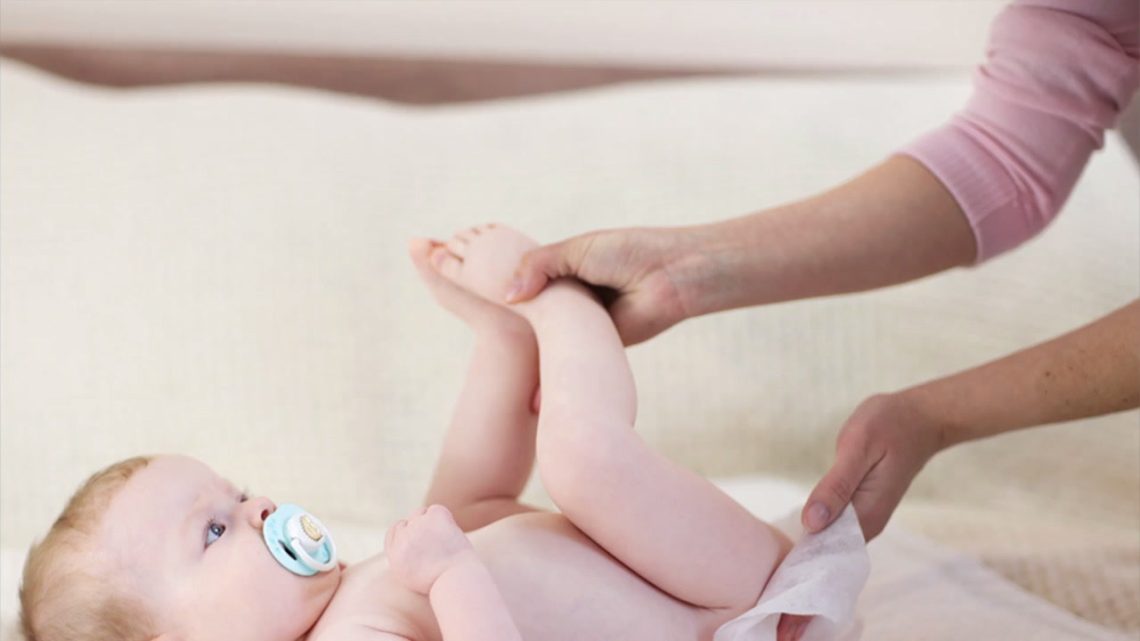
4. Protect the Skin
Frequent diarrhea can cause diaper rash or irritation.
- Change diapers promptly.
- Clean the area gently with warm water, pat dry, and apply a zinc oxide barrier cream.
5. Use Probiotics (with Pediatric Guidance)
Probiotics such as Lactobacillus rhamnosus GG or Saccharomyces boulardii can help restore gut bacteria and shorten diarrhea duration. Always consult your pediatrician for the correct strain and dosage.
When to Call the Pediatrician
Contact your child’s doctor immediately if you notice any of the following:
- Diarrhea lasting longer than 3 days
- High fever (over 38.5°C or 101.3°F)
- Blood or mucus in the stool
- Signs of dehydration (dry mouth, few wet diapers, lethargy)
- Persistent vomiting preventing fluid intake
- Severe abdominal pain or swelling
- Diarrhea after recent antibiotic use
- Diarrhea in an infant under 6 months old
Early medical intervention helps prevent complications and ensures appropriate treatment.
Prevention Tips
- Practice good hygiene: Frequent handwashing before feeding or after diaper changes.
- Safe feeding practices: Wash bottles, nipples, and feeding utensils thoroughly.
- Store food properly: Refrigerate leftovers promptly and avoid raw or undercooked meats.
- Vaccination: Ensure your child receives the rotavirus vaccine, which significantly reduces severe diarrhea cases in infants.
Conclusion
While diarrhea in babies and toddlers is often mild and resolves on its own, vigilance is key. Maintaining hydration, offering gentle nutrition, and practicing good hygiene are the foundations of home care. Parents should always be alert for signs of dehydration or worsening symptoms — these warrant a prompt visit to the pediatrician.
With proper care, most children recover quickly and return to normal feeding and play within a few days. Preventive habits, especially good hygiene and vaccination, can greatly reduce the risk of future episodes.
FAQs
1. How long does diarrhea usually last in babies?
Most cases resolve within 3 to 5 days, but if it lasts longer than a week, medical evaluation is necessary.
2. Should I stop breastfeeding during diarrhea?
No. Continue breastfeeding — it provides hydration, nutrients, and antibodies that help fight infection.
3. Can teething cause diarrhea?
Teething may cause mild loose stools but not true diarrhea. If stools are frequent or watery, another cause should be considered.
4. Are probiotics safe for infants?
Yes, certain probiotic strains are safe and may help shorten diarrhea duration. Always consult your pediatrician for proper guidance.
5. When should I go to the hospital?
Go to the hospital if your child shows signs of dehydration, has blood in the stool, continuous vomiting, or is unusually drowsy or weak.