Introduction
Migraines are more than just bad headaches — they are a neurological disorder characterized by intense, throbbing head pain often accompanied by nausea, vomiting, and sensitivity to light and sound. These attacks can last from a few hours to several days, making even simple daily activities challenging.
While no single cure exists, a combination of targeted medications and non-drug relief methods — such as resting in a dark, quiet room and applying a cold compress — can help reduce the pain and duration of an attack. Understanding how and when to use these strategies can make a significant difference in managing migraines effectively.
Understanding Migraine Attacks
Migraines typically progress through several stages, though not everyone experiences them all:
- Prodrome (early signs): Mood changes, fatigue, or food cravings hours before the headache begins.
- Aura (in some people): Visual disturbances such as flashing lights, blind spots, or tingling sensations.
- Headache phase: Intense, one-sided, pulsating pain that can worsen with movement.
- Postdrome: After the headache subsides, fatigue and mental fog may linger.
Because migraines vary widely between individuals, a personalized relief plan combining medication and lifestyle measures offers the best results.
1. Medications for Migraine Relief
Medications for migraines fall into two main categories: acute (abortive) and preventive (prophylactic). The right choice depends on the frequency and severity of your attacks.
A. Acute (Abortive) Medications
These are taken at the first sign of a migraine to stop or reduce its intensity.
1. Over-the-Counter (OTC) Options
- Pain relievers: Paracetamol (acetaminophen), ibuprofen, or naproxen.
- Combination formulas: Caffeine with aspirin or paracetamol (e.g., Excedrin Migraine) can improve effectiveness.
Tip: Take these medications early, ideally during the first signs of a migraine, for best results.
2. Prescription Medications
- Triptans: (e.g., sumatriptan, rizatriptan, zolmitriptan) — target serotonin receptors to narrow blood vessels and block pain signals.
- Ergotamines: (e.g., dihydroergotamine) — effective for longer or more severe attacks.
- Anti-nausea drugs: (e.g., metoclopramide or domperidone) — help with nausea and improve drug absorption.
B. Preventive (Prophylactic) Medications
Used for frequent or disabling migraines (more than 4–5 per month). These are taken daily to reduce frequency and severity.
- Beta-blockers: Propranolol, metoprolol
- Anticonvulsants: Topiramate, valproate
- Antidepressants: Amitriptyline
- CGRP inhibitors: Erenumab, fremanezumab, galcanezumab (newer options targeting migraine pathways)
Important: Preventive medications take a few weeks to show results and should only be used under medical supervision.
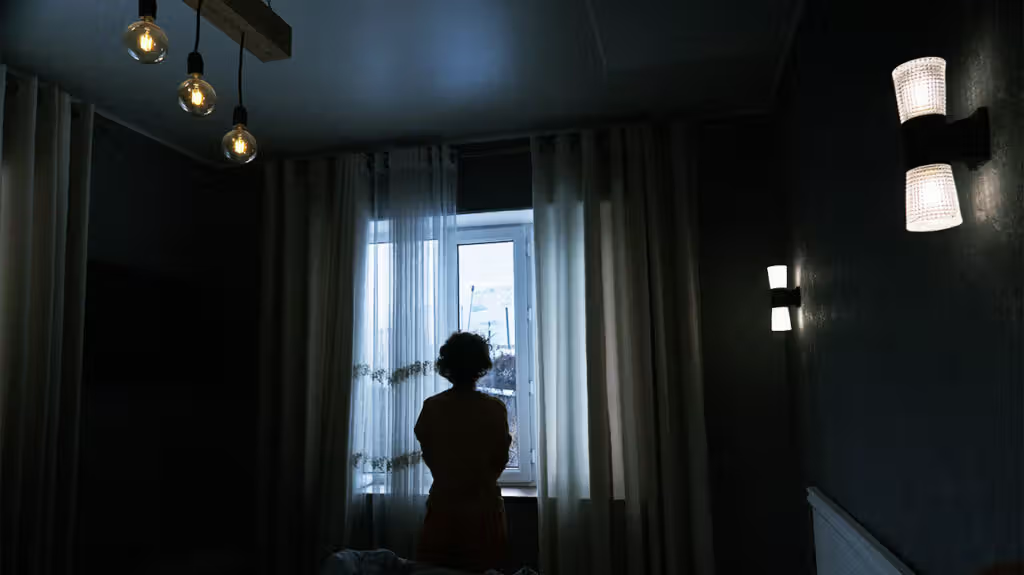
2. Resting in a Dark, Quiet Room
Light and sound sensitivity are hallmark symptoms of migraines. Bright lights, loud noises, and even minor sensory stimulation can worsen pain.
Why It Helps
Migraines involve overactivity in the brain’s sensory pathways, making you hypersensitive to external stimuli. Retreating to a dark, quiet environment minimizes these triggers and allows your body to calm.
How to Do It Effectively
- Choose a cool, dark room with minimal noise.
- Use blackout curtains or an eye mask to block light.
- Turn off screens (phones, TVs, computers).
- Try deep breathing or mindfulness to relax tense muscles and reduce stress.
Even 30–60 minutes of rest in darkness can significantly ease pain and shorten the duration of an attack.
3. Applying a Cold Compress
A cold compress or ice pack is a simple yet powerful natural remedy for migraines.
Why Cold Therapy Works
Cold constricts blood vessels and numbs pain by reducing nerve activity and inflammation in the head and neck area. It also provides a soothing distraction from throbbing pain.
How to Use a Cold Compress
- Wrap an ice pack or bag of frozen peas in a thin towel.
- Apply to the forehead, temples, or back of the neck for 15–20 minutes.
- Remove for a few minutes, then reapply as needed.
Some people prefer alternating cold and warm compresses to relax tense neck muscles and improve blood circulation once the sharp pain subsides.
Tip: Avoid applying ice directly to the skin to prevent frostbite or irritation.
4. Additional Home Remedies and Lifestyle Strategies
Hydration
Dehydration can trigger or worsen migraines. Drink plenty of water throughout the day, especially during or after an attack.
Caffeine (in moderation)
Small amounts of caffeine can enhance pain relief and constrict blood vessels, but excess intake or withdrawal can trigger migraines.
Relaxation Techniques
- Deep breathing
- Yoga or gentle stretching
- Progressive muscle relaxation
- Meditation or mindfulness apps
Sleep and Routine
Maintain regular sleep and meal patterns — sudden changes can trigger migraines.
Identify Triggers
Keep a migraine diary noting foods, activities, stress levels, and sleep patterns to identify and avoid your personal triggers.
When to Seek Medical Help
You should consult a doctor if:
- Migraines occur more than 4 times per month
- Attacks are severe or resistant to medication
- You experience new or unusual symptoms (e.g., vision loss, weakness, confusion)
- Headaches suddenly change in pattern or intensity
Your doctor can recommend stronger treatments, preventive medications, or evaluate for other neurological causes.
Conclusion
Migraines can be life-disrupting, but effective relief is possible through a combination of proper medication, environmental control, and self-care techniques.
Using triptans or pain relievers early, resting in a dark, quiet room, and applying a cold compress can significantly reduce pain and speed recovery.
Long-term management involves understanding your triggers, maintaining healthy habits, and working closely with a healthcare provider to find the right balance of treatments. With the right approach, most migraine sufferers can regain control and improve their quality of life.
FAQs
1. Should I use a cold or warm compress for migraines?
Cold compresses work best during an active migraine attack, while warm compresses can relax neck muscles after the pain eases.
2. How long should I rest in a dark room?
Rest as long as needed — even 30–60 minutes can help, but some people may need a few hours of quiet recovery.
3. Can caffeine stop a migraine?
A small amount may help early in an attack, but overuse can cause rebound headaches or withdrawal migraines.
4. When should I take migraine medicine?
Take it as soon as early symptoms appear — medications are most effective before pain peaks.
5. When should I see a doctor?
See a doctor if migraines are frequent, severe, or worsening, or if you develop new symptoms such as vision changes, confusion, or weakness.