Introduction
Tension headaches are among the most common types of headaches, affecting millions of people around the world. These headaches can range from mild to severe and can be debilitating, impacting daily activities and overall quality of life. Often described as a dull, aching pain, tension headaches are usually associated with tightness around the forehead, temples, or the back of the head and neck.
While the exact cause of tension headaches is not always clear, they are often triggered by stress, poor posture, and muscle tension. Thankfully, there are numerous ways to alleviate the pain and prevent the onset of these headaches. In this article, we’ll explore the common triggers of tension headaches, how stress management, posture correction, and stretching can play key roles in preventing and relieving them, and how adopting a holistic approach can lead to long-term relief.
Understanding Tension Headaches
What Are Tension Headaches?
Tension headaches are characterized by mild to moderate pain, often described as feeling like a tight band around the head. Unlike migraines, which are typically associated with throbbing pain and nausea, tension headaches are usually more of a constant, dull ache.
They may occur intermittently or on a chronic basis, with episodes lasting anywhere from 30 minutes to several hours. While the exact cause isn’t fully understood, it is widely believed that they are linked to muscle contractions in the neck and scalp, often triggered by stress or poor posture.
Common Symptoms of Tension Headaches
- Dull, aching pain around the head, especially in the forehead, temples, or back of the neck.
- Tightness or pressure that feels like a band or vice-like grip around the head.
- Neck stiffness or soreness.
- Sensitivity to light or sound (though less common than with migraines).
- Mild nausea (in some cases).
Tension headaches can be acute (occurring once in a while) or chronic (occurring more than 15 days per month for at least three months).
Key Triggers of Tension Headaches
1. Stress and Anxiety
Stress is one of the leading causes of tension headaches. When you experience stress, whether it’s from work, relationships, or daily responsibilities, your body reacts by tightening the muscles in your neck, shoulders, and scalp. This muscle tension can lead to the dull, aching pain associated with tension headaches.
Chronic anxiety and stress can make it harder for your body to relax, leading to more frequent and intense headaches. Emotional triggers such as worry, frustration, or even excitement can play a role in elevating stress levels and triggering muscle tension.
2. Poor Posture
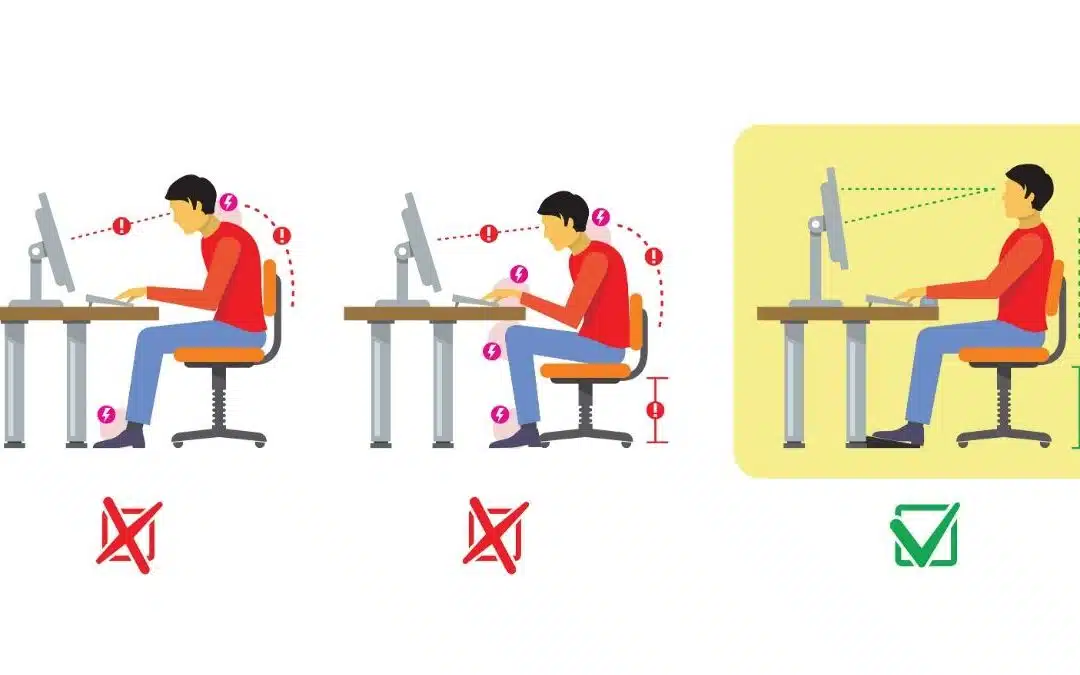
Posture plays a significant role in the development of tension headaches. When you slouch or hunch over, especially for extended periods, it puts additional strain on the muscles in your neck, shoulders, and upper back. Over time, this muscle strain can lead to the onset of a headache.
Common postural issues that can lead to tension headaches include:
- Forward head posture: Often seen in people who spend long hours looking at computer screens or mobile devices.
- Slouching or rounded shoulders: This can happen when sitting at a desk for long periods, which causes the muscles in the upper back and neck to tighten.
- Text neck: A modern-day issue related to looking down at smartphones or tablets for prolonged periods.
3. Muscle Tension and Overuse
Overworking certain muscle groups, especially the muscles in the neck, shoulders, and upper back, can lead to tension headaches. This often occurs when someone spends long hours working at a desk, lifting heavy objects, or maintaining a physically demanding posture without taking breaks.
Even sleeping in an awkward position or using an unsupportive pillow can result in muscle tension that contributes to headaches.
4. Sleep Problems
Lack of sleep or poor-quality sleep can exacerbate stress and muscle tension, increasing the likelihood of tension headaches. Inadequate rest can lead to increased sensitivity to pain and make it harder for the body to recover from stress and physical strain.
5. Caffeine and Dehydration
While moderate caffeine intake may help alleviate headache pain for some, overuse of caffeine or withdrawal can trigger headaches. Dehydration is another factor that can contribute to muscle tension and headaches, so it’s essential to drink enough water throughout the day.
How Stress Management Helps in Preventing Tension Headaches
1. Relaxation Techniques
Managing stress is one of the most effective ways to reduce the frequency and intensity of tension headaches. Incorporating relaxation techniques such as deep breathing, progressive muscle relaxation (PMR), or guided meditation into your routine can help calm the mind and relieve the physical tension in the body.
- Deep Breathing: Slow, deep breaths activate the parasympathetic nervous system, which reduces stress and encourages muscle relaxation.
- Progressive Muscle Relaxation (PMR): This involves tensing and then relaxing each muscle group, starting from the toes and working up to the head, which can reduce overall tension.
- Mindfulness Meditation: Practicing mindfulness can help reduce stress by teaching individuals to focus on the present moment and manage negative emotions.
2. Time Management and Breaks
Taking regular breaks throughout the day can prevent the accumulation of stress and muscle strain. If you work at a desk or computer, try following the 20-20-20 rule: every 20 minutes, look at something 20 feet away for 20 seconds to give your eyes and neck muscles a break.
3. Therapy or Counseling
For those with chronic stress or anxiety, seeking therapy or counseling can be an essential step in addressing underlying emotional triggers. Cognitive-behavioral therapy (CBT) can help people identify and manage thought patterns that contribute to stress.
Correcting Posture to Prevent Tension Headaches
Good posture isn’t just about looking confident—it’s crucial for preventing strain on the muscles that contribute to tension headaches.
1. Proper Ergonomics at Work
If you spend a lot of time at a desk, make sure your workstation is ergonomically sound. The top of your computer monitor should be at eye level, and your chair should support your lower back. Keep your feet flat on the floor, and your elbows at a 90-degree angle when typing.
2. Standing and Sitting Posture
Good posture while standing and sitting helps to distribute weight evenly across the body, minimizing muscle strain. When sitting, ensure that your back is straight and your shoulders are relaxed. Avoid slouching or leaning forward.
3. Avoiding “Text Neck”
With the increase in smartphone and tablet use, “text neck” has become a common problem. To avoid this, hold your device at eye level rather than looking down. Also, take frequent breaks to stand and stretch.
Stretching and Physical Therapy for Tension Headache Relief
Stretching is an effective way to relieve muscle tension and prevent headaches. When muscles become tight and stiff, they can contribute to pain. Regular stretching can help loosen these muscles and improve flexibility.
1. Neck and Shoulder Stretches
Stretching the neck and shoulders is one of the best ways to alleviate tension headaches. Some effective stretches include:
- Neck tilts: Gently tilt your head towards each shoulder, holding for 10-15 seconds on each side.
- Neck rotations: Slowly rotate your neck in a circular motion to increase mobility.
- Shoulder rolls: Roll your shoulders backward in a circular motion to release tension in the upper back and neck.
2. Strengthening Exercises
Strengthening the muscles of the upper back and neck can prevent future tension headaches. A physical therapist can guide you through targeted exercises, such as:
- Scapular squeezes: Pinch your shoulder blades together and hold for a few seconds to strengthen the muscles between your shoulder blades.
- Chin tucks: Gently tuck your chin to your chest to strengthen the muscles at the back of your neck.
3. Massage Therapy
Regular massage therapy, particularly focused on the neck, shoulders, and upper back, can help release muscle tightness and promote relaxation. Professional massage can provide immediate relief and, when done regularly, can prevent the recurrence of tension headaches.
Conclusion
Tension headaches are a common and often debilitating condition, but with the right strategies, they can be managed and even prevented. Stress management, maintaining proper posture, and incorporating regular stretching into your routine can all play vital roles in reducing the frequency and severity of tension headaches. By taking a holistic approach—balancing mental, physical, and emotional well-being—you can improve your quality of life and minimize the impact of these headaches.
While occasional tension headaches are normal, if you experience them frequently or they worsen over time, it’s important to consult with a healthcare provider to rule out other underlying conditions and receive tailored treatment.
FAQs
- What is the main cause of tension headaches?
The main causes of tension headaches are stress, poor posture, muscle tension, and lack of sleep. These factors contribute to the tightening of muscles in the neck, scalp, and shoulders. - Can dehydration cause a tension headache?
Yes, dehydration can lead to muscle tension and increase the likelihood of tension headaches. Drinking enough water throughout the day can help prevent them. - How long do tension headaches last?
Tension headaches can last anywhere from 30 minutes to several hours. Chronic tension headaches can last much longer, sometimes affecting individuals for several days at a time. - Is exercise beneficial for preventing tension headaches?
Yes, regular exercise can help improve posture, reduce stress, and strengthen muscles, all of which can help prevent