Introduction
Headaches are a common ailment that many people experience, but not all headaches are created equal. Two types of headaches that are often confused are sinus headaches and migraines. Both can cause significant discomfort and disrupt daily activities, but they have distinct causes, symptoms, and treatments. Understanding the differences between a sinus headache and a migraine is crucial for seeking the most appropriate treatment and finding relief. In this article, we’ll explore the key differences between these two types of headaches, their causes, symptoms, triggers, and how to properly diagnose and manage them.
What is a Sinus Headache?
A sinus headache is pain that occurs when the sinuses (air-filled spaces in the skull located behind the forehead, cheeks, and eyes) become inflamed or congested due to an infection, allergy, or cold. The sinus passages are lined with mucus membranes, and when they swell or become blocked, the pressure inside the sinuses increases, leading to pain.
Causes of Sinus Headaches
- Sinus Infection (Sinusitis): Bacterial or viral infections can cause inflammation and blockage in the sinus cavities, leading to sinus headaches.
- Allergic Reactions: Allergens like pollen, dust, mold, or pet dander can cause sinus inflammation, resulting in sinus headache symptoms.
- Common Cold: A cold or upper respiratory infection often causes nasal congestion and sinus inflammation.
- Environmental Irritants: Strong odors, smoke, pollution, or chemicals can irritate the sinuses and lead to headaches.
Symptoms of Sinus Headaches
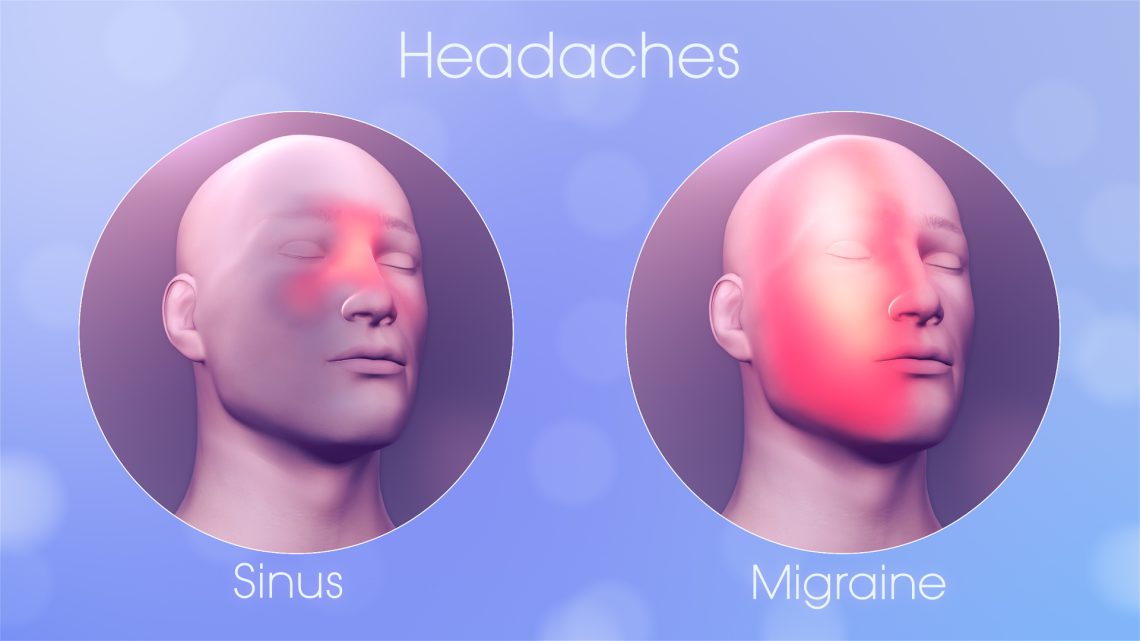
- Pain and Pressure: Sinus headaches cause deep, constant pain and pressure, typically in the forehead, around the eyes, or in the cheeks. The pain may worsen when bending over or lying down.
- Nasal Congestion: A blocked or runny nose is common, as the sinuses become inflamed and produce excess mucus.
- Facial Tenderness: The skin over the affected sinuses may feel tender to the touch.
- Post-Nasal Drip: Excess mucus drainage from the nose can drip down the back of the throat, causing irritation or a sore throat.
- Coughing or Throat Clearing: Often occurs as a result of sinus drainage.
- Mild Fever: In some cases, particularly with sinus infections, a low-grade fever may be present.
What is a Migraine?
A migraine is a neurological condition characterized by severe, often debilitating, headaches. Migraines are not simply a “bad headache” but a complex disorder with various symptoms. They are thought to involve changes in brain chemistry, blood flow, and nerve function, although the exact cause is still not fully understood.
Causes of Migraines
- Genetics: Migraines tend to run in families, suggesting a genetic component.
- Brain Chemistry Imbalance: Changes in neurotransmitters, like serotonin, may trigger migraines.
- Hormonal Changes: Many women experience migraines related to hormonal fluctuations, such as those occurring during menstruation, pregnancy, or menopause.
- Environmental Triggers: Bright lights, loud noises, strong odors, weather changes, or certain foods and drinks can trigger migraines.
- Stress or Lack of Sleep: Stress and disrupted sleep patterns are common migraine triggers.
Symptoms of Migraines
- Severe, Pulsating Pain: Migraines typically involve intense, throbbing pain, usually on one side of the head, though it can affect both sides. The pain is often described as debilitating.
- Aura: Some individuals experience visual disturbances called “aura” before a migraine attack. These can include flashing lights, blind spots, or zigzag patterns in vision.
- Nausea and Vomiting: Migraines often cause nausea, which may lead to vomiting.
- Sensitivity to Light and Sound: Individuals with migraines often seek a dark, quiet room due to extreme sensitivity to light (photophobia) and sound (phonophobia).
- Fatigue and Dizziness: Migraines can lead to feelings of dizziness, weakness, and extreme fatigue.
- Duration: Migraines can last from 4 to 72 hours, and the intensity of pain usually peaks after a few hours.
Key Differences Between Sinus Headaches and Migraines
1. Pain Location and Type
- Sinus Headache: The pain is typically concentrated in the face, around the sinuses, which are located in the forehead, cheeks, or behind the eyes. The pain is usually described as a pressure or a dull, aching pain.
- Migraine: The pain is often one-sided (though it can occur on both sides) and tends to be throbbing or pulsating. The pain is usually more intense and disabling than a sinus headache.
2. Nasal Symptoms
- Sinus Headache: Nasal congestion, runny nose, and thick nasal discharge are hallmark signs of sinus headaches. Facial tenderness or swelling may also be present over the sinuses.
- Migraine: While some people with migraines may experience sinus-like symptoms, such as congestion or a stuffy nose, these are not typically a primary symptom. Migraines are not usually associated with significant nasal congestion or thick mucus.
3. Triggering Factors
- Sinus Headache: Sinus headaches are often triggered by infections, allergies, or environmental factors that affect the sinuses, such as changes in weather, pollution, or allergens.
- Migraine: Migraines are typically triggered by internal factors such as hormonal changes, stress, or certain foods and drinks. External factors, like bright lights or strong odors, can also be triggers, but they are not related to the sinuses.
4. Associated Symptoms
- Sinus Headache: Commonly includes facial pressure, nasal discharge, post-nasal drip, and sometimes a mild fever. The headache often worsens with changes in position, such as bending over.
- Migraine: Migraines come with nausea, vomiting, and extreme sensitivity to light and sound. Some individuals may experience an “aura” before the onset of pain, such as visual disturbances or tingling sensations.
5. Duration of Pain
- Sinus Headache: The pain from a sinus headache may last for several hours or days, but it often subsides when the underlying sinus congestion or infection improves.
- Migraine: Migraines typically last longer, from 4 to 72 hours, and tend to be more severe, sometimes requiring medical intervention to alleviate symptoms.
6. Response to Treatment
- Sinus Headache: Nasal decongestants, antihistamines, and treatments for sinus infections, such as antibiotics or nasal sprays, often provide relief.
- Migraine: Migraines are usually treated with medications like triptans, pain relievers, or preventive treatments such as beta-blockers or antidepressants. Over-the-counter treatments may be less effective for severe migraines.
How to Properly Diagnose Sinus Headaches vs. Migraines
It’s not always easy to distinguish between a sinus headache and a migraine, especially since the symptoms can overlap, such as facial pain or congestion. However, understanding the key differences and paying attention to specific symptoms can help guide the diagnosis. If you’re experiencing frequent or severe headaches, it’s important to see a healthcare provider for a proper evaluation.
A doctor will typically consider the following when diagnosing the type of headache:
- Physical Examination: Checking for tenderness in the sinuses and signs of congestion.
- Medical History: Inquiring about family history (especially for migraines), triggers, and symptom patterns.
- Imaging Tests: If sinus infection is suspected, a CT scan or MRI may be used to look for signs of sinus inflammation or abnormalities.
- Response to Treatment: Doctors may assess how you respond to decongestants or migraine medications to determine the headache type.
Treatment and Management
For Sinus Headaches:
- Decongestants: These help reduce swelling and open the sinuses, relieving pressure.
- Saline Nasal Spray: This can clear out mucus and relieve congestion.
- Steam Inhalation: Breathing in steam from a hot shower or bowl of hot water can loosen mucus and alleviate pressure.
- Antibiotics (for bacterial infections): If the headache is caused by a sinus infection, antibiotics may be prescribed.
- Pain Relievers: Over-the-counter pain medications like acetaminophen or ibuprofen can help reduce pain and inflammation.
For Migraines:
- Pain Relievers: Over-the-counter medications such as ibuprofen, acetaminophen, or aspirin can help with mild migraines, but stronger medications like triptans may be necessary for severe attacks.
- Preventive Medications: If migraines are frequent, doctors may prescribe medications to prevent them, including beta-blockers, antidepressants, or anticonvulsants.
- Lifestyle Changes: Managing triggers like stress, sleep patterns, and diet can help prevent migraines. Regular exercise and hydration are also important.
Conclusion
Though sinus headaches and migraines can cause similar symptoms, they are distinct conditions with different underlying causes, triggers, and treatment approaches. Sinus headaches are primarily caused by sinus congestion or infection, while migraines are a neurological disorder often triggered by stress, hormones, or certain foods. Recognizing the difference between these two types of headaches is essential for effective treatment and management. If you’re unsure about your symptoms or experience frequent headaches, it’s always best to consult with a healthcare professional to determine the cause and find the most appropriate treatment.
FAQs
- Can a sinus headache cause nausea?
No, nausea is more common with migraines, not sinus headaches.
- Do sinus headaches occur more in the morning?
Yes, sinus headaches can worsen in the morning due to mucus buildup overnight.
- Can a migraine cause facial pain?
It’s rare, but some migraine sufferers may experience sinus-like symptoms, including facial pain.
- How can I prevent a sinus headache?
Stay hydrated, use nasal sprays, manage allergies, and treat sinus infections early.
- Are sinus headaches and migraines treated the same?
No, sinus headaches require decongestants and antibiotics, while migraines are treated with triptans and pain relievers.