Introduction
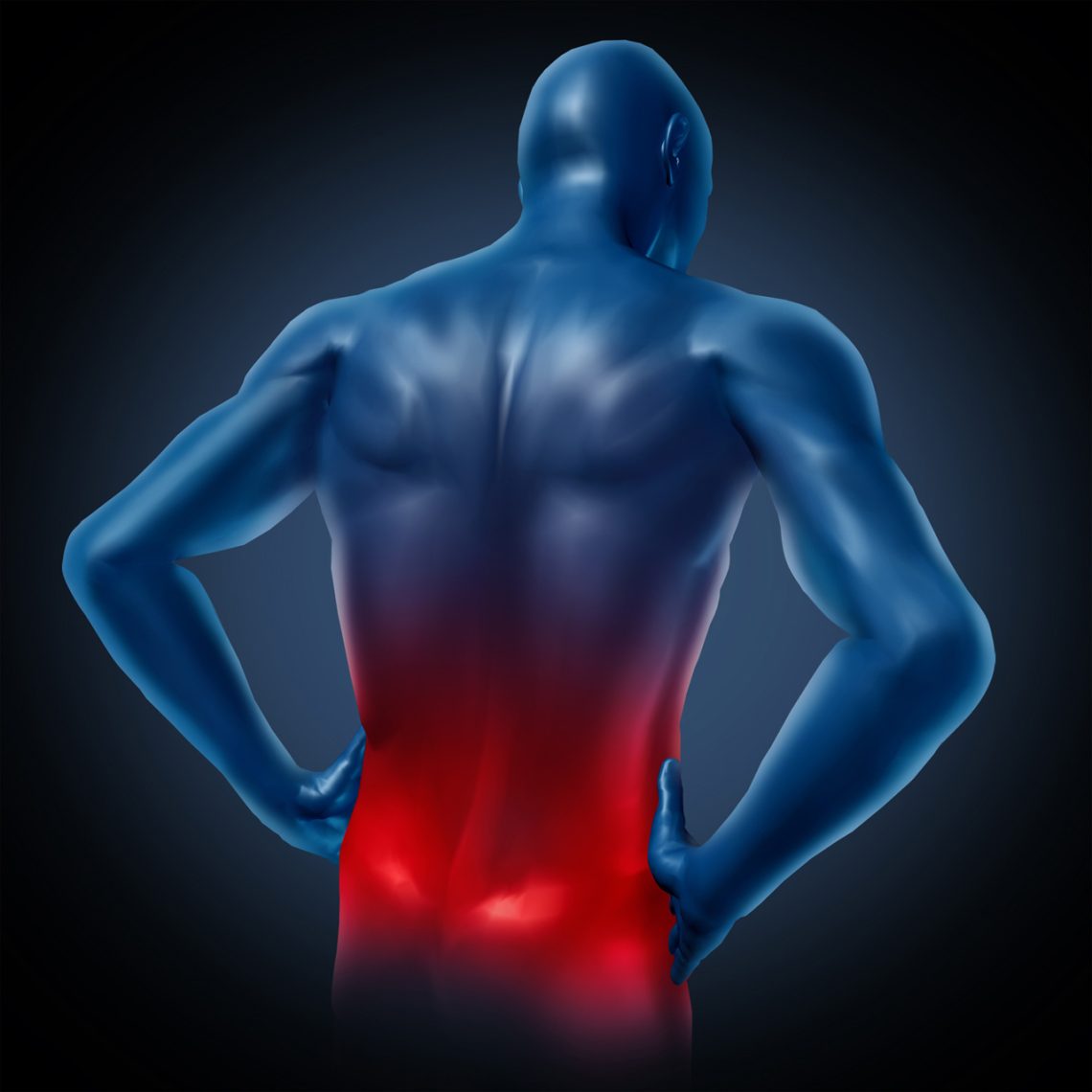
Acute low back pain is one of the most common reasons adults seek urgent medical care. It often appears suddenly after lifting something heavy, bending incorrectly, long sitting, or even without an obvious cause. While symptoms can be alarming, most cases improve significantly within a few days to weeks with proper self-care.
The first 72 hours after the pain begins are crucial. The right balance of movement and rest, along with simple home strategies, can accelerate recovery and reduce the likelihood of chronic pain.
This article explains what happens during acute low back pain, what you should and shouldn’t do in the early stages, and when to seek medical attention.
Understanding Acute Low Back Pain
What Happens in the First Few Days?
Acute back pain usually involves:
- Muscle strain or spasm
- Ligament sprain
- Irritated joints (facet joints)
- Disc irritation or bulge (but not necessarily a serious disc herniation)
During the first 48–72 hours, the back muscles may tighten as a protective mechanism, leading to:
- Stiffness
- Difficulty bending
- Sudden sharp pain with movement
- Difficulty standing up straight
Most cases do not indicate serious damage, and healing typically starts quickly if managed well.
Do’s and Don’ts in the First 72 Hours
DO’s
1. Keep Moving — Gently
Light movement prevents stiffness and speeds recovery. Helpful activities include:
- Short walks (5–10 minutes several times a day)
- Gentle stretching
- Slow, controlled position changes
Avoid lying in bed for long periods.
Why?
Movement increases blood flow, reduces spasms, and protects the spine from becoming overly stiff.
2. Use Cold Therapy First (0–48 Hours)
Apply an ice pack for 10–15 minutes, 2–3 times a day.
Benefits:
- Reduces inflammation
- Numbs pain
- Calms muscle spasm
3. Switch to Heat After 48 Hours
Warm compresses or a heating pad can:
- Relax tight muscles
- Increase blood circulation
- Ease stiffness
Apply heat for 15–20 minutes, 2–3 times a day.
4. Use Over-the-Counter Pain Relief (If Needed)
Examples:
- Ibuprofen (anti-inflammatory)
- Paracetamol
These help maintain mobility. Always follow dosing instructions and avoid NSAIDs if you have stomach/kidney issues unless approved by a doctor.
5. Maintain Good Posture
Whether sitting, standing, or lying down:
- Keep your back neutral
- Avoid slouching
- Use a small pillow for lumbar support
6. Sleep in a Supportive Position
Best options:
- On your back with a pillow under your knees
- On your side with a pillow between your legs
Avoid sleeping on your stomach.
7. Perform Gentle Stretches
Examples:
- Hamstring stretch
- Knee-to-chest stretch
- Cat-cow movement
Do not force any stretch that increases pain.
DON’Ts
1. Do NOT Stay in Bed All Day
Prolonged rest:
- Slows healing
- Weakens muscles
- Increases stiffness
- Can worsen pain
1–2 hours of rest is okay, but not all day.
2. Avoid Heavy Lifting and Twisting
Do NOT:
- Lift heavy objects
- Bend and twist simultaneously
- Carry uneven loads (like heavy bags on one shoulder)
These movements aggravate muscle strain.
3. Don’t Push Through Sharp Pain
Mild discomfort is normal, but sharp, shooting, or worsening pain is a warning sign. Stop the activity immediately.
4. Avoid Sitting for Long Periods
Sitting increases pressure on the spine.
Avoid:
- Long car rides
- Slouching on sofas
- Working at a computer for hours nonstop
Take breaks every 20–30 minutes to stand or walk.
5. Don’t Use Heat Too Early
Applying heat in the first 24–48 hours may increase inflammation and swelling.
Movement vs. Rest: Which Is Better?
Movement Is Usually Better
Research shows early movement leads to:
- Faster recovery
- Reduced pain
- Better long-term outcomes
Movement helps prevent stiffness and recondition the back muscles.
Rest Has a Role — But Limited
Short rest periods (15–30 minutes) can help when:
- Spasms peak
- Pain becomes too sharp
- You feel over-fatigued
But prolonged rest (>1 day) delays recovery.
Safe Movements to Try in the First 72 Hours
1. Short Frequent Walks
Even 3–5 minutes every few hours helps mobility.
2. Pelvic Tilts
Lying on your back, gently flatten your lower back into the floor and relax.
3. Cat-Cow Stretch
Loosens the spine and reduces stiffness.
4. Wall Slides
Helps maintain flexibility and posture.
When to Seek Medical Help (Red Flags)
Seek urgent evaluation if you experience:
- Severe pain after a fall or accident
- Inability to control bladder or bowels
- Numbness or weakness in legs
- Pain radiating down one leg (sciatica) that worsens
- Fever or unexplained weight loss
- Pain that does not improve after 72 hours
These may indicate a more serious condition, such as nerve compression, fracture, or infection.
Tips for Prevention After Recovery
- Strengthen core muscles
- Maintain a healthy weight
- Lift objects with proper technique
- Avoid prolonged sitting
- Stretch regularly
- Stay active and exercise
Conclusion
Acute low back pain can be alarming, but most cases improve quickly with the right care. In the first 72 hours, the key is to move gently, use proper cold and heat treatments, maintain good posture, and avoid activities that strain the back. Rest is helpful only in moderation—movement is the real driver of recovery. Understanding these do’s and don’ts helps prevent the pain from becoming chronic and supports faster healing.
FAQs
1. Should I rest completely when I have acute low back pain?
No. Short rest is okay, but you should avoid staying in bed. Gentle movement helps you heal faster.
2. Is walking good in the first 72 hours?
Yes—short, frequent walks reduce stiffness and speed recovery.
3. Should I use ice or heat?
Use ice for the first 24–48 hours, then gradually switch to heat.
4. Can acute back pain be a sign of something serious?
Rarely, but severe symptoms like leg weakness, fever, or bladder issues require urgent medical care.
5. How long does acute low back pain last?
Most cases improve within a few days to two weeks with proper care.