Introduction
Back injuries are among the most common workplace and household injuries, and many occur because of improper lifting. Whether you are moving furniture, carrying groceries, lifting a child, or handling heavy objects at work, your back is vulnerable to strain when lifting incorrectly.
The lower back (lumbar spine) plays a major role in stabilizing your body and supporting the weight you lift. When you use poor technique—such as bending at the waist or twisting while lifting—you place excessive stress on spinal discs, muscles, and ligaments.
By learning and practicing safe lifting habits, you can protect your spine, prevent injuries, and improve overall body mechanics. This article explains proper lifting techniques, common mistakes, safety tips, and when to avoid lifting altogether.
Why Proper Lifting Matters
1. Prevents Acute and Chronic Injuries
Incorrect lifting can cause:
- Muscle strains
- Ligament sprains
- Herniated discs
- Sciatica
- Chronic lower back pain
Good technique protects spine alignment and reduces stress on the lower back.
2. Builds Long-Term Strength and Stability
Using proper form engages the legs and core—not just the back—leading to better strength distribution.
3. Improves Efficiency
Lifting safely helps you move objects more efficiently with less fatigue.
Understanding the Back’s Role During Lifting
The back works with:
- Leg muscles (quads, hamstrings)
- Core muscles (abdominals, obliques)
- Hip muscles (glutes)
Proper lifting protects:
- Spinal discs
- Lumbar joints (facet joints)
- Lower back muscles
When bending incorrectly, the spine experiences increased pressure, making injury more likely.
Proper Lifting Techniques: Step-by-Step Guide
1. Assess the Load First
Before lifting:
- Check the object’s weight
- Evaluate size and shape
- Ensure you have a firm grip
- Plan the lifting path (no obstacles)
If the item is too heavy or bulky, ask for help.
2. Stand Close to the Object
Your feet should be:
- Shoulder-width apart
- One foot slightly in front to maintain balance
Standing too far away increases back strain.
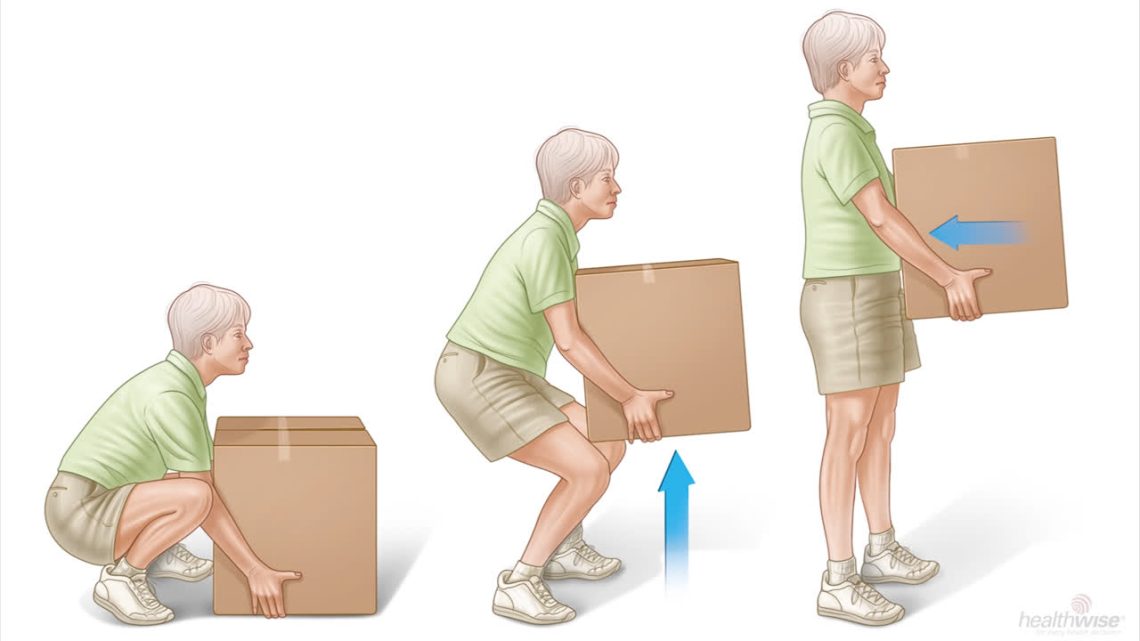
3. Bend at Your Hips and Knees — Not Your Waist
This is the golden rule.
How to do it:
- Keep your back straight
- Push hips back
- Bend your knees
- Lower your body like you’re sitting into a squat
Your spine should stay neutral—not rounded.
4. Engage Your Core Muscles
Tighten your abdominal muscles before lifting.
Benefits:
- Stabilizes your spine
- Absorbs shock
- Reduces strain on back muscles
5. Lift With Your Legs
Leg muscles are much stronger than back muscles.
To lift:
- Drive upward through your heels
- Extend your knees and hips
- Keep your back straight throughout
Avoid jerky or fast movements.
6. Hold the Object Close to Your Body
The closer the object is to your center of gravity:
- The lighter it feels
- The less pressure on your back
- The better your balance
Holding items away from your body increases spinal load significantly.
7. Avoid Twisting Your Spine While Lifting
Twisting is one of the biggest causes of back injuries.
Instead:
- Pivot with your feet
- Turn your whole body, not just your torso
8. Move Slowly and Smoothly
Sudden movements increase the risk of muscle strain.
Use controlled motions:
- Lift gradually
- Lower gradually
- Keep shoulders and hips aligned
9. Set the Object Down by Bending Your Knees
Lowering an item can strain your back as much as lifting it.
Safe lowering:
- Keep a straight back
- Bend hips and knees
- Maintain grip until the object is steady
Common Lifting Mistakes to Avoid
1. Bending at the Waist
This dramatically increases pressure on your lower back.
2. Rounding the Back
This can lead to disc bulges or herniation.
3. Twisting While Lifting
Always pivot your feet instead.
4. Holding the Load Too Far Away
Creates leverage and strains the spine.
5. Lifting Too Quickly
Fast or jerky movements increase injury risk.
6. Carrying More Than You Can Handle
Always assess your capacity and ask for help when needed.
Additional Safety Tips for Back Protection
1. Warm Up Before Heavy Lifting
5–10 minutes of gentle movements such as:
- Marching in place
- Hip circles
- Gentle stretching
Warm muscles work more efficiently and safely.
2. Wear Proper Footwear
Avoid lifting while wearing:
- Slippers
- High heels
- Slick-soled shoes
Choose shoes with grip and support.
3. Use Lifting Aids When Possible
Examples:
- Trolleys
- Dollies
- Lifting straps
- Back braces
These reduce strain on your back.
4. Strengthen Your Core Regularly
Strong abdominal and hip muscles support the lower back.
Exercises include:
- Planks
- Bridges
- Bird-dog
- Side planks
5. Quit or Reduce Smoking
Nicotine reduces blood flow to spinal tissues and slows healing.
When You Should NOT Lift
Avoid lifting altogether if you have:
- Acute severe lower back pain
- Recent back injury
- Radiating leg pain or numbness
- Recent spine surgery
- Severe arthritis or osteoporosis
- Medical restrictions from a doctor
Conclusion
Proper lifting techniques are essential for preventing back injuries at home, work, or during exercise. By using your legs, engaging the core, keeping the object close to your body, and avoiding twisting, you significantly reduce the risk of acute and chronic back problems.
Making these techniques a habit not only protects your back but also improves your overall movement efficiency and body mechanics. With consistent practice and awareness, lifting becomes safer, easier, and more effective.
FAQs
1. What is the safest way to lift heavy objects?
Bend at your knees and hips, keep your back straight, and lift with your legs—not your back.
2. Why should I avoid twisting while lifting?
Twisting puts uneven pressure on spinal discs, increasing the risk of injury.
3. How do I know if an object is too heavy to lift alone?
If you cannot move it without straining, losing balance, or holding your breath, it’s too heavy—ask for help.
4. Is wearing a back brace helpful?
Yes, for some people. A brace offers support but should be used along with proper technique—not as a substitute.
5. Can proper lifting techniques prevent chronic back pain?
Absolutely. Correct habits reduce strain on spinal structures and protect you from repetitive stress injuries.