Introduction
Back pain is a common complaint that can range from a minor nuisance to a debilitating condition. One of the simplest and most widely used methods for managing pain at home is thermotherapy (heat) or cryotherapy (ice). While both approaches provide relief, understanding when to use heat versus ice can significantly enhance recovery and comfort.
This article explores the mechanisms, benefits, and practical guidelines for using heat and ice for back pain relief.
Understanding Back Pain Types
1. Acute Back Pain
- Sudden onset, often after injury or strain
- May involve muscle spasm, inflammation, or ligament strain
- Typically lasts less than six weeks
2. Chronic Back Pain
- Persists for 12 weeks or longer
- May be caused by degenerative changes, disc issues, or postural problems
- Often involves stiffness, muscle tightness, and reduced mobility
The type of back pain often determines whether heat or ice is more effective.
How Ice Therapy Works
Mechanism
- Reduces inflammation by constricting blood vessels
- Numbs nerve endings, temporarily reducing pain
- Decreases swelling in acute injuries
When to Use Ice
- First 24–48 hours after an injury or flare-up
- Acute muscle strain, sprain, or trauma
- Swelling or inflammation present
How to Apply Ice
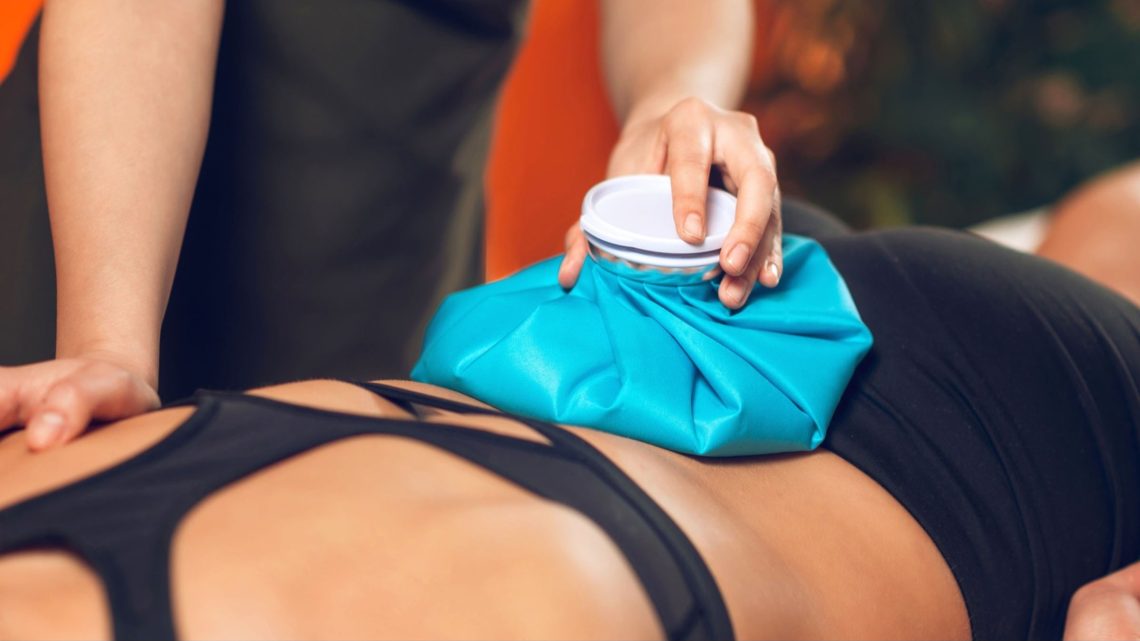
- Use an ice pack, frozen gel pack, or bag of frozen peas
- Wrap in a cloth to prevent skin damage
- Apply for 15–20 minutes at a time, up to 3 times a day
Caution: Avoid direct skin contact with ice to prevent frostbite.
How Heat Therapy Works
Mechanism
- Relaxes tight muscles and reduces stiffness
- Increases blood flow, promoting tissue healing
- Enhances flexibility and comfort
When to Use Heat
- Chronic back pain with stiffness
- Muscle tightness or spasm
- Pain without swelling
- After the initial 48 hours of an acute injury
How to Apply Heat
- Use heating pads, warm towels, or hot water bottles
- Apply for 15–20 minutes, up to 3 times a day
- Ensure heat is comfortable, not too hot, to avoid burns
Heat vs. Ice: Key Differences
| Feature | Ice | Heat |
| Best for | Acute injuries, swelling, inflammation | Chronic stiffness, muscle tightness |
| Effect | Numbs pain, reduces swelling | Relaxes muscles, increases blood flow |
| Timing | First 24–48 hours | After swelling decreases or for chronic pain |
| Duration | 15–20 minutes | 15–20 minutes |
| Examples | Ice packs, frozen peas | Heating pad, warm towel, warm bath |
Combining Heat and Ice
Sometimes alternating heat and ice can be effective:
- Ice for acute inflammation or flare-ups
- Heat for muscle relaxation later in the day
- Useful for muscle strains with delayed stiffness
Tip: Always monitor skin response to avoid burns or frostbite.
Other Tips for Back Pain Relief
- Maintain gentle movement to prevent stiffness
- Use proper posture while sitting and standing
- Consider physical therapy or exercises for long-term management
- Consult a healthcare provider if pain is severe or persistent
Conclusion
Both heat and ice therapy are simple, effective tools for managing back pain. Ice is best for acute injuries and inflammation, while heat works well for chronic stiffness and muscle tension. Choosing the right therapy at the right time can accelerate recovery, reduce discomfort, and improve mobility. For long-term relief, combining heat or ice with exercise, posture correction, and professional care offers the most effective results.
FAQs
1. Can I use heat and ice at the same time?
Yes, but alternate them carefully. Ice first for acute swelling, then heat later for muscle relaxation.
2. How often should I apply ice or heat?
Apply for 15–20 minutes at a time, up to 3 times per day.
3. Is heat safe for acute injuries?
Heat should generally be avoided in the first 24–48 hours after injury because it may worsen inflammation.
4. Can ice therapy prevent chronic back pain?
Ice is mainly for acute injuries and flare-ups. Chronic back pain requires additional strategies like exercise and posture correction.
5. What should I do if my skin reacts to ice or heat?
Stop immediately. Use a cloth barrier and ensure the temperature is safe to avoid burns or frostbite.