Introduction
Nausea is an uncomfortable sensation that can precede vomiting and is often caused by infections, motion sickness, pregnancy, migraines, or certain medications. While persistent nausea may require medical attention, mild to moderate nausea can often be managed at home using simple remedies.
This article explores effective home strategies, including ginger, peppermint, acupressure, and dietary modifications, to help reduce nausea and improve comfort.
Ginger for Nausea Relief
Why Ginger Works
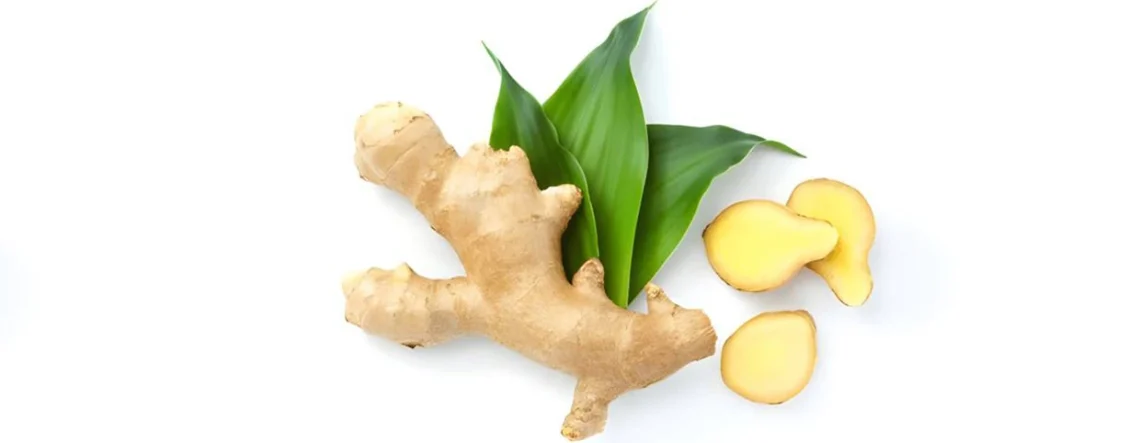
Ginger contains active compounds like gingerol and shogaol that have anti-inflammatory and antiemetic properties, helping calm the stomach and reduce nausea.
How to Use Ginger
- Ginger Tea: Steep fresh ginger slices in hot water for 5–10 minutes
- Ginger Candies or Chews: Useful for mild nausea
- Ginger Supplements: Capsules or extracts, as directed by a healthcare provider
Evidence
- Effective for pregnancy-related nausea
- Can reduce motion sickness and post-surgery nausea
Peppermint for Nausea Relief
Why Peppermint Helps
Peppermint contains menthol, which can relax gastrointestinal muscles and promote a calming effect on the stomach.
How to Use Peppermint
- Peppermint Tea: Steep peppermint leaves in hot water
- Peppermint Oil Aromatherapy: Inhale diluted peppermint oil
- Peppermint Candy or Gum: Sucking on peppermint can ease mild nausea
Cautions
- Avoid peppermint if you have acid reflux (GERD), as it can worsen symptoms
Acupressure and Pressure Points
How Acupressure Works
Applying pressure to specific points on the body can stimulate nerves and reduce nausea signals to the brain.
Common Acupressure Techniques
- P6 (Neiguan) Point: Located three finger-widths below the wrist on the inner forearm, between the two tendons
- Apply firm pressure with your thumb for 2–3 minutes, repeat as needed
- Wristbands: Acupressure wristbands for motion sickness work on the same principle
Evidence
- Helpful for motion sickness, pregnancy nausea, and post-operative nausea
- Safe and non-invasive
Bland Diet for Nausea
Why a Bland Diet Helps
A bland diet avoids irritating, greasy, or spicy foods that can trigger nausea. It is gentle on the stomach and promotes digestion.
Recommended Foods
- Plain rice, toast, or crackers
- Bananas, applesauce, and boiled potatoes
- Clear broths and soups
- Plain oatmeal or cereals
Tips
- Eat small, frequent meals rather than large meals
- Stay hydrated with water, clear soups, or oral rehydration solutions
- Avoid strong odors and foods that trigger nausea
Additional Home Tips for Nausea Relief
- Fresh Air: Step outside or open windows to reduce dizziness
- Hydration: Sip water, ginger tea, or electrolyte solutions
- Rest and Relaxation: Lie down in a calm, quiet environment
- Avoid Sudden Movements: Move slowly, especially after eating
- Cool Compress: Applying a cool cloth to the forehead or back of the neck
When to Seek Medical Attention
Consult a healthcare provider if nausea or vomiting is accompanied by:
- Severe dehydration
- Blood in vomit
- Persistent vomiting for more than 48 hours
- Abdominal pain, high fever, or neurological symptoms
- Pregnancy-related hyperemesis gravidarum
Conclusion
Home remedies such as ginger, peppermint, acupressure, and a bland diet can be effective in reducing mild to moderate nausea. Consistent use of these strategies, along with hydration and rest, often improves comfort and prevents complications. However, persistent, severe, or unexplained nausea should be evaluated by a healthcare professional.
FAQs
1. How much ginger is safe to use for nausea?
Fresh ginger or ginger tea is generally safe in small amounts (1–2 grams per day). Consult a doctor if you are pregnant or taking medications.
2. Can peppermint be used during pregnancy?
Peppermint tea may be safe in moderation, but peppermint oil should be avoided internally during pregnancy.
3. How long should acupressure be applied for nausea relief?
Apply firm pressure to the P6 point for 2–3 minutes, repeat as needed throughout the day.
4. Can I combine these remedies?
Yes, combining gentle dietary adjustments, ginger, peppermint, and acupressure is safe and may improve results.
5. When should I see a doctor for nausea?
Seek medical care if nausea or vomiting is persistent, severe, or accompanied by dehydration, blood, fever, or neurological symptoms.