
Introduction
Fever is one of the most common symptoms prompting people to seek medical attention. It occurs when the body temperature rises above its normal range, usually as a response to infection, inflammation, or other triggers. Fever is not a disease itself but a signal that the body is fighting something.
Understanding the underlying causes of fever, including common misconceptions like teething, helps in effective management and timely medical care.
1. Infections
The most frequent cause of fever is infection. These can be:
A. Viral Infections
- Examples: Influenza, common cold, respiratory syncytial virus (RSV), COVID-19
- Fever is usually moderate (100.4–102°F / 38–38.9°C)
- Often accompanied by cough, runny nose, body aches, fatigue
B. Bacterial Infections
- Examples: Pneumonia, urinary tract infections (UTI), strep throat, meningitis
- Fever may be higher (≥102–104°F / 38.9–40°C)
- Often associated with localized symptoms such as pain, redness, or swelling
C. Other Infections
- Fungal or parasitic infections, though less common, can also trigger fever
- Often seen in immunocompromised individuals
2. Inflammatory Conditions
Fever can arise from non-infectious inflammatory processes, including:
- Autoimmune disorders: Juvenile idiopathic arthritis, lupus, inflammatory bowel disease
- Tissue injury or trauma: Post-surgery or after severe burns
- Chronic inflammatory conditions: Rheumatoid arthritis, vasculitis
Characteristics: Fever may be persistent or intermittent, often accompanied by joint pain, swelling, or other systemic symptoms.
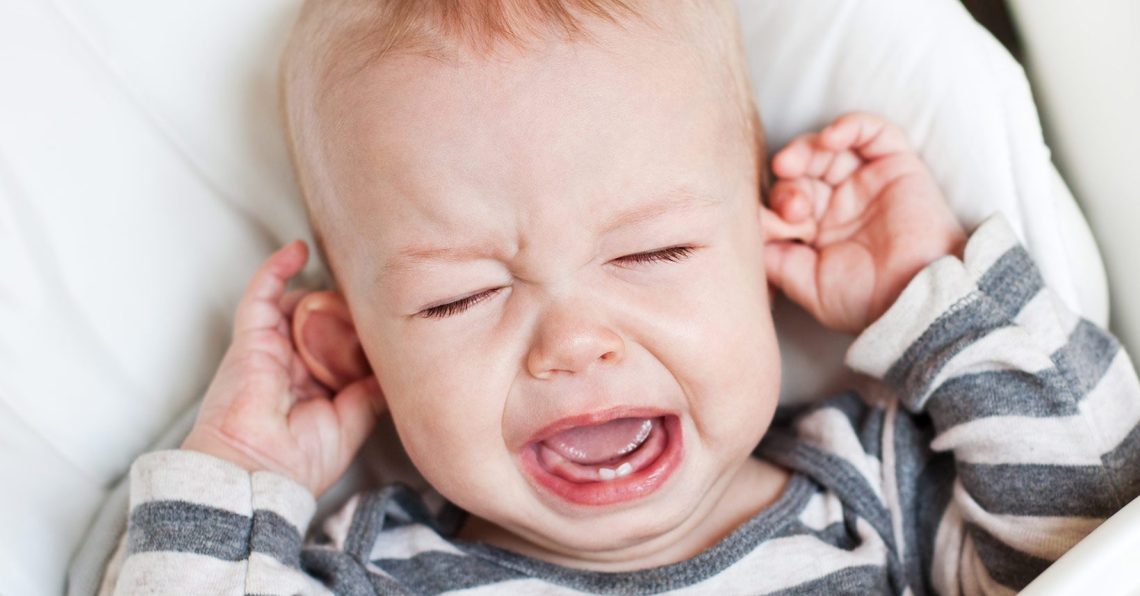
3. Teething: Myth vs. Reality
- Common belief: Teething causes high fever in infants
- Evidence: Research shows teething may cause slight temperature elevation, but significant fever (>100.4°F / 38°C) is uncommon
- Symptoms of teething: Gum swelling, drooling, irritability, mild discomfort
- If a baby develops high fever or other signs of illness, it is usually due to infection, not teething
Important: Parents should not assume all fevers during teething are harmless; medical evaluation is essential for high or persistent fevers.
Other Causes of Fever
- Medications: Some drugs can induce drug fever
- Heat-related illness: Heat exhaustion or heatstroke
- Malignancies: Certain cancers may present with unexplained fever
- Hormonal or metabolic conditions: Thyroid disorders, adrenal insufficiency
Red Flags Requiring Medical Attention
- Fever in infants <3 months
- High fever ≥104°F (40°C) in older children or adults
- Fever accompanied by difficulty breathing, seizures, rash, confusion, or persistent vomiting
- Fever lasting more than 3–5 days without improvement
Note: Fever itself is usually a symptom; identifying the underlying cause is key to proper treatment.
Conclusion
Fever is most commonly caused by infections, but inflammatory conditions and other underlying health issues can also be responsible. While teething is often blamed for fever in infants, it rarely causes significant temperature rise. Recognizing the potential causes, monitoring for red flags, and seeking timely medical evaluation ensures safe and effective management of fever.
FAQs
1. Can teething cause high fever in infants?
No. Teething may cause mild temperature elevation, but high fever (>100.4°F / 38°C) is usually due to infection.
2. How can I tell if fever is from infection or inflammation?
Infections often come with localized symptoms like cough, sore throat, or pain, whereas inflammation may include joint swelling or chronic symptoms.
3. Are all fevers dangerous?
Not always. Mild to moderate fever in healthy children and adults can be part of the body’s natural immune response.
4. When should I seek medical care for a fever?
- Infants under 3 months
- Fever ≥104°F / 40°C
- Accompanied by serious symptoms like difficulty breathing, confusion, or persistent vomiting
5. Can medications cause fever?
Yes, some drugs can trigger drug-induced fever, which usually resolves after discontinuing the medication under medical guidance.