Introduction
Fever is a natural immune response and often a sign of a mild illness, such as a viral infection. However, in certain situations, fever can be a warning sign of a serious, potentially life-threatening condition. Rapid recognition of these “red flag” fevers—especially those caused by meningitis or sepsis—can save lives.
This article explains how to identify dangerous fever, the associated symptoms, and when to seek urgent medical care.
Serious Causes of Fever
1. Meningitis
- Definition: Infection and inflammation of the protective membranes covering the brain and spinal cord (meninges)
- Causes: Bacterial, viral, or fungal infections
- Signs and Symptoms:
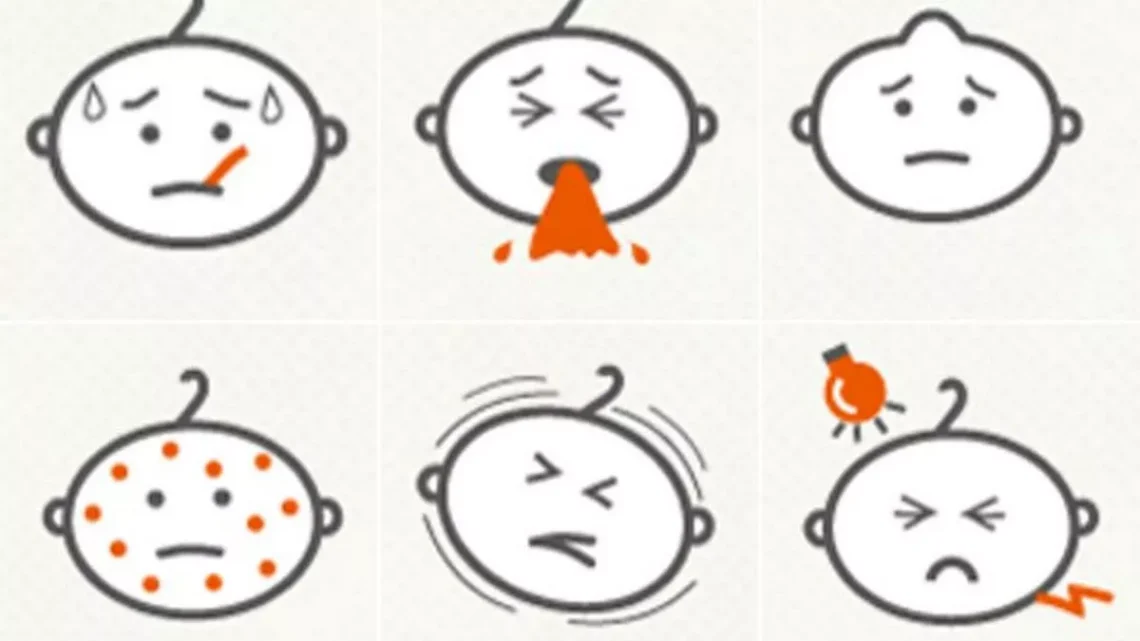
- High fever
- Severe headache
- Stiff neck
- Sensitivity to light (photophobia)
- Nausea and vomiting
- Confusion or drowsiness
- In infants: bulging soft spot on the head, poor feeding, irritability
- Urgency: Bacterial meningitis is a medical emergency; early treatment with antibiotics is critical.
2. Sepsis
- Definition: A life-threatening response to infection that can lead to tissue damage, organ failure, and death
- Causes: Bacterial, viral, or fungal infections, often originating in lungs, urinary tract, or abdomen
- Signs and Symptoms:
- Fever or hypothermia (very low temperature)
- Rapid heart rate
- Rapid breathing
- Confusion or disorientation
- Low blood pressure
- Decreased urine output
- Skin changes (pale, clammy, or mottled)
Urgency: Sepsis requires immediate medical attention and hospitalization, often in an intensive care setting.
Other Red Flag Situations
- Infants under 3 months: Any fever may indicate serious infection
- Immunocompromised patients: Cancer, HIV, transplant recipients
- Persistent high fever (>104°F / 40°C)
- Fever with neurological symptoms: Seizures, severe lethargy, confusion
- Fever after surgery or invasive procedures
Immediate Actions for Serious Fever
- Seek emergency care immediately
- Monitor vital signs: temperature, heart rate, breathing, blood pressure if possible
- Do not delay evaluation for antibiotics or hospital treatment
- Keep the patient comfortable while awaiting medical attention
- Avoid self-medicating with fever reducers alone; these may mask critical symptoms
Prevention and Early Detection
- Vaccinations: Hib, meningococcal, pneumococcal vaccines reduce risk of serious infections
- Hand hygiene and infection control: Reduce spread of pathogens
- Prompt attention to minor infections: Early treatment can prevent progression to sepsis or meningitis
- Awareness of warning signs: Parents, caregivers, and adults should recognize symptoms like confusion, breathing difficulty, and high fever as emergencies
Conclusion
While most fevers are caused by mild infections, certain signs indicate a serious underlying condition, such as meningitis or sepsis. Rapid recognition of these warning signs, immediate medical evaluation, and timely treatment are critical for preventing life-threatening complications. Always treat fever in vulnerable populations or when associated with severe symptoms as a potential emergency.
FAQs
1. What fever indicates possible meningitis?
High fever with severe headache, stiff neck, nausea, and confusion. In infants, look for irritability and a bulging soft spot.
2. Can sepsis occur without high fever?
Yes, some patients may present with low body temperature instead of fever, especially the elderly or immunocompromised.
3. How fast should I seek medical care for suspected meningitis or sepsis?
Immediately. Both conditions are medical emergencies requiring hospital evaluation.
4. Are there vaccines to prevent serious infections causing fever?
Yes. Vaccines against Hib, meningococcal, pneumococcal, and certain flu strains can reduce risk.
5. Can taking fever reducers at home mask serious illness?
Yes, medications may lower temperature temporarily but do not treat the underlying infection, so red flag symptoms should still prompt urgent care.