
Introduction
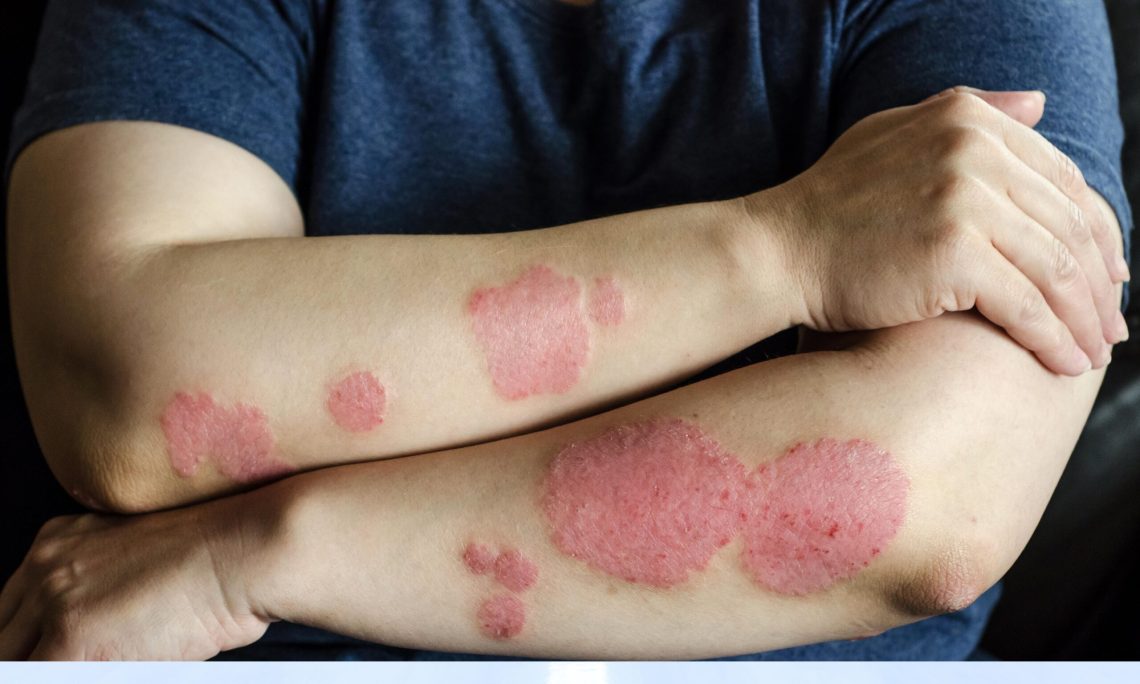
Contact dermatitis is a common skin condition that occurs when the skin reacts to direct contact with irritants or allergens. It often causes redness, itching, and blisters, and while generally not life-threatening, it can significantly impact daily comfort and quality of life.
Understanding common triggers such as poison ivy, nickel, and fragrances helps prevent flare-ups and manage symptoms effectively.
What is Contact Dermatitis?
Contact dermatitis is divided into two main types:
1. Irritant Contact Dermatitis
- Caused by direct damage to the skin by chemicals or physical irritants
- Examples: Detergents, solvents, harsh soaps, cleaning products
- Symptoms: Red, dry, and cracked skin; may sting or burn
2. Allergic Contact Dermatitis
- Caused by an immune reaction to a specific allergen
- Examples: Poison ivy, nickel, fragrances, latex
- Symptoms: Red, itchy rash with possible blisters or swelling, usually localized to the area of contact
Common Triggers
1. Poison Ivy, Oak, or Sumac
- Contains urushiol oil, which triggers an allergic reaction
- Rash usually appears 12–48 hours after exposure
- Symptoms: Red, itchy, blistering streaks along the area of contact
- Prevention: Wear protective clothing, wash exposed skin immediately, avoid touching rash
2. Nickel
- Found in jewelry, belt buckles, zippers, and eyeglass frames
- Allergic reaction may develop over time with repeated exposure
- Symptoms: Red, itchy patches, sometimes with small blisters
- Prevention: Use nickel-free items or protective coatings
3. Fragrances and Cosmetics
- Present in soaps, lotions, perfumes, shampoos, and cleaning products
- May cause delayed allergic reactions
- Symptoms: Red, itchy rash, sometimes dry or scaly skin
- Prevention: Use fragrance-free or hypoallergenic products
Identifying Your Triggers
- Keep a diary: Note products, clothing, or plants contacted before rash appears
- Patch testing: Performed by a dermatologist to identify specific allergens
- Observe pattern and location: Allergic rashes often appear where contact occurred
- Avoid trial-and-error irritation: Use gentle, unscented products while identifying triggers
Treatment and Management
- Immediate Actions
- Wash the affected area with mild soap and lukewarm water
- Remove contaminated clothing or jewelry
- Topical Treatments
- Corticosteroid creams for inflammation
- Calamine lotion or anti-itch creams for symptom relief
- Oral Medications
- Antihistamines to reduce itching and allergic response
- Short courses of oral corticosteroids for severe reactions
- Preventive Measures
- Avoid known irritants or allergens
- Wear protective gloves or clothing
- Use fragrance-free, hypoallergenic personal care products
When to Seek Medical Care
- Rash covers a large area or is spreading rapidly
- Severe blistering, oozing, or pain
- Signs of infection: pus, warmth, redness, or fever
- Rash persists despite over-the-counter treatments
Conclusion
Contact dermatitis is a common but manageable skin condition. Recognizing triggers such as poison ivy, nickel, and fragrances and practicing preventive measures can greatly reduce flare-ups. With proper identification, avoidance, and treatment, most cases resolve without complications, though persistent or severe reactions require medical attention.
FAQs
1. How can I tell if a rash is contact dermatitis?
Look for red, itchy, and sometimes blistered skin at the site of contact with a suspected irritant or allergen.
2. Can nickel in jewelry cause dermatitis immediately?
Reactions usually develop gradually after repeated exposure, not instantly.
3. Is poison ivy rash contagious?
The rash itself is not contagious, but urushiol oil on skin or clothing can spread the reaction if not washed off.
4. Can contact dermatitis affect children?
Yes. Children are sensitive to soaps, fragrances, metals, and plants, so preventive care is important.
5. How long does contact dermatitis last?
Mild cases resolve in 1–2 weeks with proper care, while severe cases may take longer and require medical treatment.