
Introduction
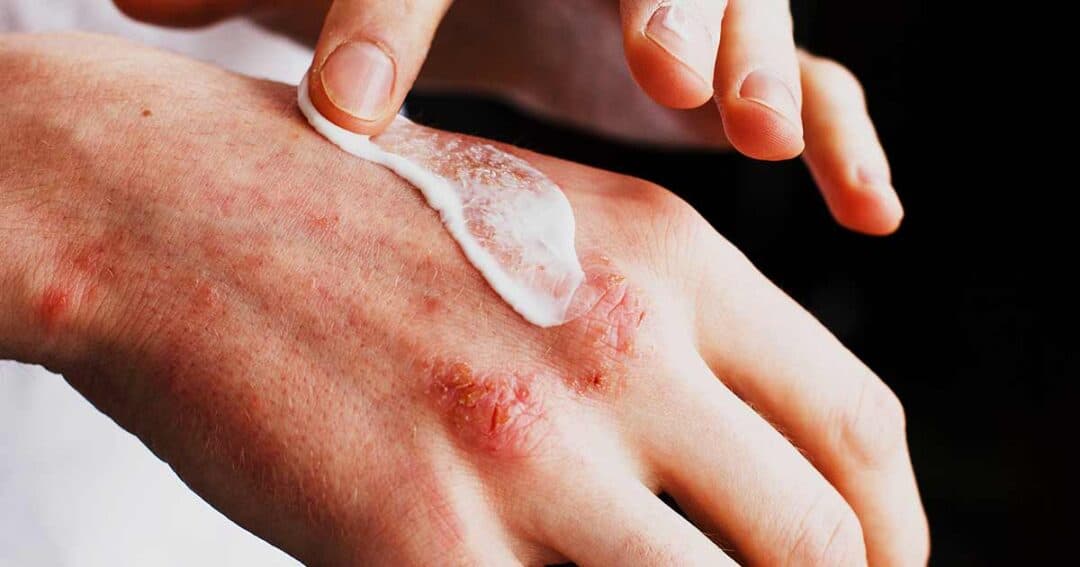
Eczema, or atopic dermatitis, is a chronic, relapsing inflammatory skin condition that affects both children and adults. It manifests as dry, itchy, red, and sometimes oozing patches. Beyond physical discomfort, eczema can also impact sleep, mental health, and daily activities, particularly in severe cases.
While there is no permanent cure, an effective management plan can help:
- Minimize flare-ups
- Control itching and inflammation
- Improve skin barrier function
- Reduce risk of infections
Management revolves around three pillars: moisturizing and skin care, trigger identification and avoidance, and pharmacologic treatment.
1. Moisturizing and Skin Care
Moisturizing is the foundation of eczema management. The skin of eczema patients has a weakened barrier, leading to increased water loss and vulnerability to irritants.
Best Practices for Moisturizing
- Apply moisturizer at least twice daily, and immediately after bathing to lock in moisture.
- Use ointment or cream formulations rather than lotions, as they are more occlusive and hydrating.
- Choose fragrance-free, hypoallergenic products to reduce irritation.
- Avoid hot water baths; use lukewarm water and limit bath time to 5–10 minutes.
- Gently pat the skin dry with a soft towel instead of rubbing.
Adjunctive Skin Care Tips
- Avoid harsh soaps and detergents; use mild cleansers.
- Use non-irritating laundry detergents and rinse clothes thoroughly.
- Maintain short nails to reduce damage from scratching.
- Humidifiers in dry environments can prevent skin from drying out.
2. Identifying and Avoiding Triggers
Many external and internal factors can worsen eczema. Identifying triggers is critical to prevent flare-ups.
Common Environmental Triggers
- Dust mites, pollen, mold, and pet dander
- Extreme temperatures: dry, cold air or heat and sweat
Irritants
- Harsh soaps, detergents, cleaning products
- Fragrances, dyes, or certain fabrics (wool, synthetic fibers)
Food Allergens
- Milk, eggs, peanuts, soy, wheat (more common in children)
Other Triggers
- Stress and anxiety
- Hormonal changes
- Infections (e.g., skin infections can trigger flares)
Strategies for Trigger Avoidance
- Keep a symptom diary noting flare-ups and potential triggers.
- Use fragrance-free, hypoallergenic personal care products.
- Wear cotton or breathable clothing; avoid scratchy fabrics.
- Reduce exposure to known allergens (e.g., dust-proof bedding covers).
- Manage stress with relaxation techniques like meditation or yoga.
3. Medications and Therapies
Medications are generally used to control inflammation, reduce itching, and prevent infection.
Topical Treatments
- Corticosteroid creams/ointments: Reduce redness and inflammation during flare-ups. Use lowest effective potency for sensitive areas (face, neck).
- Calcineurin inhibitors (tacrolimus, pimecrolimus): Non-steroidal options for long-term use or delicate areas.
- Barrier repair creams: Contain ceramides or lipids to strengthen the skin barrier.
Systemic Treatments (For Severe or Resistant Cases)
- Oral corticosteroids: Short-term use only, under supervision
- Immunosuppressants (cyclosporine, methotrexate): For severe or chronic eczema not responding to topical therapy
- Biologics (dupilumab): Target immune pathways in moderate-to-severe eczema
Supportive Treatments
- Antihistamines: Help reduce itch, especially at night
- Wet-wrap therapy: Improves hydration and reduces inflammation during severe flares
- Phototherapy: Controlled UV light exposure for chronic cases
4. Lifestyle and Preventive Measures
- Maintain consistent skincare routines, even when the skin is clear
- Avoid scratching; use cold compresses or distraction techniques for children
- Monitor for secondary infections: Redness, pus, or crusting may require antibiotics
- Educate family and caregivers about proper skin care, trigger avoidance, and early recognition of flares
5. When to Seek Medical Care
- Severe, persistent, or spreading rash
- Signs of infection: yellow crusts, pus, pain, swelling, or fever
- Ineffective response to topical treatments
- Involvement of sensitive areas: face, genitals, or large body surface
Conclusion
Eczema is a chronic, relapsing condition, but with a structured approach, most patients can manage symptoms effectively. The key is consistent moisturization, careful trigger identification, and appropriate use of medications. Lifestyle modifications, education, and early intervention for flare-ups reduce discomfort, prevent complications, and improve quality of life.
FAQs
1. How often should eczema-prone skin be moisturized?
At least 2–3 times daily, and immediately after bathing.
2. Can diet affect eczema flare-ups?
Yes. Common triggers include milk, eggs, nuts, and soy, particularly in children. Keeping a food diary helps identify sensitivities.
3. Are steroid creams safe for long-term use?
When used as directed, topical corticosteroids are safe, but overuse may cause skin thinning or other side effects.
4. Can eczema be cured?
No, but symptoms can be controlled with consistent care and management strategies.
5. What are some ways to prevent flare-ups?
Moisturize regularly, avoid triggers, wear soft fabrics, manage stress, and promptly treat flare-ups early.