Introduction
Viral rashes are a common reason for pediatric visits. They are usually caused by viral infections and often come with fever, irritability, and other systemic symptoms. While most viral rashes are mild and self-limiting, recognizing the type of rash helps in managing symptoms, preventing complications, and reducing spread.
Three of the most frequent viral rashes in children include:
- Chickenpox (Varicella)
- Roseola (Exanthem Subitum)
- Hand-Foot-and-Mouth Disease (HFMD)
1. Chickenpox (Varicella)
- Cause: Varicella-zoster virus
- Transmission: Highly contagious via respiratory droplets or direct contact with lesions
- Symptoms:
- Fever, fatigue, irritability
- Red, itchy vesicular rash that progresses from macules → papules → vesicles → crusts
- Lesions often appear in waves, starting on the trunk and spreading to the face and limbs
- Complications (rare): Secondary bacterial infections, pneumonia, encephalitis
- Management:
- Symptomatic relief: antihistamines for itching, acetaminophen for fever
- Keep nails short to reduce scratching and infection
- Isolation until all lesions crust over
- Prevention: Varicella vaccine is highly effective
2. Roseola (Exanthem Subitum)
- Cause: Human herpesvirus 6 or 7 (HHV-6/HHV-7)
- Typical Age: 6 months to 2 years
- Symptoms:
- Sudden high fever (often >39°C /102°F) lasting 3–5 days
- Fever resolves abruptly, followed by a pink, non-itchy rash starting on the trunk and spreading to neck and limbs
- Child usually appears well once the rash appears
- Management:
- Supportive care: hydration, fever management with acetaminophen
- Rash usually resolves within 1–2 days without treatment
- Complications: Rare; sometimes febrile seizures during high fever
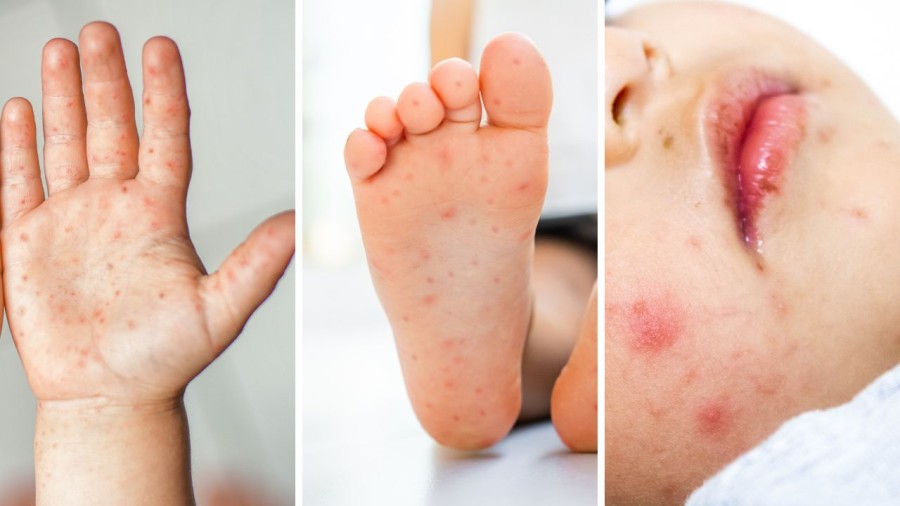
3. Hand-Foot-and-Mouth Disease (HFMD)
- Cause: Coxsackievirus A16, Enterovirus 71
- Transmission: Direct contact with saliva, nasal secretions, blister fluid, or stool
- Symptoms:
- Fever, malaise, irritability
- Painful ulcers in the mouth (tongue, cheeks, gums)
- Red spots or small blisters on hands, feet, sometimes buttocks
- Management:
- Supportive care: hydration, pain relief (acetaminophen or ibuprofen)
- Mouth rinses or topical anesthetics for oral pain
- Good hand hygiene to prevent spread
- Complications: Rare; dehydration if oral ulcers prevent eating/drinking
General Management of Viral Rashes in Children
- Fever and Discomfort Relief:
- Acetaminophen or ibuprofen as per pediatric dosing
- Itch Relief:
- Calamine lotion or oral antihistamines for itchy rashes (e.g., chickenpox)
- Hydration and Nutrition:
- Encourage fluids and soft foods if oral lesions are present
- Infection Control:
- Keep child at home to prevent spreading infection
- Maintain good hand hygiene
When to Seek Medical Attention
- High or persistent fever (>40°C /104°F)
- Signs of dehydration (dry mouth, no urine for >8 hours, lethargy)
- Difficulty breathing, severe lethargy, or confusion
- Rash with purple spots, severe swelling, or blistering beyond typical pattern
- Painful or worsening lesions
Prevention Tips
- Ensure vaccinations are up to date (e.g., varicella)
- Encourage hand hygiene and respiratory etiquette
- Disinfect toys, surfaces, and shared items during outbreaks
- Keep infected children at home until recovery to prevent spreading
Conclusion
Viral rashes like chickenpox, roseola, and hand-foot-and-mouth disease are common in children and usually self-limiting. Early recognition, symptom relief, and preventive measures are key to reducing discomfort, preventing complications, and controlling the spread. Parents should monitor for warning signs and consult a pediatrician when needed.
FAQs
1. Are viral rashes in children contagious?
Yes, viral rashes such as chickenpox and HFMD are highly contagious, especially in the early stages.
2. How long does a chickenpox rash last?
Typically 5–10 days, with lesions crusting over by the end.
3. Can roseola cause seizures?
High fever in roseola can sometimes trigger febrile seizures, but these are usually brief and benign.
4. How can I prevent HFMD in my child?
Good hand hygiene, avoiding close contact with infected children, and disinfecting surfaces help prevent spread.
5. Do all viral rashes require medication? Most viral rashes are self-limiting, and treatment is primarily supportive, including fever and itch relief, hydration, and rest.