Introduction
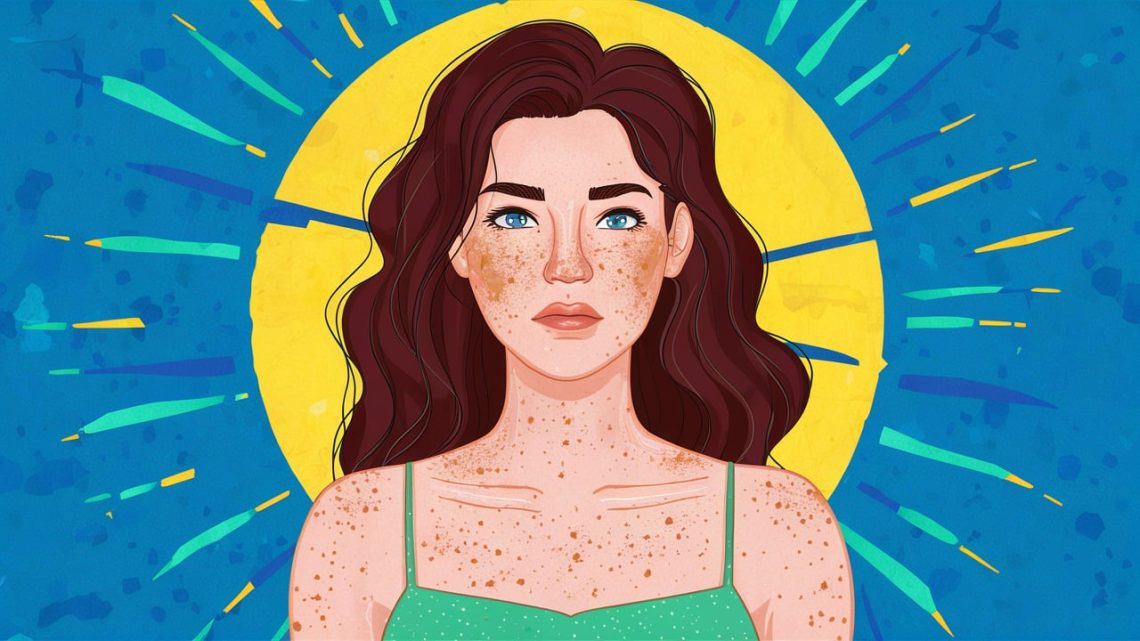
Sun allergy, medically called Polymorphic Light Eruption (PLE), is a common skin reaction to sun exposure, particularly in fair-skinned individuals. Unlike a simple sunburn, PLE is an immune-mediated response that causes itchy, red, or blistering rashes on sun-exposed areas.
Though not life-threatening, it can cause significant discomfort and cosmetic concerns. Understanding triggers, symptoms, and preventive measures is key to managing PLE.
Causes of Polymorphic Light Eruption
- Immune reaction to UV radiation: UV-A and UV-B rays trigger abnormal skin responses
- Genetic predisposition: Family history increases risk
- Environmental factors: Spring or early summer exposure, when skin is not yet acclimated to sun
- Medications: Certain antibiotics, diuretics, or NSAIDs can make skin more photosensitive
Symptoms
- Red, itchy patches or bumps on sun-exposed areas (face, neck, arms, hands)
- Small blisters or raised lesions in some cases
- Rash usually appears within hours to a day of sun exposure
- Mild swelling or burning sensation may occur
- Typically resolves in a few days once sun exposure is reduced
Tip: PLE rarely affects non-exposed areas like the torso or legs (unless accidentally exposed).
Diagnosis
- Clinical examination: Based on appearance, distribution, and timing after sun exposure
- Medical history: Previous episodes, family history, and medication review
- Phototesting: Rarely, dermatologists expose small skin areas to UV light to confirm diagnosis
- Rule out other conditions: Lupus, drug reactions, or other photosensitive rashes
Treatment and Management
1. Sun Protection
- Broad-spectrum sunscreen (SPF 30–50+) applied 15–30 minutes before sun exposure
- Protective clothing: long sleeves, wide-brimmed hats
- Avoid peak sun hours: 10 AM – 4 PM
- Shade and umbrellas when outdoors
2. Topical Treatments
- Hydrocortisone cream (1%): Reduces inflammation and itching
- Calamine lotion: Provides soothing relief for mild rashes
- Moisturizers: Keep skin hydrated and reduce irritation
3. Oral Medications
- Antihistamines: Reduce itching and allergic response (e.g., cetirizine, loratadine)
- Severe cases: Short courses of oral corticosteroids may be prescribed by a doctor
4. Gradual Sun Exposure
- Gradual, controlled exposure in early spring may help “harden” the skin and reduce reactions over time
Prevention Tips
- Apply sunscreen daily in sunny months, even on cloudy days
- Wear UV-protective clothing and sunglasses
- Avoid photosensitizing medications if possible, or discuss alternatives with your doctor
- Keep a diary of sun exposure and rashes to identify triggers
When to See a Doctor
- Rash is severe, widespread, or blistering
- Recurring rashes despite sun protection
- Associated pain, swelling, fever, or systemic symptoms
- Uncertain diagnosis; especially if lupus or other autoimmune conditions are suspected
Conclusion
Polymorphic Light Eruption is a common sun-induced rash that causes redness, itching, and discomfort on sun-exposed areas. With proper sun protection, topical treatments, and preventive measures, most children and adults can manage symptoms effectively. Persistent or severe cases require dermatology consultation for diagnosis and advanced treatment.
FAQs
1. Is sun allergy the same as sunburn?
No. PLE is an immune reaction, while sunburn is direct skin damage from UV rays.
2. Can sun allergy occur year-round?
Most common in spring and early summer, when skin is not acclimated to sunlight.
3. How long does a PLE rash last?
Usually 3–7 days, depending on severity and sun exposure.
4. Can sunscreen prevent all sun rashes?
Sunscreen helps reduce risk, but severe PLE may still occur; combine with clothing and shade.
5. Can children get sun allergy?
Yes, children can develop PLE, especially fair-skinned individuals with a family history.