
Introduction
Falling asleep quickly is a challenge for many people. Stress, anxiety, overthinking, and irregular sleep schedules can delay sleep onset, reducing both sleep quality and duration. The 4-7-8 breathing technique, developed by Dr. Andrew Weil, is a simple, natural, and evidence-informed method rooted in pranayama, a traditional yogic breathing practice.
This technique works by regulating breath, slowing the heart rate, and activating the parasympathetic nervous system, which promotes relaxation and readiness for sleep. Unlike medications, it is non-invasive, safe, and can be practiced anywhere.
Why It Works
The 4-7-8 technique uses a specific breathing ratio that impacts the autonomic nervous system:
- Inhale for 4 seconds – oxygenates the blood and prepares the lungs
- Hold for 7 seconds – allows oxygen exchange and mental focus
- Exhale for 8 seconds – slows the heart rate and activates the relaxation (parasympathetic) response
The longer exhalation compared to inhalation triggers vagal nerve stimulation, which reduces stress hormones like cortisol, lowers blood pressure, and induces calmness, making it easier to fall asleep.
Step-by-Step Guide to the 4-7-8 Technique
1. Find a Comfortable Position
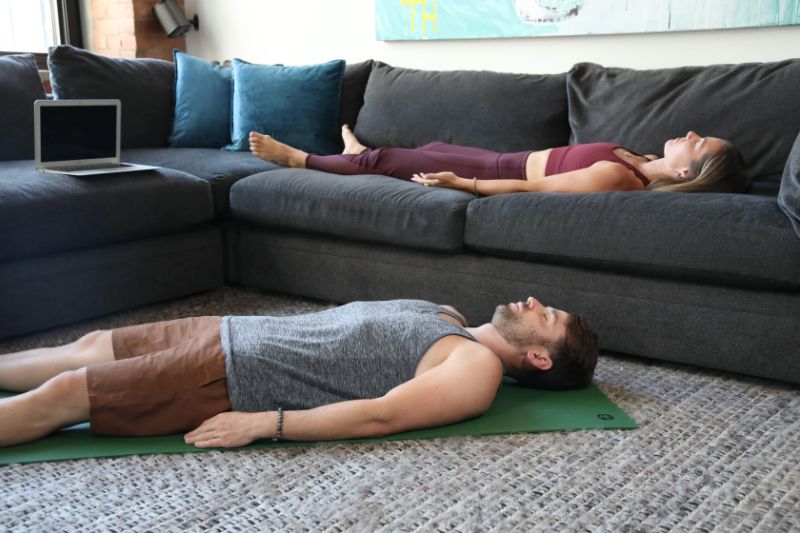
- Sit upright in a comfortable chair with back straight or lie down on your bed.
- Relax your shoulders, neck, and jaw.
2. Position Your Tongue
- Place the tip of your tongue against the ridge behind your upper front teeth.
- Keep it there throughout the breathing exercise.
3. Inhale for 4 Seconds
- Inhale slowly and deeply through your nose for a count of 4.
- Feel your lungs expand fully without straining.
4. Hold Your Breath for 7 Seconds
- Retain the breath comfortably for 7 counts.
- Focus on mental stillness, avoiding tension in the chest or shoulders.
5. Exhale for 8 Seconds
- Exhale completely through your mouth, producing a soft whooshing sound.
- Ensure the exhalation is longer than the inhalation.
6. Repeat the Cycle
- Begin with 4 cycles per session.
- Gradually increase to 8 cycles as you become comfortable.
- Practice twice daily, once in the evening before sleep and once during the day to build a habit.
Additional Tips for Optimal Practice
Consistency
- Daily practice strengthens the parasympathetic response and improves results.
Environment
- Dim lights, silence devices, and create a calm, quiet space to maximize effectiveness.
Integration with Sleep Hygiene
- Combine with:
- Avoiding caffeine and electronics before bedtime
- Maintaining a regular sleep schedule
- Engaging in light stretching or meditation
Patience
- Initial sessions may cause slight dizziness or restlessness.
- These sensations usually fade within a few sessions.
- Noticeable improvement in sleep onset often appears after 1–2 weeks of consistent practice.
Benefits of the 4-7-8 Technique
- Faster Sleep Onset: Quieting the mind and body reduces time to fall asleep.
- Reduced Anxiety and Stress: Slows heart rate and lowers cortisol.
- Supports Mental Focus: Enhances mindfulness and present-moment awareness.
- Improved Cardiovascular Health: Parasympathetic activation can reduce blood pressure over time.
- Drug-Free Solution: Safe alternative to sleep medications for mild insomnia.
Precautions
- Generally safe for healthy adults and children.
- People with lung, heart, or respiratory disorders should consult a doctor before holding their breath.
- Avoid practicing immediately after heavy meals or strenuous exercise, which may cause discomfort.
Scientific Evidence
While research on the 4-7-8 technique specifically is limited, controlled breathing practices have been shown to:
- Reduce heart rate and blood pressure
- Decrease sympathetic nervous system activity
- Improve sleep quality and subjective relaxation
It is considered a low-risk, high-benefit intervention suitable for most people.
When to Seek Professional Help
- Chronic insomnia lasting more than 3 months
- Sleep problems accompanied by daytime fatigue, irritability, or mood changes
- Presence of sleep apnea, restless leg syndrome, or other sleep disorders
- Persistent anxiety or stress interfering with daily functioning
Conclusion
The 4-7-8 breathing technique is a simple, effective tool for faster sleep onset, stress reduction, and improved relaxation. With consistent practice and integration into a healthy bedtime routine, it can enhance sleep quality naturally, without medications or side effects.
FAQs
1. How many cycles should I start with?
Begin with 4 cycles and gradually increase to 8 as you become comfortable.
2. How soon will I notice results?
Some feel relaxed immediately, but consistent practice for 1–2 weeks usually shows improvement in sleep onset.
3. Can I practice it during the day?
Yes. It is effective for reducing daytime stress and anxiety.
4. Is it safe for children?
Generally safe for older children under supervision. Young children may benefit from simpler deep-breathing exercises.
5. Can it replace other sleep hygiene practices?
It is most effective when combined with good sleep habits, such as avoiding screens before bedtime and maintaining a consistent sleep schedule.