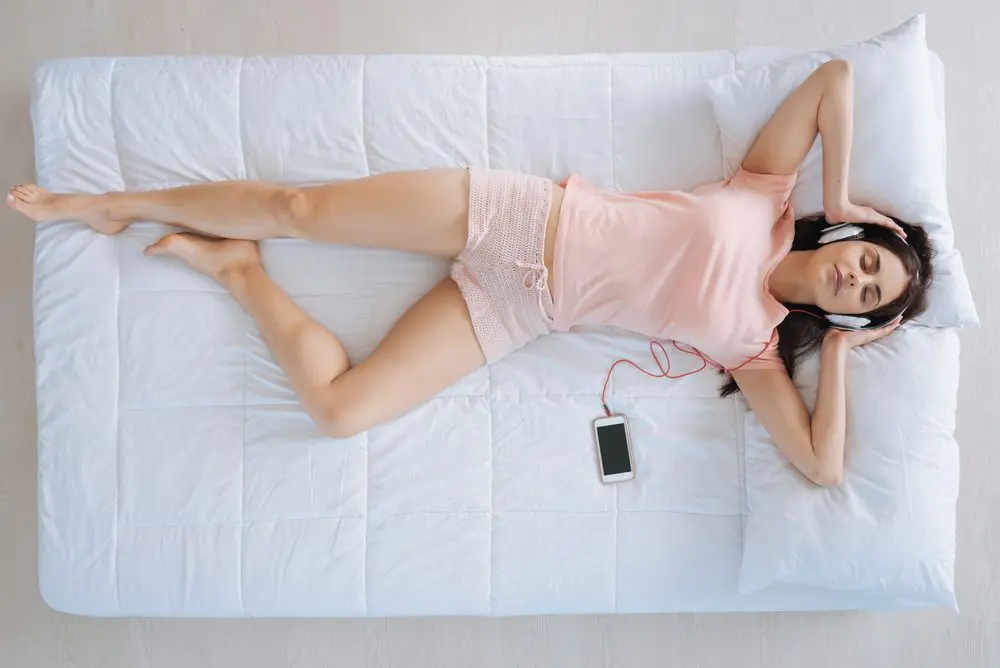
Introduction
Difficulty falling asleep is often linked to stress, anxiety, and physical tension. Progressive Muscle Relaxation (PMR) is a proven relaxation technique that helps release muscle tension, calm the nervous system, and promote faster sleep onset.
Developed by Dr. Edmund Jacobson in the 1920s, PMR involves systematically tensing and relaxing different muscle groups, allowing the body and mind to enter a deep state of relaxation.
How Progressive Muscle Relaxation Works
- Awareness of tension: Focusing on each muscle group helps identify areas of tightness you may not notice
- Release of tension: Alternating between tension and relaxation enhances muscle relaxation and blood flow
- Parasympathetic activation: PMR reduces stress hormone levels, lowers heart rate, and prepares the body for sleep
Step-by-Step Guide to Progressive Muscle Relaxation for Sleep
1. Prepare Your Environment
- Lie down in a comfortable bed or on a yoga mat
- Dim the lights and reduce noise
- Wear loose, comfortable clothing
2. Focus on Your Breathing
- Take slow, deep breaths, inhaling through the nose and exhaling through the mouth
- Use 3–5 minutes to calm your mind and settle into your body
3. Begin Muscle Group Relaxation
Follow a head-to-toe sequence, tensing each muscle group for 5–10 seconds and then releasing for 20–30 seconds.
Face and Head
- Forehead: Raise eyebrows as high as possible, then release
- Eyes: Squeeze eyes tightly, then relax
- Jaw: Clench teeth lightly, then let jaw go slack
- Neck: Press head gently into the pillow or tilt slightly, then relax
Shoulders and Arms
- Shoulders: Shrug shoulders toward ears, then drop
- Upper arms: Tighten biceps, then release
- Forearms and hands: Make fists, hold, then relax fingers
Torso
- Chest: Take a deep breath and hold, then exhale and release
- Abdomen: Tighten stomach muscles, then relax
Lower Body
- Thighs: Tighten quadriceps, then relax
- Calves: Point toes upward to tighten, then release
- Feet: Curl toes, hold briefly, then release
4. Full-Body Awareness
- After completing all muscle groups, take several slow breaths, noticing the overall sensation of relaxation
- Focus on the lightness and calm in your body
5. Optional Visualization
- Visualize a calm, peaceful scene (beach, forest, or floating on clouds) to enhance relaxation and sleep readiness
Tips for Maximum Effectiveness
- Practice daily, preferably 30–60 minutes before bedtime
- Avoid tensing muscles too hard—gentle tension is sufficient
- Combine with deep breathing or the 4-7-8 technique for deeper relaxation
- Use PMR whenever feeling stressed, anxious, or restless at night
Benefits of Progressive Muscle Relaxation
- Faster sleep onset by reducing physical tension
- Improved sleep quality and duration
- Reduced stress and anxiety levels
- Lower blood pressure and heart rate
- Enhanced mind-body awareness, helping identify areas of chronic tension
Precautions
- Generally safe for most adults and children
- Avoid intense tensing if you have recent injuries, fractures, or chronic pain—modify exercises as needed
- Pregnant individuals should consult a healthcare provider if unsure about lying positions or muscle tension exercises
Conclusion
Progressive Muscle Relaxation is a simple, drug-free technique that effectively reduces tension, calms the mind, and promotes sleep. With consistent practice, it can become a core part of your bedtime routine, helping you fall asleep faster, stay asleep longer, and wake up feeling refreshed.
FAQs
1. How long does it take to feel the effects of PMR?
Many people feel relaxed immediately, but regular practice 1–2 weeks enhances sleep benefits.
2. Can PMR be done in bed?
Yes. PMR is ideal for bedtime practice and can be done lying down comfortably.
3. Can children practice PMR?
Yes, older children and teenagers can benefit, especially if guided by a parent or audio instructions.
4. How often should I practice PMR?
Daily practice is recommended, particularly as part of a bedtime routine.
5. Can PMR replace other sleep techniques?
PMR works best combined with good sleep hygiene, such as limiting screens, maintaining consistent sleep schedules, and a calm bedroom environment