
Introduction
Many people struggle with falling asleep due to environmental noise, stress, or an overactive mind. White noise and nature sounds have become popular tools to mask disruptive sounds, calm the mind, and promote relaxation, helping the body transition into sleep more easily.
Whether it’s the steady hum of a fan or the gentle rustle of rain, these sounds can create an environment that signals safety, calm, and rest, ultimately improving sleep quality.
1. What is White Noise?
- White noise is a consistent sound that contains all frequencies at equal intensity
- Examples: Fan hum, air purifier, static noise, sound machines
- Works by masking sudden noises that might otherwise wake you
- Provides a steady auditory environment, promoting relaxation and sleep
2. What are Nature Sounds?
- Sounds naturally occurring in the environment that evoke calmness
- Examples: Rainfall, ocean waves, river streams, wind in trees, birdsong
- May have additional relaxation benefits through mental imagery and mindfulness
- Helps the brain associate natural patterns with safety and rest
3. Benefits of Using White Noise or Nature Sounds
- Reduces nighttime awakenings caused by external noises
- Promotes faster sleep onset by masking background disruptions
- Improves sleep consistency, especially for light sleepers
- Calms the nervous system, lowering heart rate and stress hormones
- Supports concentration and relaxation if used for meditation or pre-sleep routines
4. How to Use White Noise or Nature Sounds Effectively
A. Choosing the Right Sound
- White noise: steady, non-distracting hum or static
- Nature sounds: gentle, rhythmic, and soothing (avoid abrupt sounds like thunderclaps)
B. Optimal Volume
- Set volume low to moderate, just enough to mask disruptive noises
- Should not be loud enough to startle or become the focus of attention
C. Timing
- Start playing 30–60 minutes before bedtime or when lying in bed
- Can continue throughout the night if it doesn’t disturb sleep
D. Devices
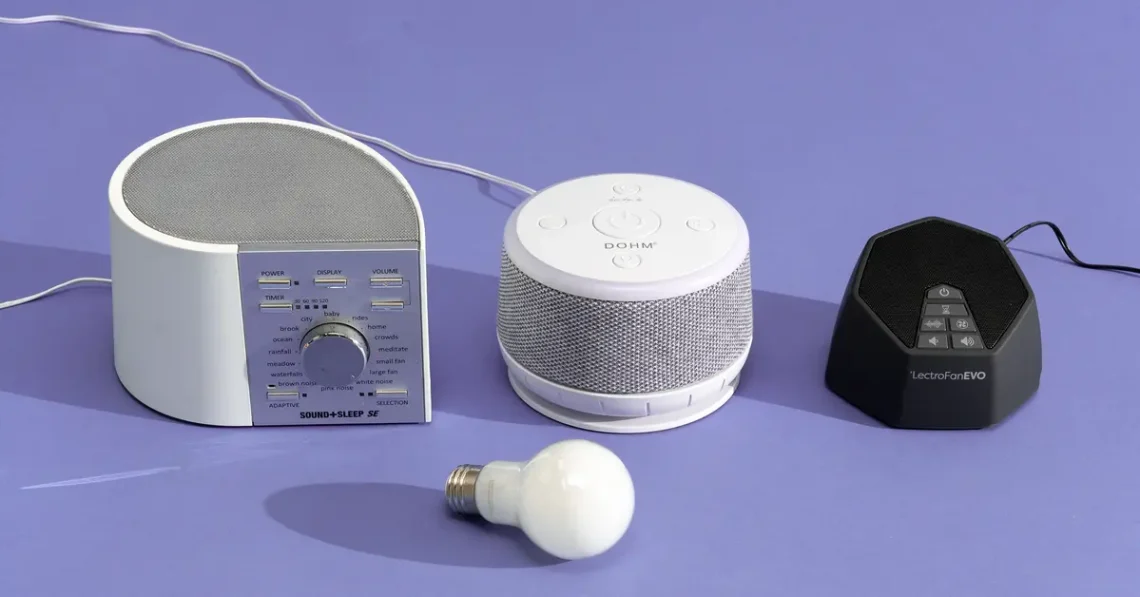
- Sound machines with white noise or nature sound options
- Smartphone apps with customizable sounds and timers
- Fans, humidifiers, or air purifiers as low-cost alternatives
E. Integration with Sleep Routine
- Combine with Power Down Hour, journaling, or breathing exercises
- Keep bedroom dark, cool, and comfortable to maximize effect
5. Precautions and Considerations
- Avoid sounds that are jarring, unpredictable, or too loud, as they may disrupt sleep
- Individuals with hearing issues or tinnitus may need personalized sound levels
- For babies, ensure white noise is gentle and not too close to the crib
- Avoid dependency on sounds for sleep without practicing healthy sleep hygiene
Conclusion
White noise and nature sounds are simple, non-pharmacological tools that help mask disruptive noises, calm the mind, and promote relaxation. By choosing the right sounds, adjusting volume, and integrating them into a consistent bedtime routine, individuals can fall asleep faster, stay asleep longer, and enjoy more restorative sleep.
FAQs
1. Can white noise help with babies’ sleep?
Yes. Gentle white noise can soothe babies and mask household noises, but keep volume moderate and at a safe distance.
2. Should I play sounds all night?
Continuous play is fine if it doesn’t disrupt sleep. Otherwise, set a timer to turn off after falling asleep.
3. Are nature sounds better than white noise?
Both are effective. Nature sounds may offer additional relaxation benefits through mental imagery and calming rhythms.
4. Can I use my phone for white noise?
Yes, smartphone apps can provide customizable sounds and timers, but avoid blue light exposure while using the phone.
5. Will I become dependent on these sounds?
Generally safe, but it’s best to combine with good sleep hygiene to avoid reliance for falling asleep.