Introduction
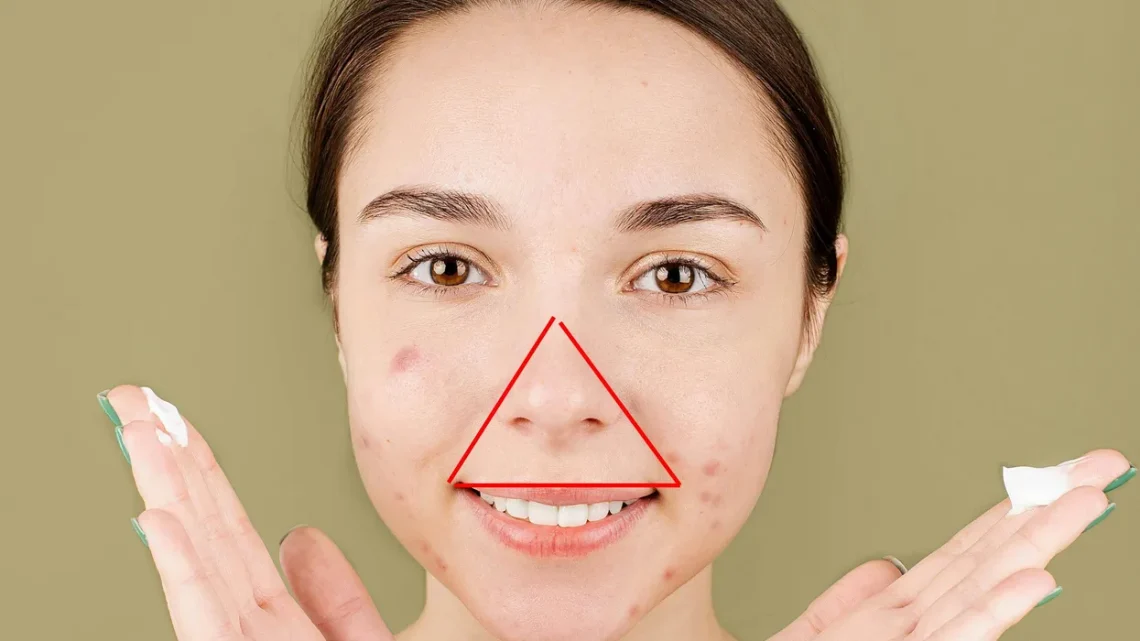
Many people are tempted to pop pimples when they appear, hoping for instant relief. While it can be tempting, popping acne often worsens inflammation, increases the risk of infection, and can lead to scarring. Understanding why dermatologists advise against it and how to safely manage pimples is essential for maintaining healthy skin.
1. Why You Should Avoid Popping Pimples
A. Risk of Infection
- Popping pimples introduces bacteria from your hands into the lesion
- Can result in more redness, swelling, and pus
B. Inflammation and Scarring
- Squeezing damages surrounding skin and tissue
- Increases the risk of permanent scars or dark spots
C. Delayed Healing
- Interferes with the skin’s natural repair process
- Pimples may take longer to resolve
D. Acne Spread
- Pus and bacteria can spread to nearby pores, causing new breakouts
2. When It Might Be Safe to Pop
- Only attempt if the pimple is a fully-formed whitehead with a visible pus tip
- Avoid popping cystic, nodular, or deep pimples, which are prone to scarring
3. How to Pop a Pimple Safely (If You Must)
Step 1: Wash Your Hands
- Clean hands thoroughly with soap and warm water
- Reduce risk of introducing bacteria
Step 2: Clean the Area
- Use a gentle cleanser or antiseptic wipe on the pimple and surrounding skin
Step 3: Sterilize a Tool (Optional)
- Use a comedone extractor if available, sterilized with rubbing alcohol
- Avoid fingernails or unclean tools
Step 4: Gentle Pressure
- Apply gentle, even pressure around the pimple
- Do not dig or squeeze aggressively
Step 5: Stop if Nothing Comes Out
- If pus or oil does not emerge easily, do not force it
- Forcing can worsen inflammation and scarring
Step 6: Clean Again
- After popping, clean the area with antiseptic or a mild cleanser
- Apply a spot treatment like benzoyl peroxide or salicylic acid to reduce infection risk
4. Alternative Methods to Manage Pimples
- Topical spot treatments: Benzoyl peroxide, salicylic acid, or sulfur
- Warm compress: Helps pimples come to a natural head without force
- Professional extraction: Dermatologists can safely remove stubborn pimples
- Consistency with skincare: Gentle cleansing, moisturizing, and avoiding harsh scrubs
5. Tips to Prevent Pimple Temptation
- Keep hands away from the face
- Apply spot treatments consistently
- Use non-comedogenic products to prevent new breakouts
- Keep nails short to reduce accidental skin trauma
Conclusion
While the temptation to pop a pimple is common, doing so improperly can worsen acne, cause infection, and lead to scarring. Only attempt extraction if the pimple is fully ready, and always follow strict hygiene and gentle technique. For safe and effective management, spot treatments, warm compresses, and professional care are preferred methods that preserve skin health and reduce the risk of permanent damage.
FAQs
1. Can popping a pimple make it go away faster?
Temporarily, yes, but improper popping often prolongs healing and increases risk of scarring.
2. Why does squeezing sometimes leave a scar?
Popping damages the skin tissue, triggering inflammation and scar formation.
3. Are there pimples I should never pop?
Cystic, nodular, or deep acne lesions should never be popped at home.
4. Can I use a needle to pop a pimple?
Only if sterilized and used gently; otherwise, it increases infection and scarring risk.
5. What should I apply after popping a pimple?
Clean the area and apply a spot treatment containing benzoyl peroxide, salicylic acid, or antiseptic.