Introduction
Pimples can appear suddenly and often at the most inconvenient times. While many over-the-counter treatments exist, some people prefer gentle, natural remedies—especially for mild, occasional breakouts. DIY skincare masks made from ingredients like honey, aloe vera, or tea tree oil have become increasingly popular due to their soothing, antibacterial, and anti-inflammatory properties.
However, natural does not always mean safe. Certain ingredients, particularly essential oils like tea tree oil, must be used with caution to avoid irritation, burns, or allergic reactions.
This article explores effective DIY pimple-reduction remedies, how to use them safely, and when to avoid them.
Why Consider DIY Pimple Remedies?
- Budget-friendly compared to store-bought products
- Gentle on the skin, especially if formulated correctly
- Contain natural antibacterial and soothing ingredients
- Customizable based on your skin’s needs
- Useful for mild breakouts or emergency spot treatments
These remedies are not cures for chronic acne, but they can help calm occasional pimples and inflammation.
Best DIY Ingredients for Reducing Pimples
1. Honey – Natural Antibacterial Power
Honey—especially raw or manuka honey—has strong antimicrobial and anti-inflammatory properties. It helps reduce swelling, calms redness, and keeps bacteria from spreading.
How to Use Honey
- Use raw, organic honey for best results
- Apply a small amount directly on the pimple
- Leave for 20–30 minutes, then rinse with warm water
- Repeat daily until the spot calms down
Honey Mask Option
Mix:
- 1 tablespoon honey
- ½ teaspoon turmeric
Apply for 10–15 minutes. Turmeric boosts antibacterial effects but may stain the skin temporarily (wash well).
2. Tea Tree Oil – Effective but Requires Caution
Tea tree oil is a potent antibacterial essential oil often used for acne. But its strength means it can also irritate or burn skin if misused.
Safe Usage Guidelines
- Never apply undiluted tea tree oil directly to skin
- Always dilute with a carrier oil (e.g., jojoba, sweet almond)
- Patch-test before using
- Avoid using daily on sensitive skin
Tea Tree Spot Treatment
Mix:
- 1 drop tea tree oil
- 3–4 drops of a carrier oil
Apply only on the pimple, not the full face. Use once every 1–2 days. If burning or redness occurs, discontinue immediately.
3. Aloe Vera – Cooling and Healing
Aloe vera is soothing, anti-inflammatory, and helps reduce redness.
How to Use
- Use fresh aloe gel from the plant or pure, fragrance-free aloe gel
- Apply a thin layer to the affected area
- Leave for 20–30 minutes
- Safe to use daily
Aloe is especially good for calming irritated skin or pimples that are swollen.
4. Green Tea – Reduces Redness and Bacteria
Green tea contains catechins, which have anti-inflammatory and antimicrobial effects.
How to Use
- Brew green tea and let it cool
- Apply with a cotton ball on pimples
- Leave on as a toner
- Alternatively, mix the cooled green tea with honey for a mask
5. Apple Cider Vinegar – Use With Extreme Caution
Apple cider vinegar (ACV) can kill acne-causing bacteria, but it is very acidic and can cause burns.
To Use Safely
- Dilute 1 part ACV with 4 parts water
- Apply as a toner with a cotton swab
- Never leave on for more than 5 minutes
- Do not use on sensitive or dry skin
If you feel burning, rinse immediately.
DIY Masks for Pimple-Prone Skin
1. Honey + Cinnamon Mask
Cinnamon has antibacterial properties but can irritate sensitive skin—patch test first.
Mix:
- 1 tablespoon honey
- ½ teaspoon cinnamon
Apply for 10–12 minutes. Rinse well.
2. Aloe Vera + Tea Tree Gel (Diluted)
A soothing gel for inflamed pimples.
Mix:
- 1 tablespoon aloe gel
- 1 drop tea tree oil
Apply on spots for 10–15 minutes. Wash off if irritation appears.
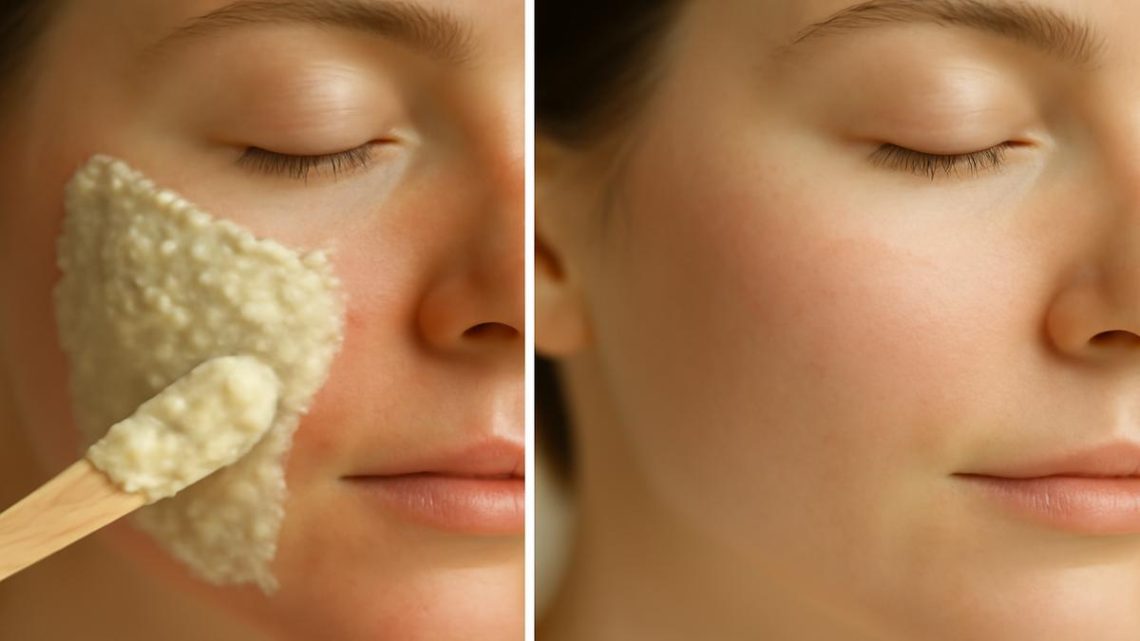
3. Oatmeal + Honey Mask
Great for calming redness.
Mix:
- 1 tablespoon ground oats
- 1 tablespoon honey
- A few drops of water to make a paste
Apply for 15–20 minutes.
4. Green Tea + Clay Mask
Clay absorbs oil while green tea reduces inflammation.
Mix:
- 1 tablespoon bentonite or kaolin clay
- Enough cooled green tea to make a paste
Apply until it begins to dry, then rinse gently.
When Not to Use DIY Treatments
Avoid DIY masks if you:
- Have severe acne, cystic acne, or nodules
- Have eczema, psoriasis, or rosacea (high irritation risk)
- Recently used retinoids, benzoyl peroxide, or exfoliating acids
- Have open wounds or popped pimples
- Know you are allergic to essential oils
In these cases, medical treatments or dermatologist-approved products are safer.
Tips for Safe DIY Skincare
- Always patch-test on the wrist or behind the ear
- Introduce one remedy at a time
- Do not mix too many active natural ingredients
- Avoid essential oils if you are pregnant unless approved by a doctor
- Discontinue if you notice burning, rash, or worsening acne
- Keep masks away from eyes
- Use clean tools and hands to prevent bacteria spread
Medical Alternatives to DIY Remedies
If DIY doesn’t help after 2–4 weeks, consider:
- Salicylic acid products
- Benzoyl peroxide
- Adapalene (over-the-counter retinoid)
- Prescription retinoids
- Antibiotic creams (prescribed)
- Chemical peels
- Light or laser therapy
A dermatologist can help choose the right option for your skin type.
Conclusion
DIY masks and natural remedies can be effective for mild, occasional pimples—especially when using soothing ingredients like honey and aloe vera. Tea tree oil and apple cider vinegar, while popular, must be used with great caution to avoid irritation or burns.
Always listen to your skin and introduce remedies slowly. If breakouts are persistent, painful, or severe, professional dermatological care is a safer and more effective choice.
FAQs
1. Can DIY masks cure acne?
No—DIY remedies help mild pimples but are not a cure for moderate or severe acne.
2. Is tea tree oil safe for the skin?
Only when diluted. Undiluted tea tree oil can burn or irritate skin.
3. Can honey help reduce pimples?
Yes, honey has antibacterial and soothing properties.
4. How often can I use DIY masks?
1–2 times per week for most skin types.
5. What should I do if my skin reacts to a DIY remedy?
Stop immediately, rinse with cool water, and apply aloe gel. Seek medical care if irritation worsens.