Introduction:
Pimples can appear at the most inconvenient times, and while occasional breakouts are normal, the good news is that many of them can be prevented with a consistent skincare routine and smart habits. Three of the most effective preventive strategies—proper cleansing, using non-comedogenic products, and hands-off behavior—are simple yet powerful approaches that work for all skin types.
This article explores why these three pillars matter, how to apply them correctly, and what mistakes to avoid for clear, healthy-looking skin.
Why Prevention Matters
Treating pimples after they appear can be frustrating, especially because many breakouts can be avoided in the first place. Acne often starts with clogged pores caused by excess oil, dead skin cells, bacteria, and irritation. By preventing these triggers, you reduce the likelihood of inflammation, redness, and scarring.
Preventive care is especially important for:
- People with oily or acne-prone skin
- Teenagers experiencing hormonal changes
- Adults facing stress-related breakouts
- Individuals wearing makeup daily
- People living in hot, humid, or polluted environments
1. Cleansing: The First Line of Defense Against Pimples
Why Cleansing Matters
Cleansing removes:
- Excess oil
- Sweat
- Dirt
- Makeup
- Pollutants
- Sunscreen buildup
Without proper cleansing, all these impurities sit on your skin, clog pores, and encourage bacteria to multiply—leading to pimples.
How to Cleanse Properly
Cleanse Twice Daily
- Morning: Removes oil and sweat that accumulated overnight.
- Night: Removes the day’s buildup—this is the MOST important cleanse.
Use Lukewarm Water
Hot water strips natural oils and triggers more oil production. Cold water won’t remove impurities effectively.
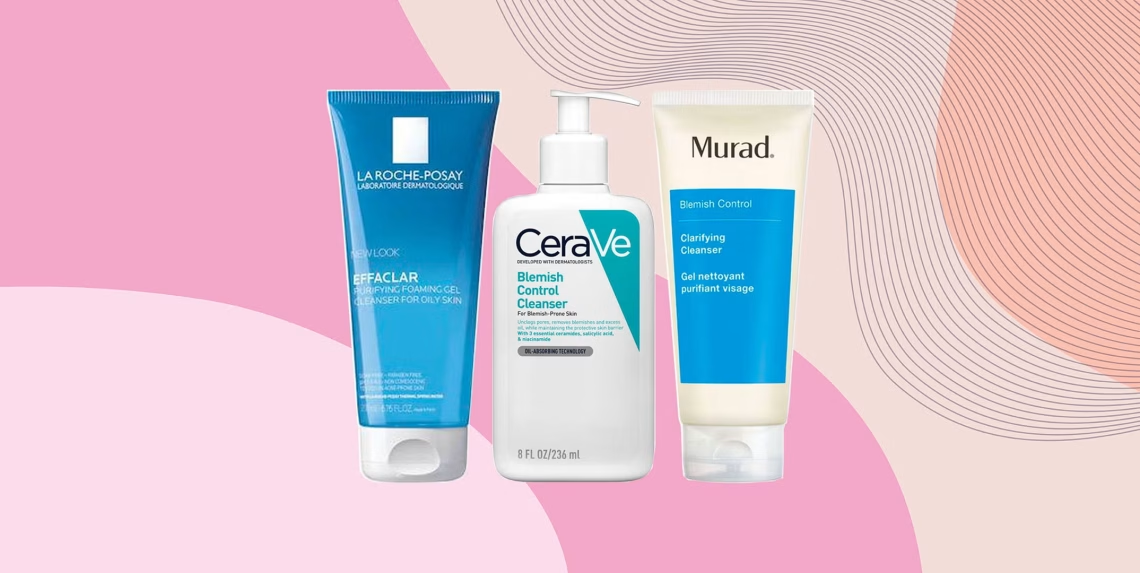
Choose the Right Cleanser for Your Skin Type
- Oily skin: Gel or foaming cleansers with salicylic acid
- Dry skin: Cream or hydrating cleansers with ceramides
- Combination skin: Gentle foaming or gel cleansers
- Sensitive skin: Fragrance-free, mild cleansers
Double Cleanse If You Wear Makeup or Waterproof Sunscreen
- First cleanse: Oil-based or micellar water
- Second cleanse: Regular face wash
Avoid Over-Cleansing
Washing more than twice a day damages the skin barrier, increases dryness, and leads to rebound oiliness or irritation.
Common Cleansing Mistakes
- Using harsh scrubs daily
- Sleeping with makeup on
- Rubbing aggressively with towels
- Using body wash or bar soap on the face
- Not washing after workouts
2. Non-Comedogenic Products: Keeping Pores Clear
What Does “Non-Comedogenic” Mean?
Non-comedogenic products are specially formulated not to clog pores. These products reduce the risk of blackheads, whiteheads, and inflammatory acne.
You should look for the terms:
- Non-comedogenic
- Non-acnegenic
- Oil-free
- Won’t clog pores
Why Non-Comedogenic Products Matter
Using heavy or pore-clogging products can trap oil and dead skin, creating the perfect environment for pimples.
Common culprits include:
- Coconut oil
- Cocoa butter
- Heavy silicone-based primers
- Thick creams meant for the body
- Hair oils that drip onto the forehead
Even makeup like foundation and concealer can cause breakouts if they are not non-comedogenic.
Where You Must Use Non-Comedogenic Products
Moisturizers
Sunscreens
Makeup (foundation, blush, concealer, highlighter)
Primers and serums
Hair products (especially around the hairline)
How to Choose Non-Comedogenic Products
- Read labels carefully—look for the non-comedogenic claim.
- Avoid heavy oils if you have oily/acne-prone skin.
- Choose water-based formulas for a lighter feel.
- Patch test new products for 2–3 days.
3. Hands Off! The Simple Habit That Prevents Breakouts
The Problem With Touching Your Face
Your hands carry:
- Dirt
- Oils
- Sweat
- Bacteria
- Environmental particles
Touching your face repeatedly transfers these impurities onto your skin and into your pores.
Why You Must Stop Picking or Popping Pimples
Pimple-popping causes:
- Increased inflammation
- Infection
- More pimples
- Scarring
- Post-inflammatory hyperpigmentation (dark marks)
Even “small pinching” can push bacteria deeper into the skin, making the pimple last longer.
Practical Ways to Keep Your Hands Off
- Keep your hands busy (pen, stress ball).
- Avoid resting your chin on your hand.
- Clean your phone screen regularly.
- Tie your hair back to prevent touching.
- Use pimple patches as a physical barrier.
- Wash your hands before touching your face for skincare.
Additional Tips for Preventing Pimples
✔ Change Pillowcases Weekly
Bacteria and oil accumulate fast.
✔ Clean Makeup Brushes Regularly
A major cause of forehead and cheek acne.
✔ Avoid Heavy, Occlusive Hair Products
Especially around the forehead.
✔ Shower After Exercise
Sweat + bacteria = breakouts.
✔ Use a Lightweight, Non-Comedogenic Sunscreen
Daily sunscreen prevents irritation and clogged pores.
✔ Maintain a Simple, Consistent Routine
Complicated routines often irritate more than they help.
Conclusion
Preventing pimples doesn’t require complicated routines—it requires consistency and awareness. By cleansing correctly, using non-comedogenic products, and keeping your hands off your face, you significantly reduce the risk of clogged pores, inflammation, and surprise breakouts.
These simple steps, combined with good hygiene and smart skincare choices, create a strong foundation for clearer, healthier skin. Prevention is always easier and more effective than treatment, especially when it comes to acne.
FAQs
1. How often should I wash my face to prevent pimples?
Twice a day—morning and night—is ideal. Over-washing can irritate the skin.
2. Are non-comedogenic products suitable for all skin types?
Yes, they benefit all skin types, especially oily or acne-prone skin.
3. Can touching your face really cause pimples?
Absolutely—hands transfer bacteria and oil that clog pores.
4. What cleanser is best for preventing pimples?
For most people, a gentle salicylic acid cleanser works well.
5. Do I need non-comedogenic sunscreen too?
Yes! Heavy or oily sunscreens are common causes of breakouts, especially on the forehead and cheeks.