Introduction
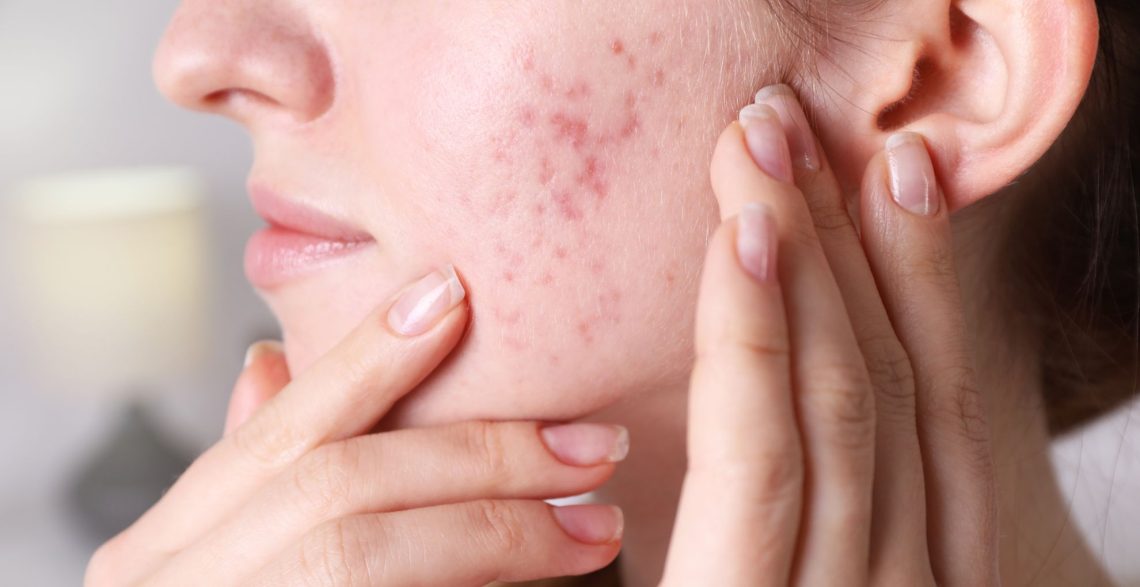
Under-the-skin pimples—also known as cystic pimples or cystic acne—are among the most painful and stubborn types of breakouts. Unlike surface pimples, they form deep within the skin, causing swelling, tenderness, and inflammation. These pimples often never develop a visible “head,” which is why they feel like hard, painful bumps under the surface.
Cystic pimples can be emotionally frustrating because they last longer, resist simple treatments, and can leave behind scars or dark marks. Understanding why they form and how to manage them safely can make a huge difference in preventing damage and speeding up healing.
Introduction: What Are Under-the-Skin Pimples?
Cystic pimples form when oil, dead skin cells, and bacteria get trapped deep inside pores. This leads to:
- Severe inflammation
- Painful swelling
- Large, tender lumps
- Longer healing time (2–6 weeks)
They differ from regular whiteheads or blackheads because they sit far below the surface and cannot be popped safely. Trying to squeeze them often pushes bacteria deeper, worsening the pimple.
Cystic pimples may occur in isolation or can be part of chronic cystic acne. They are most common on the chin, jawline, cheeks, back, and chest.
1. Why Do Under-the-Skin Pimples Form?
1. Hormonal Fluctuations
The most common cause. Increased androgens boost oil production and clog pores, leading to deep cysts.
Common times:
- Premenstrual week
- Puberty
- Stress spikes
- Pregnancy or postpartum
- Perimenopause
- PCOS
2. Excess Oil Production
Oily skin is more prone to clogged pores, especially when combined with sweat and buildup.
3. Bacteria Trapped Under the Skin
Cutibacterium acnes (C. acnes) bacteria thrive in clogged follicles and trigger inflammation.
4. Thickened Dead Skin Layer
Dead cells that don’t shed properly block pores and worsen congestion.
5. Wrong Skincare or Makeup Products
Comedogenic or heavy products can trigger deep breakouts, especially around the jawline and cheeks.
6. Genetics
If immediate family members have cystic acne, you may also be predisposed.
2. How to Recognize a Cystic Pimple
Cystic pimples often have these features:
- Large, hard lump under the skin
- Redness and swelling
- No visible whitehead
- Painful when touched
- Feels like pressure or throbbing
- Lasts much longer than regular pimples
If multiple cysts appear frequently, it may indicate cystic acne, which requires medical treatment.
3. What Not to Do with Under-the-Skin Pimples
Don’t squeeze or pop
This forces bacteria deeper, leading to:
- Larger cysts
- More inflammation
- Infection
- Permanent scarring
Don’t apply harsh scrubs
Exfoliating aggressively worsens swelling and irritation.
Don’t use too many drying spot treatments
They can’t reach deep cysts and may irritate the surface.
Don’t pick at the area
Picking increases hyperpigmentation and prolongs healing.
4. Safe Home Treatments for Under-the-Skin Pimples
A. Ice Therapy (10–15 Minutes)
- Reduces swelling
- Numbs pain
- Minimizes redness
Use ice wrapped in a clean cloth.
B. Warm Compress
Once swelling reduces:
- Helps enhance blood flow
- Encourages drainage naturally
- Calms deep inflammation
Use warm (not hot) water for 10 minutes.
C. Topical Benzoyl Peroxide (2.5%–5%)
- Penetrates down to fight bacteria
- Reduces swelling
Apply as a thin layer or spot treatment.
D. Salicylic Acid
- Helps unclog pores surrounding the cyst
- Prevents nearby breakouts
Use as a cleanser or toner.
E. Adapalene (0.1% OTC)
A mild retinoid:
- Helps regulate skin cell turnover
- Prevents deep clogs
- Reduces new cyst formation
Best for long-term prevention.
F. Pimple Patches (Hydrocolloid)
They don’t cure deep cysts, but:
- Protect the area from picking
- Reduce surface inflammation
- Absorb fluid if the cyst comes closer to the surface
G. Sulfur Spot Treatments
- Reduces oil
- Targets bacteria
- More gentle than benzoyl peroxide
5. When to See a Dermatologist
You should seek medical help if:
- You get cystic pimples frequently
- They are painful and last weeks
- They leave scars or dark spots
- They worsen around hormonal cycles
- OTC treatments don’t work
Dermatologists offer targeted solutions that can dramatically reduce cyst formation.
6. Medical Treatments for Cystic Pimples
Cortisone (Steroid) Injection
A dermatologist injects a tiny amount into the cyst:
- Shrinks the pimple within 24–48 hours
- Reduces pain
- Prevents scarring
Great for emergencies (e.g., before events).
Prescription Retinoids (Tretinoin, Tazarotene)
- Clear deep clogs
- Reduce flare-ups
- Improve healing and marks
Oral Antibiotics (Short-Term Use)
- Reduce inflammation
- Fight bacteria
Used for moderate to severe cystic acne.
Hormonal Treatments (for Women)
- Spironolactone
- Birth control pills
Both help control hormonal oil spikes.
Isotretinoin (Accutane)
The strongest treatment for severe or scarring cystic acne:
- Shrinks oil glands permanently
- High success rate
- Requires medical supervision
7. Preventing Future Cystic Pimples
Consistent Use of Retinoids
Prevents deep clogs from forming.
Avoid Comedogenic Products
Choose non-comedogenic, oil-free formulas.
Manage Stress
Meditation, sleep, and exercise reduce cortisol-related breakouts.
Maintain Clean Habits
- Change pillowcases weekly
- Wash makeup brushes
- Avoid heavy hair oils
- Clean phone screens
Balanced Diet
Some individuals notice flare-ups with:
- Dairy
- Sugar
- Processed foods
Hydration and anti-inflammatory foods can help.
Conclusion
Under-the-skin (cystic) pimples are painful, stubborn, and often linked to hormones, genetics, and oil production. Unlike surface pimples, they require gentle care, consistent routine, and—often—professional guidance. With the right combination of home treatments, preventive skincare, and medical support when needed, you can significantly reduce the severity, frequency, and long-term impact of cystic breakouts.
Patience and consistency are key. With a tailored approach, clearer and calmer skin is absolutely achievable.
FAQs
1. Can ice shrink cystic pimples?
Yes—ice reduces swelling and pain, but doesn’t fully remove the pimple.
2. How long does a cystic pimple last?
Typically 2–6 weeks, depending on depth and treatment.
3. Do pimple patches work on cysts?
They help protect the area but cannot treat deep cysts directly.
4. Should I pop a cystic pimple?
No—popping pushes bacteria deeper and increases scarring risk.
5. What’s the fastest way to treat a cystic pimple?
A cortisone injection from a dermatologist can shrink it within 1–2 days.