
Introduction
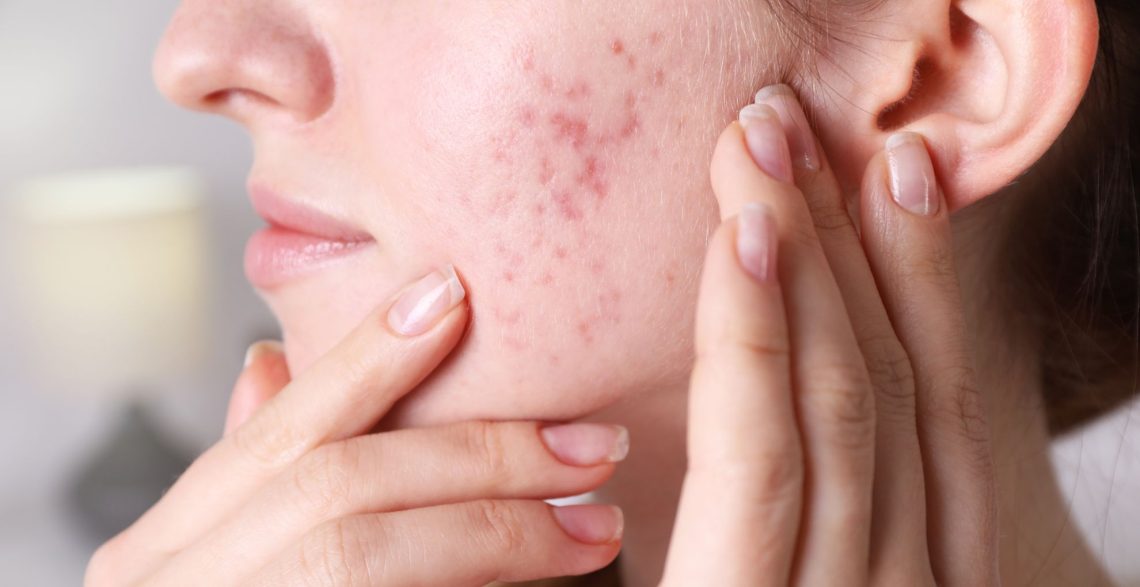
Pimples are extremely common, and most people experience breakouts at some point in their lives. Occasional pimples can usually be managed with simple skincare routines and over-the-counter (OTC) treatments. However, when pimples become persistent, painful, or start affecting your confidence, it may be time to involve a dermatologist. Dermatologists specialize in diagnosing and treating all types of acne, from mild comedones to severe cystic lesions.
This article explains how to recognize when pimples need professional attention, what a dermatologist can do, and what to expect during your visit.
Understanding Persistent Pimples
Persistent pimples are breakouts that:
- Last more than 6–8 weeks despite basic care
- Continue to return frequently
- Do not respond to common OTC treatments
- Appear more severe, deeper, or more painful over time
Chronic or recurrent pimples may indicate underlying issues like hormonal imbalance, inflammation, or even incorrect skincare habits.
Signs It’s Time to See a Dermatologist
1. Your Pimples Aren’t Responding to OTC Treatments
If you’ve tried:
- Benzoyl peroxide
- Salicylic acid
- Adapalene (OTC retinoid)
- Non-comedogenic skincare
…for 8–12 weeks with little improvement, professional help is recommended.
Dermatologists can prescribe stronger medical-grade treatments that work deeper within the skin.
2. Your Pimples Are Deep, Painful, or Cystic
Cystic acne:
- Forms under the skin
- Is painful to the touch
- Rarely comes to a head
- Often leaves dark marks or scars
These types of lesions usually need prescription-strength treatment like oral medication—not OTC creams.
3. You’re Experiencing Frequent Breakouts
If new pimples appear:
- Every few days
- In clusters
- In the same area repeatedly
…it may indicate hormonal triggers, bacterial overgrowth, or a resistant form of acne.
A dermatologist can identify the root cause.
4. You Notice Scarring or Dark Spots
Seek help immediately if you see:
- Skin dents / ice-pick scars
- Raised, thick scars
- Persistent dark marks (post-inflammatory hyperpigmentation)
Early intervention prevents long-term skin damage.
5. Your Acne Is Affecting Your Confidence or Daily Life
Acne can take a toll on:
- Self-esteem
- Social interactions
- Work or school performance
Dermatologists understand the emotional impact of acne and can tailor treatment accordingly.
6. You Suspect Hormonal Causes
Hormonal acne is common during:
- Teen years
- Menstrual cycles
- Pregnancy
- Perimenopause
- PCOS
Signs include:
- Jawline and chin breakouts
- Large, painful pimples
- Monthly flare-ups
A dermatologist may recommend hormonal blood tests or specific treatments like oral contraceptives or spironolactone.
7. You Have Acne on the Body
Back (bacne), chest, or shoulder acne often requires more aggressive therapy since the skin is thicker and more inflamed.
Professional help is especially important if over-the-counter body washes don’t work.
8. You’re Unsure Which Products Are Making Your Acne Worse
Some products can clog pores or irritate the skin:
- Heavy moisturizers
- Oils
- Makeup
- Hair products (“pomade acne”)
A dermatologist can review your routine and eliminate pore-clogging culprits.
What a Dermatologist Can Do
1. Provide an Accurate Diagnosis
Not all bumps are pimples. Dermatologists can identify:
- Fungal acne
- Rosacea
- Dermatitis
- Allergic reactions
- Folliculitis
A correct diagnosis ensures correct treatment.
2. Prescribe Stronger, More Effective Treatments
These may include:
Topical Options
- Prescription retinoids (tretinoin, adapalene, tazarotene)
- High-strength benzoyl peroxide
- Antibiotic creams
Oral Options
- Oral antibiotics
- Hormonal therapy
- Spironolactone
- Isotretinoin (Accutane) for severe acne
3. Offer In-Clinic Procedures
- Chemical peels
- Laser therapy
- Cortisone injections for cysts
- Extraction of comedones
These treatments can rapidly improve persistent breakouts.
4. Create a Personalized Skincare Routine
Dermatologists tailor routines based on:
- Skin type
- Severity of acne
- Lifestyle
- Sensitivity level
This reduces trial-and-error frustration.
What to Expect During Your Dermatology Appointment
- A thorough skin examination
- Questions about your medical history and lifestyle
- Possibly blood tests or hormonal evaluations
- Instructions on how to use prescription creams correctly
- A follow-up schedule to track your progress
Most acne treatment plans take 8–12 weeks to show noticeable improvement. Consistency is key.
Conclusion
Persistent pimples can be frustrating, painful, and emotionally draining. While occasional breakouts are normal, acne that doesn’t improve with basic care deserves professional attention. Dermatologists offer advanced treatment options, personalized skincare routines, and expert guidance that can significantly improve your skin health and confidence. Early intervention is often the best way to prevent scarring and long-term damage.
If you’ve been struggling for months without improvement, it’s likely time to see a dermatologist—and doing so can make all the difference.
FAQs
1. How long should I try OTC treatments before seeing a dermatologist?
If there’s no improvement after 8–12 weeks, see a dermatologist.
2. Should I see a dermatologist for hormonal acne?
Yes, especially if breakouts are monthly, painful, or concentrated along the jawline.
3. Can dermatologists remove pimples instantly?
They can inject painful cysts with cortisone to shrink them within 24–48 hours.
4. Will prescription acne treatments dry out my skin?
Sometimes, but dermatologists guide you on how to prevent irritation.
5. Is dermatologist treatment expensive?
Costs vary, but early treatment often prevents scarring, which is more expensive to treat later.