Introduction
Acne is often seen as a simple skin problem, but at its core, it is deeply influenced by hormonal activity. Whether you’re a teenager going through puberty or an adult dealing with breakouts in your 30s or 40s, hormones play a major role in triggering, worsening, and sustaining acne. Understanding how hormones affect the skin helps explain why acne becomes chronic in some people and why certain treatments—especially hormonal therapies—work so effectively.
This article explores how hormones contribute to acne, why hormonal acne is so common, and the treatment options that target these internal imbalances.
How Hormones Contribute to Acne Development
1. Androgens: The Main Hormonal Trigger
Androgens—such as testosterone and dihydrotestosterone (DHT)—are the primary hormones that influence acne.
How Androgens Cause Acne
- Increase sebum (oil) production
- Thicken the pore lining, causing clogging
- Promote inflammation
- Create an environment where acne-causing bacteria can thrive
Even small increases in androgens can trigger major skin changes, especially in people who are genetically sensitive to hormone fluctuations.
When Androgen Levels Rise
- Puberty
- Before menstruation
- Pregnancy
- Postpartum period
- Perimenopause
- Polycystic Ovary Syndrome (PCOS)
- Stress (which indirectly increases androgen activity)
2. Estrogen: The Hormone That Helps Prevent Acne
Estrogen can have a protective effect:
- Reduces oil production
- Keeps pores less clogged
- Has anti-inflammatory properties
This is why:
- Acne often improves during pregnancy (when estrogen rises)
- Acne worsens before periods (when estrogen drops)
- Some birth control pills that increase estrogen help clear acne
3. Progesterone: A Double-Edged Sword
Progesterone levels rise mid-cycle and during certain hormonal phases.
It can:
- Increase oiliness
- Trigger swelling in the pores
- Worsen hormonal breakouts
This is why some women notice breakouts 7–10 days before their period.
4. Cortisol: The Stress Hormone
Chronic stress increases cortisol, which disrupts normal hormone balance and:
- Increases androgen activity
- Raises inflammation
- Breaks down skin’s healing ability
- Contributes to stubborn adult acne
Stress-related acne often appears along the jawline and neck.
5. Insulin and IGF-1 (Diet-Related Hormones)
High-sugar and high-glycemic foods spike insulin and IGF-1, which:
- Increase oil production
- Increase androgen activity
- Speed up cell growth, clogging pores
This explains why diet can trigger or worsen acne in hormonally sensitive individuals.
Conditions That Trigger Hormonal Acne
1. Polycystic Ovary Syndrome (PCOS)
PCOS is one of the most common causes of hormonal acne in adult women.
Symptoms may include:
- Irregular periods
- Weight gain
- Excess facial/body hair
- Hair thinning
- Deep cystic acne
PCOS increases androgen levels, leading to persistent chin and jawline acne.
2. Perimenopause and Menopause
As estrogen declines and androgen sensitivity increases, many women experience:
- New acne breakouts
- Dryness combined with oiliness
- Increased pigmentation from acne marks
Hormonal fluctuation in this stage often requires specialized treatment.
3. Pregnancy and Postpartum Changes
Hormones shift drastically:
- Acne may worsen in the first trimester
- Improve in second trimester
- Flare postpartum due to hormone drop
Safe treatment options are needed during this time.
4. Stopping or Starting Birth Control Pills
Changes in synthetic hormones can cause temporary or persistent acne flares.
How to Recognize Hormonal Acne
Hormonal acne typically:
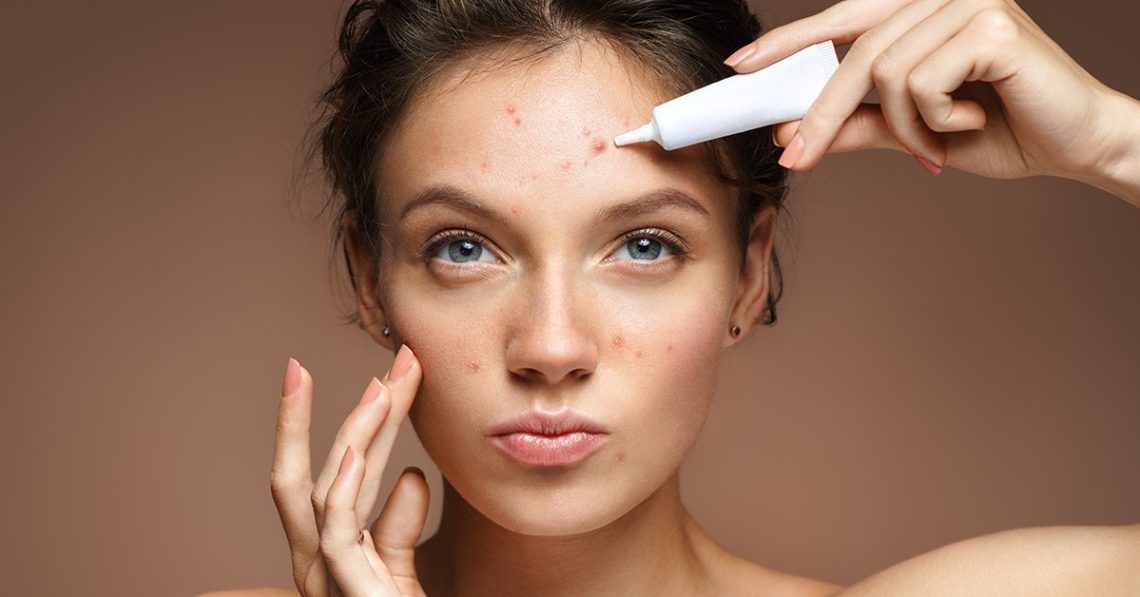
- Appears on the chin, jawline, and lower cheeks
- Flares before or during menstruation
- Includes deep, painful cysts
- Comes with excess oil, especially around the T-zone
- Causes dark marks that linger longer
Treatment Approaches That Target Hormonal Acne
1. Topical Treatments (Foundational)
Though hormonal acne begins inside the body, topical treatments help control surface-level inflammation and clogged pores.
Effective Options
- Retinoids (Tretinoin, Adapalene, Tazarotene)
- Benzoyl Peroxide
- Salicylic Acid
- Azelaic Acid
- Niacinamide (controls oil, reduces redness)
Topicals are essential even when taking oral treatments.
2. Hormonal Therapy for Women
a. Birth Control Pills
Certain oral contraceptives help by:
- Increasing estrogen levels
- Reducing androgen activity
- Regulating menstrual cycles
Best for women with monthly hormonal flares.
b. Spironolactone
A highly effective anti-androgen medication.
Benefits:
- Reduces oil production
- Prevents cystic breakouts
- Ideal for stubborn chin/jawline acne
- Works especially well for women 20–45
It is one of the most widely used treatments for hormonal acne.
3. Oral Medications (Non-Hormonal)
These target severe or inflammatory types of acne.
Oral Antibiotics
Used short-term to reduce inflammation:
- Doxycycline
- Minocycline
- Sarecycline
Always combined with topical treatments.
Isotretinoin (Accutane)
For severe or resistant hormonal acne:
- Shrinks oil glands
- Prevents clogged pores
- Long-term remission
- Reduces scarring risk
Requires close medical monitoring.
4. Treating Underlying Medical Conditions
If acne is linked to:
- PCOS
- Thyroid disorders
- Insulin resistance
Then treating the underlying condition significantly improves breakouts.
5. In-Clinic Procedures
Helpful for stubborn acne or scarring.
Chemical Peels
Reduce oil, breakouts, and pigmentation.
Laser and Light Therapies
- Reduce inflammation
- Kill acne bacteria
- Improve skin texture
Hormonal Acne Extraction
Removes deep clogged pores safely.
Lifestyle and Diet Adjustments
1. Reduce High-Glycemic Foods
Helps stabilize insulin and IGF-1:
- Avoid sugary drinks
- Reduce white rice, bread, and pasta
2. Moderate Dairy Intake
Especially skim milk, which has hormone-like growth factors.
3. Stress Management
- Meditation
- Sleep hygiene
- Exercise
- Mindfulness
4. Remove Comedogenic Products
Choose:
- Oil-free
- Non-comedogenic
- Fragrance-free
- Gentle cleansers and moisturizers
Conclusion
Hormones play a central role in acne development, especially in adults. From puberty to pregnancy to perimenopause, hormonal shifts can activate oil glands, clog pores, and trigger inflammation—leading to persistent breakouts. Fortunately, many effective treatments target hormonal imbalances, including birth control pills, spironolactone, isotretinoin, and supportive topical therapies.
Understanding the hormonal component of acne allows for a more precise and effective treatment plan. With the right combination of medical care, skincare, and lifestyle support, hormonal acne can be controlled—and in many cases, significantly improved or even resolved.
FAQs
1. How do I know if my acne is hormonal?
If it appears around the chin and jawline, flares before periods, or forms deep cysts, it’s likely hormonal.
2. Does hormonal acne go away on its own?
Not always—many adults need targeted hormonal treatment like birth control or spironolactone.
3. Can men get hormonal acne too?
Yes, although women experience it more often due to menstrual and hormonal fluctuations.
4. Can stress alone cause hormonal acne?
Yes—stress increases cortisol, which boosts androgen activity and oil production.
5. Is Accutane effective for hormonal acne?
Yes, especially for severe or resistant cases, though some may need hormonal therapy afterwards.