Introduction
Loud snoring and sleep apnea can significantly affect sleep quality, overall health, and daily functioning. While lifestyle changes, nasal aids, and oral appliances help mild-to-moderate cases, severe obstructive sleep apnea (OSA) often requires more advanced treatment. Continuous Positive Airway Pressure (CPAP) therapy is considered the gold standard for managing severe OSA. By maintaining an open airway during sleep, CPAP improves oxygenation, reduces snoring, and prevents serious health complications.
This article explores how CPAP works, its benefits, potential challenges, and tips for successful therapy.
Understanding CPAP Therapy
1. How CPAP Works
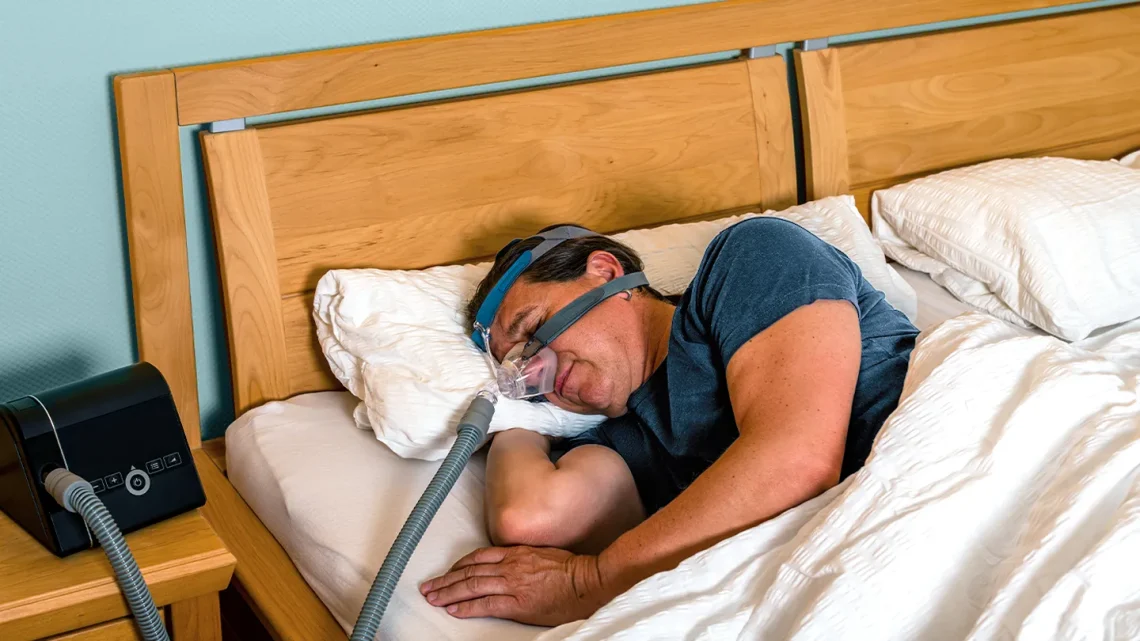
- CPAP devices deliver a continuous stream of pressurized air through a mask
- This airflow keeps the airway open, preventing soft tissue collapse in the throat
- Unlike oral appliances, CPAP addresses airway obstruction directly, making it effective for severe cases
2. Components of CPAP Devices
- Machine: Generates air pressure
- Mask: Fits over nose or nose and mouth
- Tubing: Connects the machine to the mask
- Humidifier (optional): Adds moisture to prevent dryness
Benefits of CPAP Therapy
1. Reduces Snoring and Apnea Episodes
- Opens the airway consistently, preventing tissue vibration
- Minimizes pauses in breathing for people with severe sleep apnea
2. Improves Sleep Quality
- Restores normal sleep architecture
- Increases time spent in deep and REM sleep
- Reduces nighttime awakenings
3. Enhances Daytime Function
- Reduces daytime sleepiness and fatigue
- Improves concentration, mood, and overall productivity
4. Protects Cardiovascular Health
- Lowers risk of high blood pressure, heart attack, stroke, and arrhythmias
- Improves oxygen levels, reducing strain on the heart
5. Can Be Combined with Other Treatments
- Weight management, positional therapy, or oral appliances
- Customizable pressure settings to optimize comfort
Challenges and Considerations
1. Mask Discomfort
- Some users experience irritation, pressure marks, or leaks
- Proper mask fitting and style selection are essential
2. Dryness or Congestion
- Nasal dryness, irritation, or congestion can occur
- Humidifiers and saline sprays help alleviate symptoms
3. Noise Concerns
- Modern CPAP machines are quieter, but some users remain sensitive
- White noise or earplugs can help
4. Compliance Issues
- Some patients struggle with wearing CPAP nightly
- Consistent use is critical for effectiveness
5. Regular Monitoring Required
- CPAP settings may need adjustments based on sleep studies or symptom changes
- Follow-ups with a sleep specialist are recommended
Tips for Successful CPAP Therapy
- Get a professional fitting: Proper mask fit reduces leaks and discomfort
- Start gradually: Wear CPAP for short periods while awake to acclimate
- Maintain the device: Clean masks, tubing, and humidifiers regularly
- Address nasal issues: Treat congestion or dryness to improve comfort
- Combine with lifestyle measures: Weight management, avoiding alcohol before bed, and positional therapy enhance effectiveness
When CPAP Is Recommended
CPAP is primarily prescribed for:
- Severe obstructive sleep apnea (AHI > 30)
- Moderate OSA with symptoms affecting daily life
- Patients at risk for cardiovascular complications due to untreated OSA
- Those who have failed or cannot tolerate other treatments, such as oral appliances
Conclusion
CPAP therapy is the most effective treatment for severe snoring and obstructive sleep apnea. By keeping the airway open, it not only reduces snoring and apnea events but also improves sleep quality, daytime alertness, and long-term cardiovascular health. While some users face challenges with mask comfort and compliance, professional guidance, gradual adaptation, and proper device maintenance maximize success. For anyone with severe OSA, CPAP therapy is a life-changing intervention that protects health and improves quality of life.
FAQs
1. Does CPAP completely stop snoring?
For many with severe OSA, CPAP eliminates snoring by keeping the airway open throughout sleep.
2. Can CPAP be used if I only snore occasionally?
CPAP is typically reserved for moderate-to-severe sleep apnea, not occasional snoring.
3. How long should I use CPAP each night?
Ideally, every night for the entire duration of sleep to achieve maximum benefits.
4. Are there alternatives if I can’t tolerate CPAP?
Yes—oral appliances, positional therapy, weight management, or surgical options may be considered.
5. Can CPAP improve daytime energy?
Yes—by restoring normal sleep architecture, CPAP significantly reduces daytime fatigue and improves alertness.