Introduction
Dandruff is a common scalp condition characterized by flaking, itching, and irritation. While mild cases can sometimes be managed with regular hair washing, persistent dandruff often requires medicated shampoos. Anti-dandruff shampoos contain active ingredients that target the underlying causes, such as fungal overgrowth, excess oil, or scalp irritation.
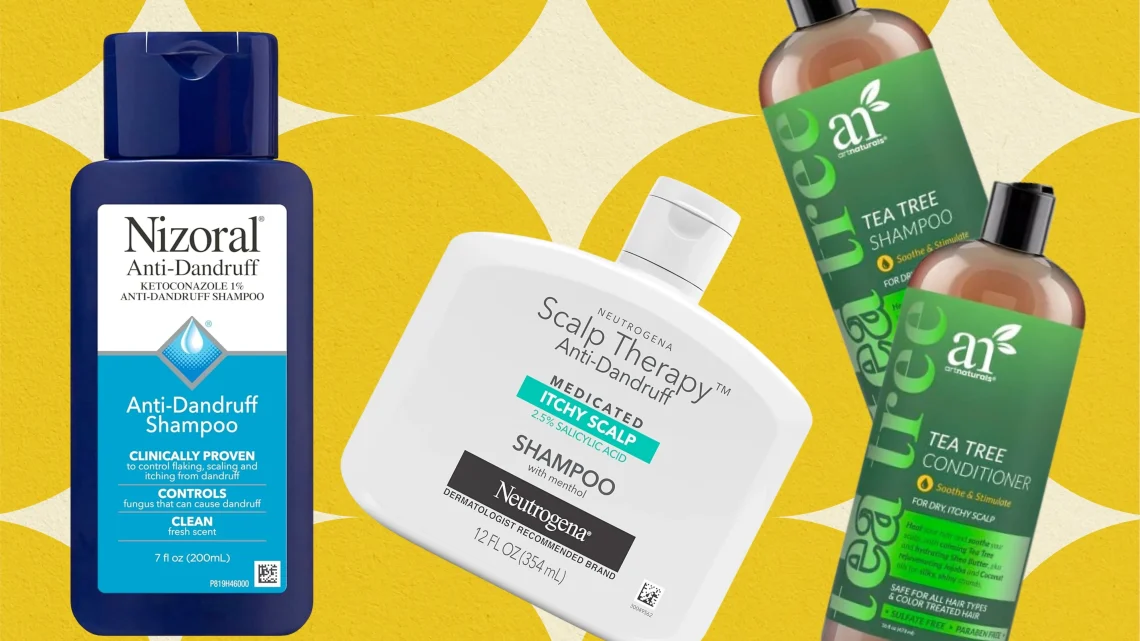
This article provides an in-depth guide to the most common active ingredients—Zinc Pyrithione, Selenium Sulfide, Ketoconazole, and Coal Tar—and how to choose the right shampoo for your scalp needs.
Understanding Dandruff and Its Causes
- Malassezia yeast: A fungus naturally present on the scalp, overgrowth can cause flaking
- Seborrheic dermatitis: Oily, inflamed scalp leading to persistent dandruff
- Dry scalp: Lack of moisture may cause fine, dry flakes
- Sensitivity to hair products: Certain shampoos or styling products can irritate the scalp
- Other factors: Stress, hormonal changes, diet, or weather changes
Key Anti-Dandruff Shampoo Ingredients
1. Zinc Pyrithione
How It Works
- Antifungal and antibacterial properties
- Reduces Malassezia growth and scalp inflammation
Benefits
- Mild and suitable for daily use
- Helps control itching and flaking
- Gentle enough for sensitive scalps
Considerations
- May not be strong enough for severe dandruff
- Gradual results over a few weeks
2. Selenium Sulfide
How It Works
- Slows skin cell turnover
- Reduces Malassezia yeast activity
Benefits
- Effective for moderate to severe dandruff
- Helps manage oily scalp conditions
- Often available in 2.5% formulations
Considerations
- Can discolor light-colored or chemically treated hair
- Should not be used daily; 2–3 times a week is typical
- Strong odor may be noticeable
3. Ketoconazole
How It Works
- Broad-spectrum antifungal agent
- Targets Malassezia yeast directly
Benefits
- Highly effective for persistent or severe dandruff
- Can be used for seborrheic dermatitis or scalp eczema
- Usually used 2–3 times per week
Considerations
- Some formulations require alternating with regular shampoo
- Long-term safety is good, but always follow label instructions
4. Coal Tar
How It Works
- Slows down excessive skin cell production
- Reduces flaking and scalp scaling
Benefits
- Effective for seborrheic dermatitis and psoriasis
- Can be used as part of a rotation with other shampoos
Considerations
- Strong smell and potential staining of light-colored hair
- Sun sensitivity may increase—use sunscreen on exposed scalp
- Not typically recommended for long-term daily use
How to Choose the Right Shampoo
- Identify the severity of dandruff
- Mild: Zinc Pyrithione
- Moderate: Selenium Sulfide or Ketoconazole
- Severe/psoriasis-related: Coal Tar or Ketoconazole
- Consider scalp sensitivity
- Sensitive scalps: Choose milder formulas like Zinc Pyrithione
- Hair type and color
- Light or chemically treated hair may react to Coal Tar or Selenium Sulfide
- Frequency of use
- Daily use: Mild formulas like Zinc Pyrithione
- Occasional use: Selenium Sulfide, Ketoconazole, Coal Tar
- Rotate if necessary
- Rotating between two different active ingredients can prevent tolerance and maintain effectiveness
Tips for Effective Dandruff Control
- Massage shampoo into the scalp and leave for 3–5 minutes before rinsing
- Avoid hot water, which can dry out the scalp
- Limit styling products that may irritate the scalp
- Maintain a healthy diet and manage stress, as these can worsen dandruff
- Consult a dermatologist if dandruff persists despite regular use
Conclusion
Choosing the right anti-dandruff shampoo depends on scalp condition, hair type, and severity of flakes. Zinc Pyrithione is ideal for mild cases, Selenium Sulfide and Ketoconazole target moderate to severe dandruff, and Coal Tar is useful for more stubborn conditions like psoriasis. Consistent use, proper application, and lifestyle measures enhance results. For persistent or severe dandruff, a dermatologist’s guidance ensures safe and effective management.
FAQs
1. Can I use anti-dandruff shampoo every day?
Mild formulations like Zinc Pyrithione are safe for daily use. Stronger formulas should be used as directed.
2. How long does it take to see results?
Most shampoos show improvement within 2–4 weeks of consistent use.
3. Can anti-dandruff shampoo damage hair?
Most are safe when used as directed. Coal Tar and Selenium Sulfide may cause dryness or discoloration in light-colored hair.
4. Should I rotate shampoos?
Yes, alternating between active ingredients can improve effectiveness and prevent tolerance.
5. When should I see a dermatologist?
If dandruff persists, worsens, or is associated with redness, swelling, or pain, consult a dermatologist.