Introduction
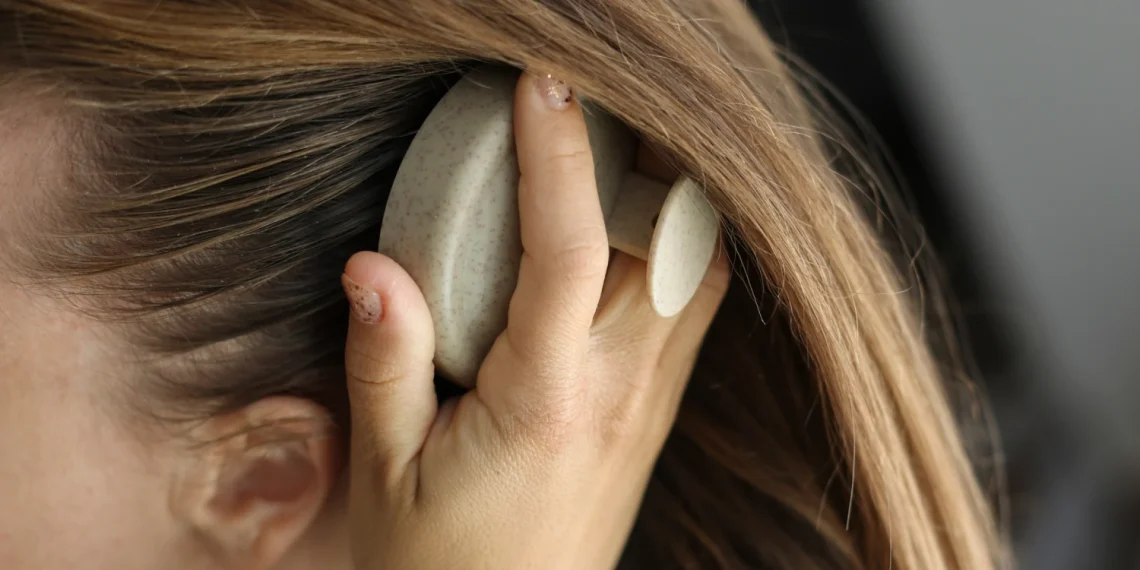
A healthy scalp is the foundation of healthy hair and can play a key role in managing dandruff, dryness, and irritation. One of the most effective ways to enhance scalp health is through regular scalp massage. Not only does massage improve blood circulation, but it also helps loosen dead skin flakes, distribute natural oils, and prepare the scalp for better absorption of shampoos and treatments.
This article explores the benefits of scalp massage and provides step-by-step techniques to help you maintain a clean, healthy, and flake-free scalp.
Benefits of Scalp Massage
1. Loosens Flakes
- Helps dislodge dead skin cells and dandruff
- Prepares the scalp for easier removal with shampoo or brush
2. Improves Blood Circulation
- Stimulates hair follicles
- Promotes nutrient and oxygen delivery to hair roots
- May support hair growth over time
3. Reduces Tension and Stress
- Relaxes tight muscles in the scalp and neck
- Lower stress levels may reduce seborrheic dermatitis flare-ups
4. Enhances Absorption of Hair Treatments
- Prepares scalp for medicated or moisturizing shampoos, oils, and serums
- Ensures active ingredients penetrate effectively
Scalp Massage Techniques
1. Fingertip Circular Motion
- How to do: Use the pads of your fingers (not nails) to make gentle circular motions all over the scalp
- Duration: 5–10 minutes
- Benefits: Loosens flakes, stimulates blood flow, and relaxes muscles
2. Scalp Lifting
- How to do: Place fingertips on the scalp and gently lift small sections upward, creating a light tension
- Duration: 3–5 minutes
- Benefits: Encourages deeper circulation and loosens stubborn flakes
3. Back-and-Forth Motion
- How to do: Use fingers to move the scalp gently back and forth over the skull
- Duration: 2–3 minutes
- Benefits: Relieves tension and promotes even blood distribution
4. Tapping or Percussion
- How to do: Lightly tap the scalp with fingertips all over the head
- Duration: 2–3 minutes
- Benefits: Stimulates circulation and energizes follicles
5. Massage with Oils
- Recommended Oils: Coconut oil, tea tree oil (diluted), jojoba oil
- How to do: Warm a small amount of oil, apply to scalp, and massage using circular motions
- Duration: 5–15 minutes
- Benefits: Moisturizes dry scalp, loosens flakes, and provides antifungal benefits if using medicated oils
Tips for Effective Scalp Massage
- Frequency: 2–3 times per week or daily for dry, flaky scalp
- Pressure: Use gentle pressure to avoid irritation or scratching
- Timing: Best done before shampooing to loosen flakes and enhance cleansing
- Avoid Nails: Fingernails can scratch and irritate the scalp
- Combine with Hair Care Routine: Follow massage with anti-dandruff shampoo or moisturizing conditioner for best results
Additional Considerations
- People with scalp infections, open sores, or psoriasis flare-ups should consult a dermatologist before massage
- Maintain clean hands and tools to avoid introducing bacteria
- Massage can be combined with brushing or combing to remove loosened flakes
Conclusion
Scalp massage is a simple yet highly effective technique to loosen flakes, improve circulation, and enhance overall scalp health. When combined with proper hair care and anti-dandruff treatments, regular massage can significantly reduce flaking, relieve tension, and promote a healthier scalp environment. By incorporating these massage techniques into your routine, you not only manage dandruff but also support hair vitality and long-term scalp wellness.
FAQs
1. How often should I massage my scalp for dandruff?
2–3 times per week, or daily if your scalp is very dry and flaky.
2. Can I use oils during scalp massage?
Yes, oils like coconut, jojoba, or diluted tea tree oil can moisturize and provide antifungal benefits.
3. Should I massage before or after shampooing?
Before shampooing, to loosen flakes and prepare the scalp for cleansing.
4. How long should each scalp massage last?
5–15 minutes, depending on the technique and whether oils are used.
5. Can scalp massage help with hair growth?
While not a guaranteed treatment, increased circulation and follicle stimulation may support healthier hair growth over time.