Introduction
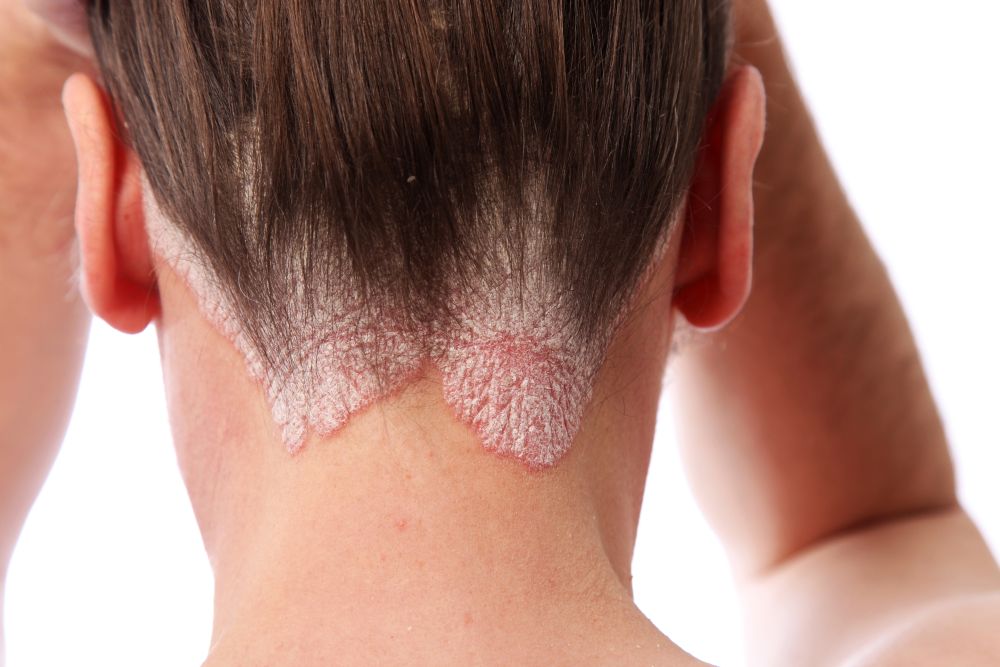
Dandruff is often perceived as a minor cosmetic concern, but in many cases, it is caused by a medical condition called seborrheic dermatitis (SD). This chronic inflammatory skin disorder affects areas rich in oil glands, such as the scalp, face, and upper chest. On the scalp, SD can lead to flaking, redness, itching, and irritation, often mistaken for ordinary dandruff. Understanding seborrheic dermatitis is key to choosing the right treatments and managing symptoms effectively.
This article explores the causes, symptoms, and treatment approaches for seborrheic dermatitis of the scalp.
What is Seborrheic Dermatitis?
- A chronic inflammatory condition of the skin
- Often linked to Malassezia yeast, naturally present on the skin
- Triggered or worsened by stress, hormonal changes, cold weather, or immune system changes
- Can range from mild dandruff-like flakes to thick, greasy scales
Causes and Triggers
1. Fungal Overgrowth
- Malassezia yeast feeds on scalp oils, triggering inflammation
- Leads to redness, itching, and flaking
2. Sebum Production
- Excessive oil production provides a fertile environment for yeast growth
- Common in oily scalps and certain age groups (infants and adults aged 30–60)
3. Immune System Response
- Some individuals have an overactive immune reaction to normal yeast, causing inflammation
4. Environmental and Lifestyle Triggers
- Cold, dry climates or sudden weather changes
- Stress and fatigue
- Harsh hair care products that irritate the scalp
Symptoms of Scalp Seborrheic Dermatitis
- Flaky, greasy, yellow or white scales
- Redness and irritation
- Itching and sometimes burning sensations
- Hair may appear oily or sticky
- Severe cases can lead to temporary hair shedding due to scratching
Differentiating SD from Ordinary Dandruff
| Feature | Ordinary Dandruff | Seborrheic Dermatitis |
| Flakes | Dry, white | Greasy, yellowish |
| Redness | Usually none | Common |
| Itching | Mild | Moderate to severe |
| Severity | Intermittent | Chronic, can flare |
| Spread | Scalp only | Scalp, eyebrows, ears, chest |
Treatment Approaches
1. Medicated Shampoos
- Ketoconazole: Antifungal, reduces Malassezia overgrowth
- Selenium Sulfide: Controls oiliness and yeast activity
- Zinc Pyrithione: Mild, suitable for daily use
- Coal Tar: Slows skin cell turnover for thick scales
2. Topical Corticosteroids
- For severe inflammation and itching
- Used short-term under dermatologist supervision
3. Natural Remedies
- Tea Tree Oil: Antifungal and anti-inflammatory properties
- Apple Cider Vinegar Rinses: Balances scalp pH
- Aloe Vera or Coconut Oil: Soothes irritation and moisturizes
4. Lifestyle Measures
- Regular shampooing to remove oil and flakes
- Stress management and adequate sleep
- Avoiding harsh hair products and excessive heat styling
When to See a Dermatologist
- Persistent flaking despite regular washing
- Severe itching, redness, or pain
- Scalp sores, oozing, or secondary infections
- Hair loss associated with scratching or inflammation
A dermatologist can recommend prescription shampoos, topical antifungals, or mild corticosteroids for optimal management.
Conclusion
Seborrheic dermatitis is a common underlying cause of persistent dandruff. Characterized by flaking, redness, and itching, it can significantly affect quality of life. Understanding the condition, identifying triggers, and using appropriate medicated shampoos, natural remedies, and lifestyle adjustments can help manage symptoms effectively. For moderate to severe cases, professional guidance ensures the scalp remains healthy and dandruff is controlled.
FAQs
1. Is seborrheic dermatitis contagious?
No, SD is not contagious; it is related to fungal overgrowth and individual immune response.
2. Can SD cause hair loss?
Temporary hair thinning can occur due to scratching, but the condition itself doesn’t directly cause permanent hair loss.
3. How is SD different from regular dandruff?
SD often involves greasy, yellowish flakes, redness, and more persistent symptoms than ordinary dandruff.
4. Can natural remedies help with SD?
Yes, tea tree oil, apple cider vinegar, aloe vera, and coconut oil can soothe symptoms but may not be sufficient for severe cases.
5. How often should I use medicated shampoo for SD?
Depending on severity: 2–3 times per week for mild cases, or as prescribed for moderate to severe SD.