Introduction
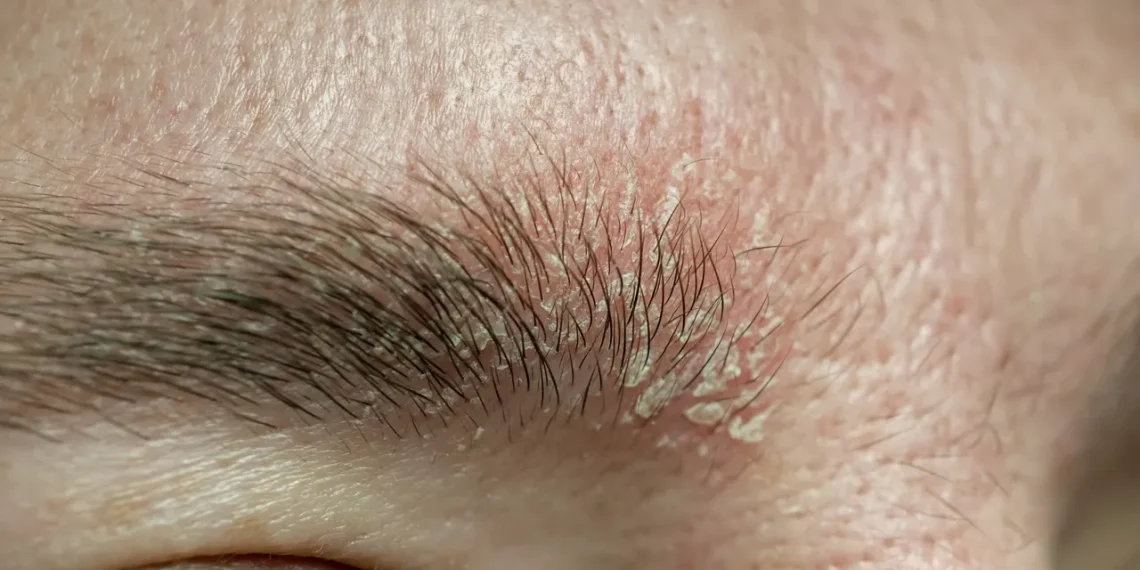
While dandruff is commonly associated with the scalp, it can also affect facial hair areas such as beards and eyebrows. Flaking, itching, and redness in these regions can be uncomfortable and noticeable, impacting self-confidence. Dandruff in the beard or eyebrows is often caused by seborrheic dermatitis, fungal overgrowth, or dry skin.
This article explores the causes, symptoms, and effective strategies to manage dandruff in beards and eyebrows.
Causes of Facial Dandruff
1. Seborrheic Dermatitis
- A chronic inflammatory condition often affecting oil-rich areas like the scalp, beard, and eyebrows
- Linked to Malassezia yeast, which feeds on natural oils
2. Dry Skin
- Environmental factors, cold weather, or harsh soaps can dry out skin under facial hair
- Leads to flaking and itching
3. Skin Irritation
- Hair products, shaving creams, or excessive grooming may irritate the skin
- Friction from combing or brushing can worsen flakes
4. Poor Hygiene
- Infrequent washing can allow oil and dead skin cells to accumulate, worsening dandruff
Symptoms to Watch For
- White or yellow flakes on facial hair or skin
- Itchy, red, or irritated skin under the beard or eyebrows
- Greasy or flaky patches
- Sometimes mild swelling or tenderness
Treatment Approaches
1. Gentle Cleansing
- Wash the beard and eyebrows 1–2 times daily with a mild cleanser or anti-dandruff shampoo
- Avoid harsh soaps or hot water that can dry the skin
2. Anti-Dandruff Shampoos
- Ketoconazole, Zinc Pyrithione, or Selenium Sulfide shampoos can be used on beards and eyebrows
- Apply a small amount, leave for 3–5 minutes, then rinse thoroughly
- Use 2–3 times per week depending on severity
3. Moisturizing
- Apply lightweight, non-comedogenic oils or creams (jojoba oil, coconut oil) to prevent dryness
- Helps reduce flaking and soothes irritation
4. Exfoliation
- Gently brush or massage the beard to remove loose flakes
- Avoid aggressive scrubbing, which can irritate the skin
5. Avoid Irritants
- Choose fragrance-free grooming products
- Limit alcohol-based aftershaves or harsh beard oils
6. Professional Treatment
- Persistent or severe dandruff may require topical corticosteroids, antifungal creams, or medicated gels prescribed by a dermatologist
Lifestyle Tips for Facial Dandruff
- Manage stress, as it can trigger flare-ups
- Maintain a healthy diet rich in zinc, omega-3s, and antioxidants
- Keep facial hair clean and trimmed to reduce flake accumulation
- Avoid scratching to prevent inflammation or infection
Conclusion
Dandruff in beards and eyebrows is a common but manageable condition. By maintaining good hygiene, using appropriate anti-dandruff treatments, moisturizing, and avoiding irritants, flakes and itching can be significantly reduced. For stubborn cases, consulting a dermatologist ensures safe and effective treatment, restoring both comfort and confidence.
FAQs
1. Can scalp anti-dandruff shampoos be used on beards?
Yes, mild formulations like ketoconazole or zinc pyrithione shampoos can be applied carefully to beards and eyebrows.
2. How often should I wash my beard to control dandruff?
1–2 times daily with a gentle cleanser, or 2–3 times per week with medicated shampoo depending on severity.
3. Can oils help with facial dandruff?
Yes—light oils like jojoba or coconut oil can moisturize dry skin and reduce flaking.
4. Is dandruff in the beard contagious?
No, dandruff is not contagious; it is usually caused by fungal overgrowth or skin inflammation.
5. When should I see a dermatologist?
If dandruff persists despite proper cleansing, or if there is redness, swelling, or infection under the beard or eyebrows.