Introduction
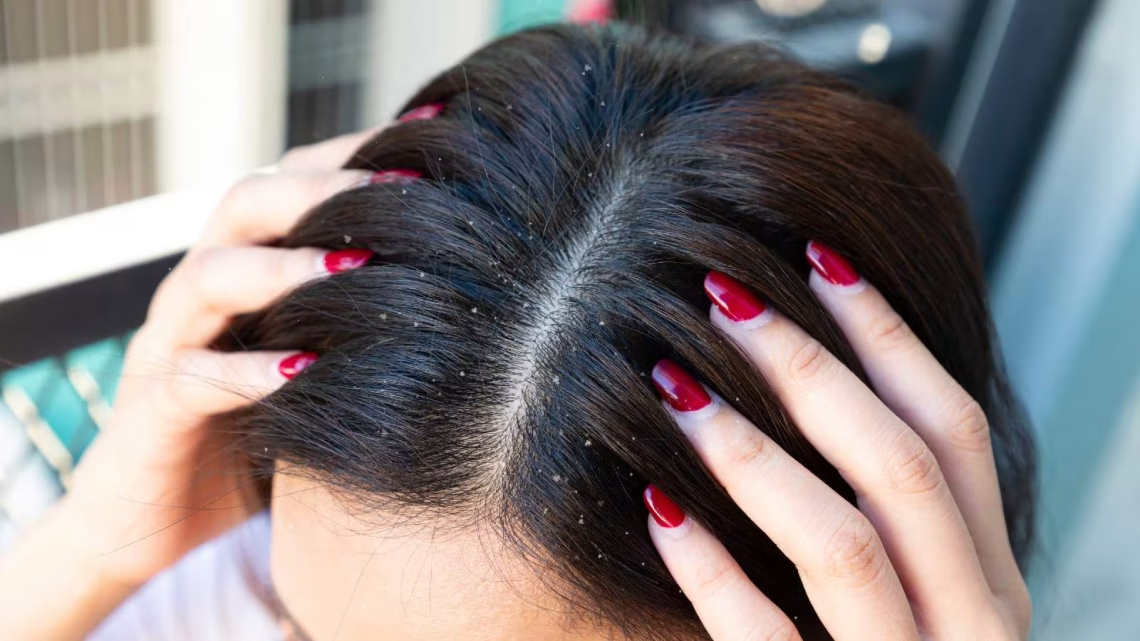
Dandruff is a common scalp condition that can be controlled effectively, but recurrence is common. Flakes, itching, and irritation may return if preventive strategies are not followed. Maintaining a healthy scalp through consistent care, lifestyle habits, and targeted treatments is essential to minimizing flare-ups.
This article outlines practical strategies for preventing dandruff recurrence, helping you keep your scalp healthy and flake-free over the long term.
1. Maintain a Regular Washing Routine
- Wash your hair 2–3 times per week for mild dandruff, or more often for oily scalps
- Use anti-dandruff shampoos containing zinc pyrithione, ketoconazole, or selenium sulfide
- Leave the shampoo on the scalp for 3–5 minutes before rinsing
- Rotate shampoos if necessary to prevent tolerance
2. Keep the Scalp Moisturized
- Dry scalp can trigger flaking
- Use lightweight conditioners or scalp oils like jojoba or coconut oil
- Avoid heavy or greasy products that may worsen dandruff
3. Scalp Massage
- Regular scalp massage improves blood circulation and oil distribution
- Helps loosen flakes and enhances absorption of treatments
- Recommended 2–3 times per week, or daily if using oils
4. Healthy Lifestyle Habits
- Manage stress: High stress can trigger seborrheic dermatitis flare-ups
- Balanced diet: Include omega-3s, zinc, vitamins B and D, and antioxidants
- Hydration: Drink enough water to maintain skin and scalp moisture
5. Avoid Irritants
- Limit harsh chemicals, alcohol-based styling products, and hot water
- Choose fragrance-free and mild hair products
- Reduce excessive brushing or scratching to prevent inflammation
6. Natural Preventive Measures
- Tea tree oil: Mild antifungal properties when diluted and used in shampoos
- Apple cider vinegar rinses: Help maintain scalp pH and prevent fungal overgrowth
- Aloe vera or honey masks: Moisturize and soothe irritation
7. Monitor and Treat Early
- Identify triggers such as seasonal changes, stress, or new hair products
- Apply anti-dandruff shampoo at the first sign of flakes
- Seek dermatological advice for persistent or severe recurrence
8. Rotate Medicated Treatments
- Using different active ingredients alternately (ketoconazole, zinc pyrithione, selenium sulfide) prevents fungal tolerance and maintains effectiveness
- Avoid continuous use of strong corticosteroids on the scalp
Conclusion
Preventing dandruff recurrence requires a multifaceted approach combining proper scalp care, lifestyle adjustments, natural remedies, and early intervention. Maintaining a regular washing routine, moisturizing, managing stress, and avoiding irritants can significantly reduce flare-ups. For stubborn or persistent cases, consultation with a dermatologist ensures tailored treatment and long-term scalp health. Consistency and preventive measures are key to keeping dandruff at bay.
FAQs
1. Can dandruff be permanently cured?
Dandruff is usually a chronic condition; it can be controlled but may recur if preventive measures are not followed.
2. How often should I use anti-dandruff shampoo for maintenance?
For most people, 1–2 times per week is sufficient once dandruff is under control.
3. Are natural remedies effective for prevention?
Yes, tea tree oil, apple cider vinegar, and aloe vera can help maintain scalp health and prevent mild recurrences.
4. Does stress really affect dandruff?
Yes—stress can trigger seborrheic dermatitis flare-ups and worsen dandruff.
5. When should I see a dermatologist?
If dandruff recurs frequently despite preventive care, or if there is redness, irritation, or hair loss associated with flakes.