Introduction
Round ligament pain is a common discomfort during pregnancy, experienced by many women as the uterus grows and the ligaments supporting it stretch. While usually harmless, it can cause sudden, sharp, or pulling sensations in the lower abdomen or groin. Understanding the causes, recognizing symptoms, and learning effective strategies to ease the pain can help pregnant women navigate this phase with comfort and confidence.
What is Round Ligament Pain?
- The round ligaments are bands of connective tissue that support the uterus and maintain its position in the pelvis.
- As the uterus expands, these ligaments stretch and thicken, which can trigger discomfort.
- Pain is usually temporary, intermittent, and sharp, often occurring during movement or changes in position.
When Round Ligament Pain Typically Occurs
- Most commonly begins in the second trimester (around 14–20 weeks).
- Can persist, occasionally, into the third trimester as the uterus continues to grow.
- Often triggered by sudden movements, standing up quickly, coughing, sneezing, or rolling over in bed.
Common Symptoms
- Sharp, stabbing pain on one or both sides of the lower abdomen
- Pulling or stretching sensation in the groin or pelvic area
- Pain may last a few seconds to a few minutes
- Discomfort after sudden movements or physical activity
- Usually does not cause fever, bleeding, or severe cramping
Tips to Ease Round Ligament Pain
1. Move Slowly
- Avoid sudden movements, such as standing up quickly or twisting abruptly.
- When changing positions, roll to your side first before standing.
2. Support the Abdomen
- Wearing a maternity support belt can help relieve pressure.
- Supporting the belly when bending or lifting objects reduces ligament strain.
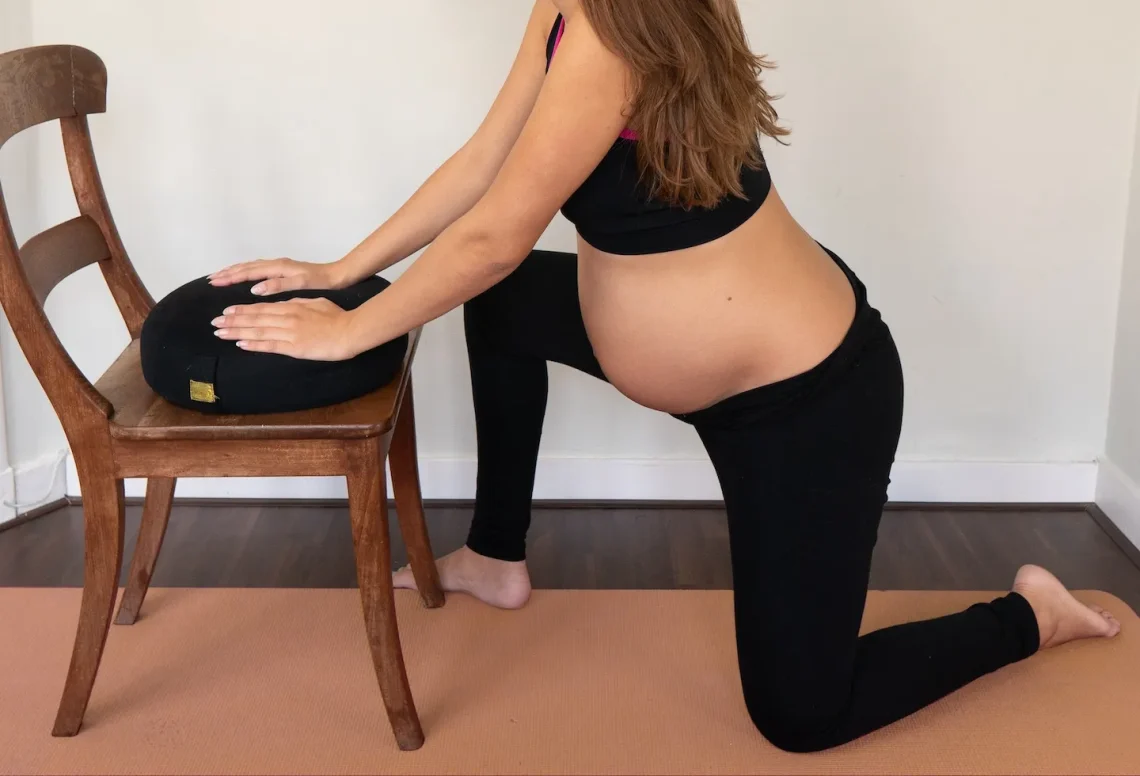
3. Gentle Stretching and Exercises
- Prenatal yoga, pelvic tilts, and gentle stretching can improve ligament flexibility.
- Avoid high-impact exercises or movements that worsen pain.
4. Warm Compress or Bath
- Apply a warm (not hot) compress to the lower abdomen or take a warm bath to relax ligaments.
5. Rest and Change Positions
- Rest in a comfortable position, such as lying on your side with a pillow between the knees.
- Alternate positions frequently to reduce prolonged strain on ligaments.
6. Avoid Heavy Lifting
- Lifting heavy objects can overstretch the ligaments and worsen discomfort.
- Use proper technique or seek assistance if lifting is necessary.
When to Seek Medical Attention
While round ligament pain is generally harmless, contact a healthcare provider if you experience:
- Persistent or severe abdominal pain
- Vaginal bleeding, fever, or chills
- Pain accompanied by dizziness or fainting
- Pain that does not improve with rest, position changes, or support
These symptoms could indicate other conditions, such as preterm labor, urinary tract infections, or appendicitis, which require prompt evaluation.
Lifestyle Tips to Reduce Discomfort
- Maintain good posture to reduce ligament strain
- Wear supportive shoes to reduce pelvic pressure
- Exercise regularly with prenatal-safe activities
- Stay hydrated to support ligament elasticity
- Track triggers to anticipate and avoid pain-inducing movements
Conclusion
Round ligament pain is a normal and common part of pregnancy, caused by the natural stretching of ligaments supporting the growing uterus. While often sharp and surprising, it is usually temporary and manageable with slow movements, abdominal support, gentle stretching, and rest. Being aware of triggers and adopting preventive strategies can help minimize discomfort. However, persistent or severe pain should always be evaluated by a healthcare provider to rule out complications.
FAQs
1. What causes round ligament pain?
It is caused by stretching of the ligaments that support the growing uterus during pregnancy.
2. When does it usually start?
Typically begins in the second trimester, around 14–20 weeks.
3. How can I relieve the pain?
Move slowly, support the abdomen, use warm compresses, gentle stretching, and rest in comfortable positions.
4. Is round ligament pain dangerous?
No, it is usually harmless, but persistent or severe pain should be evaluated.
5. Can exercise help with round ligament pain?
Yes, prenatal-safe exercises and gentle stretches can improve flexibility and reduce discomfort.