Introduction
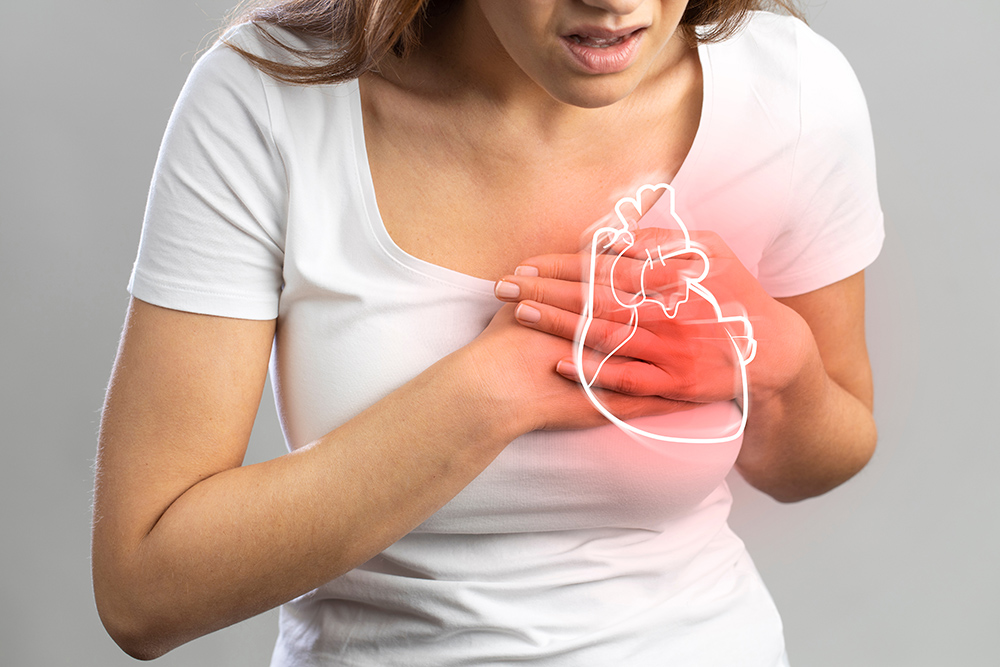
Heart attacks, or myocardial infarctions, are a leading cause of death among women worldwide. Unlike men, who often experience classic symptoms such as chest pain and left arm discomfort, women frequently present with atypical or subtle symptoms. Awareness of these signs is critical, as delayed recognition can lead to serious complications or death.
This article explores the common atypical symptoms of heart attacks in women, risk factors, and preventive strategies.
Atypical Heart Attack Symptoms in Women
1. Shortness of Breath
- May occur with or without chest pain.
- Can feel like difficulty catching breath, tightness, or rapid breathing.
- Often worsens during physical activity or at rest, sometimes mistaken for anxiety or asthma.
2. Unusual Fatigue
- Sudden or unexplained tiredness that is persistent and not relieved by rest.
- Can occur days or even weeks before a heart attack.
3. Nausea or Vomiting
- Gastrointestinal symptoms such as nausea, vomiting, or indigestion-like discomfort are common in women.
- Sometimes confused with food poisoning, viral illness, or pregnancy symptoms.
4. Pain in Jaw, Neck, or Back
- Discomfort may radiate to the jaw, neck, upper back, or shoulder blades, often without chest pain.
- Pain may be mild, intermittent, or persistent.
5. Sweating and Dizziness
- Women may experience cold, clammy sweat, lightheadedness, or fainting.
- Symptoms can be subtle but indicate impaired heart function.
6. Anxiety or Sense of Impending Doom
- A feeling of unease, panic, or dread can precede or accompany heart attack symptoms in women.
Risk Factors for Heart Attack in Women
- Age: Risk increases after 55, especially post-menopause.
- High blood pressure, high cholesterol, and diabetes
- Smoking and sedentary lifestyle
- Obesity or unhealthy diet
- Family history of heart disease
- Stress, depression, and anxiety
Immediate Actions During a Suspected Heart Attack
- Call emergency services immediately (911 or local emergency number).
- Chew an aspirin if advised and not allergic.
- Sit or lie down to reduce heart strain.
- Do not drive yourself; wait for emergency help.
Preventive Measures for Women
- Heart-healthy diet: Emphasize fruits, vegetables, whole grains, and lean protein.
- Regular physical activity: At least 150 minutes of moderate aerobic exercise per week.
- Manage blood pressure, cholesterol, and blood sugar.
- Quit smoking and limit alcohol intake.
- Stress management through mindfulness, yoga, or therapy.
- Routine health check-ups to monitor cardiovascular risk.
Why Awareness Matters
- Women are more likely to experience delayed diagnosis due to atypical symptoms.
- Recognizing subtle signs like fatigue, nausea, shortness of breath, and jaw or back pain can save lives.
- Education and self-advocacy ensure prompt medical evaluation and treatment.
Conclusion
Heart attacks in women often present with atypical symptoms such as shortness of breath, unusual fatigue, nausea, jaw/neck/back pain, sweating, and anxiety. Awareness of these signs, combined with understanding risk factors and adopting a heart-healthy lifestyle, is vital for prevention and timely intervention. Prompt recognition and emergency care can dramatically improve outcomes, highlighting the importance of knowing how heart attacks manifest differently in women compared to men.
FAQs
1. Are heart attack symptoms different in women than men?
Yes, women often experience atypical symptoms like fatigue, nausea, shortness of breath, and back or jaw pain rather than classic chest pain.
2. Can women have a heart attack without chest pain?
Yes, many women do not experience significant chest discomfort during a heart attack.
3. What are the warning signs before a heart attack in women?
Unusual fatigue, shortness of breath, nausea, dizziness, and discomfort in the jaw, neck, or back can precede a heart attack.
4. How quickly should women seek help if these symptoms occur?
Immediately—call emergency services, as early treatment is critical.
5. Can lifestyle changes reduce heart attack risk in women?
Yes, healthy diet, regular exercise, stress management, quitting smoking, and controlling blood pressure and cholesterol significantly reduce risk.