Introduction
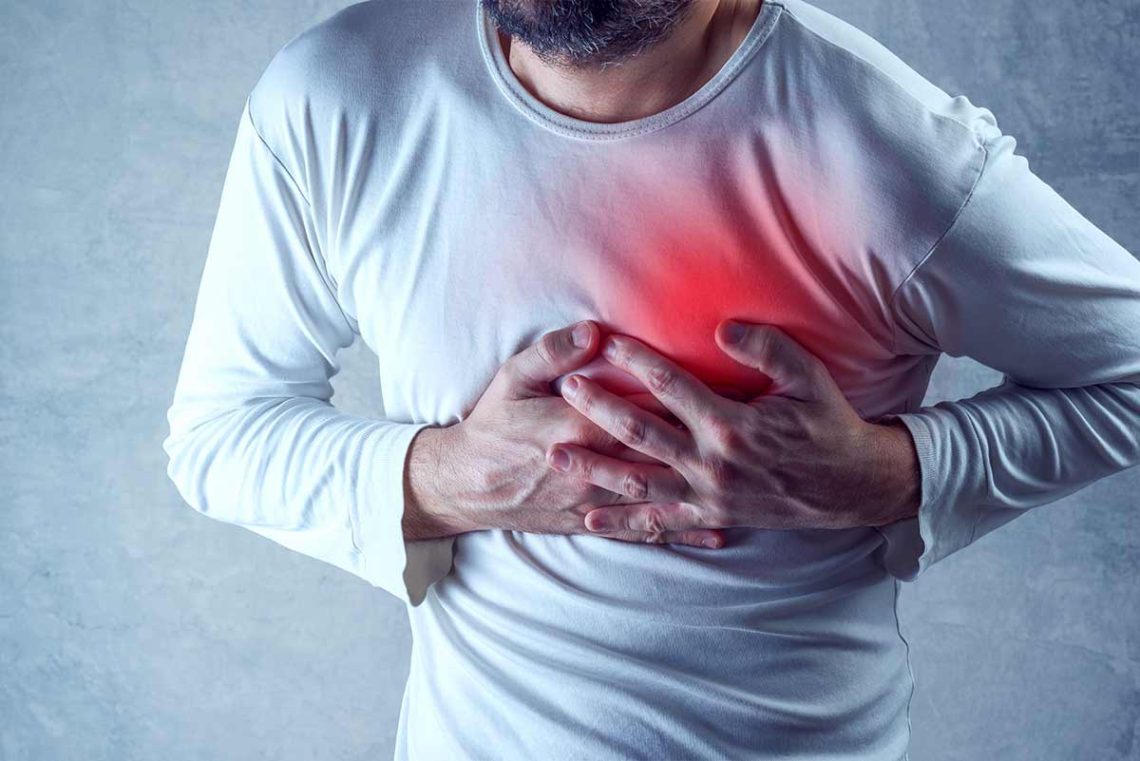
A heart attack, or myocardial infarction, usually conjures images of sudden chest pain. However, some heart attacks occur without noticeable symptoms, and are known as silent heart attacks. Despite the absence of classic warning signs, silent heart attacks are serious and can cause permanent heart damage or even be fatal. Recognizing risk factors and subtle symptoms is essential for prevention and early intervention.
What is a Silent Heart Attack?
- A silent heart attack happens when blood flow to the heart is blocked, but the person does not experience typical chest pain.
- Often discovered incidentally on an electrocardiogram (ECG), echocardiogram, or during evaluation for another condition.
- Can occur in both men and women, but is more common in older adults and people with diabetes.
Causes of Silent Heart Attacks
- Partial blockage of coronary arteries, leading to reduced blood flow without triggering pain signals.
- Nerve damage from diabetes (diabetic neuropathy), which can blunt pain perception.
- High pain tolerance or gradual onset may mask symptoms.
- Previous heart conditions or medications that alter symptom perception.
Risk Factors for Silent Heart Attacks
- Diabetes
- High blood pressure (hypertension)
- High cholesterol
- Obesity or sedentary lifestyle
- Smoking
- Age: risk increases after 50 in men and after 55 in women
- Family history of heart disease
- Chronic kidney disease
Subtle Symptoms to Watch For
Even without chest pain, silent heart attacks may present with mild or unusual symptoms, including:
- Fatigue or weakness
- Shortness of breath without exertion
- Mild discomfort in the jaw, neck, shoulder, or upper back
- Indigestion, nausea, or vomiting
- Lightheadedness or dizziness
- Sweating or clamminess
Because these symptoms can be easily overlooked or mistaken for other conditions, awareness is critical.
Diagnosis
Silent heart attacks are often detected through:
- Electrocardiogram (ECG): shows evidence of heart muscle damage
- Echocardiogram: evaluates heart function and wall motion abnormalities
- Blood tests: cardiac enzymes like troponin may indicate a recent heart attack
- Stress tests or coronary imaging in high-risk individuals
Regular check-ups are essential for at-risk populations, even if no symptoms are present.
Treatment
Once a silent heart attack is diagnosed, treatment is similar to a typical heart attack:
- Medications: aspirin, beta-blockers, statins, ACE inhibitors, or other heart-protective drugs
- Lifestyle modifications: heart-healthy diet, regular exercise, quitting smoking, stress management
- Procedures: angioplasty or stenting in cases of significant artery blockage
- Cardiac rehabilitation: structured program to restore heart health
Prevention
- Control diabetes, hypertension, and cholesterol through medication and lifestyle changes
- Regular physical activity to improve cardiovascular health
- Healthy diet: rich in fruits, vegetables, whole grains, and lean proteins
- Quit smoking and limit alcohol intake
- Routine screenings for high-risk individuals
Conclusion
Silent heart attacks are dangerous because they often go unnoticed, delaying treatment and increasing the risk of heart damage. Even without chest pain, subtle symptoms like fatigue, shortness of breath, mild discomfort, and nausea may indicate a heart problem. Awareness, regular health check-ups, and risk factor management are essential for early detection, prevention, and effective treatment.
FAQs
1. What is a silent heart attack?
A heart attack that occurs without the classic chest pain, often going unnoticed.
2. Who is at higher risk for silent heart attacks?
People with diabetes, high blood pressure, high cholesterol, older age, or previous heart disease are at higher risk.
3. What are subtle signs of a silent heart attack?
Fatigue, shortness of breath, mild jaw/neck discomfort, nausea, dizziness, and sweating can be warning signs.
4. How is a silent heart attack diagnosed?
Through ECG, echocardiogram, blood tests for cardiac enzymes, and sometimes stress tests.
5. Can silent heart attacks be prevented?
Yes, by controlling risk factors, adopting a heart-healthy lifestyle, quitting smoking, and having regular check-ups.