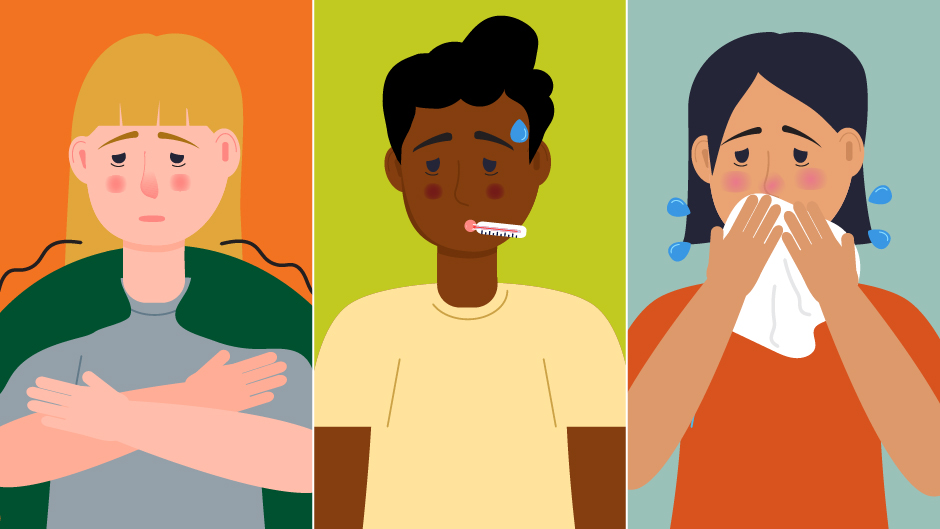
Introduction When a sore throat strikes, especially one that’s severe, comes on suddenly, or is accompanied by fever and swollen tonsils, many people wonder whether it’s strep throat—a bacterial infection caused by Group A Streptococcus (GAS). While most sore throats are viral and resolve without treatment, strep throat requires antibiotics to prevent complications and stop the spread. To confirm the diagnosis, doctors use either a Rapid Strep Test (RST) or a throat culture. Both tests involve swabbing the back of the throat but differ in speed, accuracy, and clinical use. This article breaks down the differences between a rapid strep…
-
-
Introduction Systemic lupus erythematosus (SLE), or lupus, is a complex autoimmune disease characterized by a wide range of symptoms that can affect many organs. This complexity, combined with symptom overlap with other conditions and the absence of a single definitive test, makes lupus notoriously difficult to diagnose. As a result, many patients face delays in diagnosis, misdiagnosis, or even years of uncertainty. Misdiagnosis can lead to inappropriate treatments, worsening symptoms, and significant emotional distress. Understanding why lupus is often misdiagnosed and how to pursue the right diagnosis is essential for patients and healthcare providers alike. Why Is Lupus Difficult to…
-
Introduction Living with systemic lupus erythematosus (SLE), commonly known as lupus, extends far beyond managing physical symptoms. The diagnosis of this chronic autoimmune disease often brings a profound emotional and psychological impact that can affect every aspect of a person’s life. From initial shock and uncertainty to ongoing struggles with fatigue, pain, and unpredictable flares, lupus poses significant mental health challenges. Understanding the emotional toll of lupus and learning effective coping strategies is essential for patients, families, and healthcare providers. This article explores the psychological effects of lupus, common emotional challenges, and approaches to foster resilience and improve quality of…
-
Introduction Fatigue is one of the most common and debilitating symptoms of systemic lupus erythematosus (SLE), commonly known as lupus. For many individuals living with this autoimmune disease, fatigue is more than just feeling tired—it is a deep, persistent exhaustion that interferes with daily life, work, relationships, and overall well-being. While lupus fatigue often goes unseen by others, its impact is profound. It can occur even when the disease is inactive, and it may not always correlate with physical activity or rest. Understanding the causes of fatigue in lupus and learning effective coping strategies are critical for improving quality of…
-
Introduction Systemic lupus erythematosus (SLE), commonly known as lupus, is a chronic autoimmune disease that can affect multiple organs and systems in the body. Its unpredictable nature—with periods of flares and remission—makes treatment complex. While there is no cure for lupus, significant progress has been made in managing the disease through medications that reduce inflammation, suppress the immune system, and prevent organ damage. From time-tested treatments like hydroxychloroquine to newer biologic therapies, medications play a vital role in controlling symptoms, improving quality of life, and preventing long-term complications. This article explores the most commonly used drugs in lupus treatment, their…
-
Introduction Lupus, or systemic lupus erythematosus (SLE), is an autoimmune disease in which the immune system attacks healthy tissues throughout the body. Among its most serious complications is lupus nephritis, a form of kidney inflammation caused by lupus. The kidneys play a crucial role in filtering waste and maintaining fluid balance. When lupus affects the kidneys, it can lead to significant damage, kidney failure, or even life-threatening complications if not properly managed. Understanding lupus nephritis—how to detect it, monitor its progression, and treat it effectively—is essential for patients and healthcare providers alike. This article explores the connection between lupus and…
-
Introduction Systemic lupus erythematosus (SLE), commonly known as lupus, is an autoimmune disease that can affect nearly every organ in the body, including the skin. Skin involvement is one of the most common manifestations of lupus, with approximately 70–80% of people with lupus experiencing some form of skin-related symptoms during their illness. Among these, the characteristic “butterfly rash” or malar rash is one of the most recognizable signs. This article explores the butterfly rash and other common cutaneous (skin) symptoms of lupus, explaining what they look like, why they occur, how they’re diagnosed, and how they can be managed. Understanding…
-
Introduction Lupus, or systemic lupus erythematosus (SLE), is a chronic autoimmune disease in which the immune system mistakenly attacks healthy tissues and organs. Characterized by periods of remission and flares, lupus can affect nearly every part of the body, including the skin, joints, kidneys, brain, heart, and lungs. One of the most challenging aspects of living with lupus is managing the unpredictable and often debilitating flares that mark the disease’s progression. Understanding what triggers a flare, recognizing early warning signs, and knowing how to manage them can significantly improve the quality of life for those living with lupus. What Is…
-
Introduction Pneumonia is a common respiratory infection that affects millions worldwide, making accurate diagnosis essential for timely and effective treatment. Two of the most important diagnostic tools in evaluating pneumonia are chest X-rays and sputum tests. Each plays a critical role in confirming the presence of pneumonia, identifying the causative pathogen, and guiding appropriate treatment decisions. This article explores how chest X-rays and sputum tests work, their importance in pneumonia diagnosis, and how they complement each other for accurate clinical assessment. Understanding Pneumonia Diagnosis Diagnosing pneumonia involves a combination of clinical evaluation and diagnostic testing. While symptoms like cough, fever,…
-
Introduction Pneumonia is a common lung infection affecting millions worldwide. While it can affect anyone, certain populations are at significantly higher risk for severe illness, complications, and mortality. These high-risk groups include individuals with weakened immune systems (immunocompromised), people with chronic respiratory diseases such as Chronic Obstructive Pulmonary Disease (COPD), and the elderly. Understanding the unique challenges and management needs of these groups is essential for improving outcomes and reducing hospitalizations and deaths. Why Are These Groups at Higher Risk? 1. Immunocompromised Individuals Immunocompromised patients have weakened defenses against infections due to conditions or treatments like: Their impaired immune response…