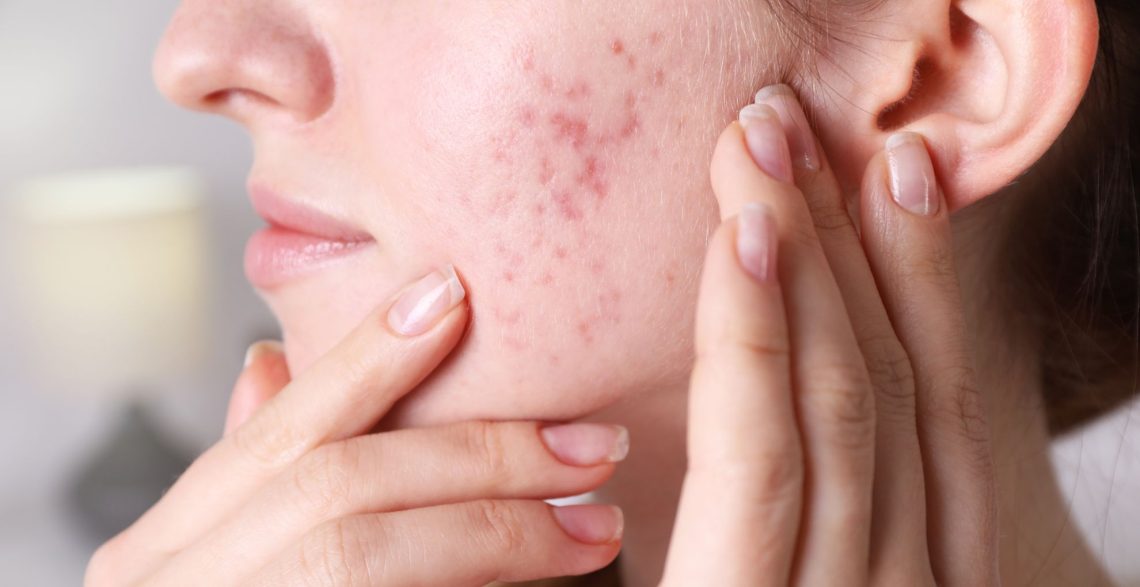
Introduction Hormonal pimples are a frustrating yet extremely common type of acne that affects both teenagers and adults. These breakouts are closely linked to fluctuations in hormones—especially androgens—which can increase oil (sebum) production and trigger inflammation. Unlike occasional pimples caused by makeup or sweat, hormonal breakouts follow predictable patterns and often return in the same areas month after month. Understanding how hormonal pimples develop, when they occur, and how to manage them can help you take control of your skin and reduce flare-ups. This article explains the hormonal cycle, common triggers, treatment options, lifestyle changes, and prevention strategies. Introduction: Why…
-
-
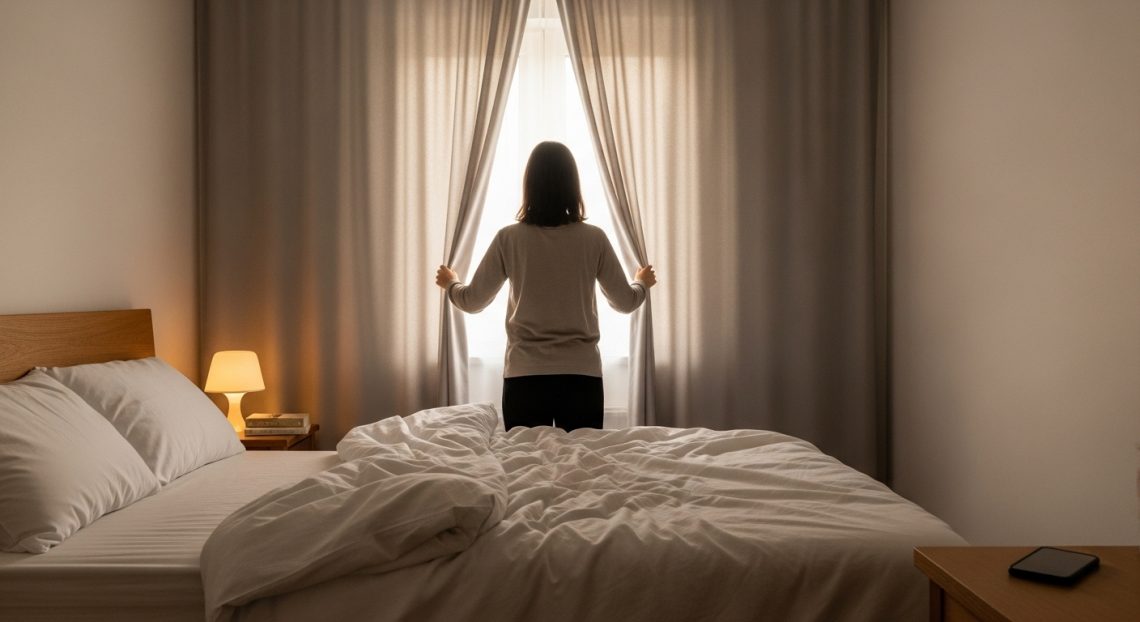
Introduction Quality sleep is essential for physical health, cognitive function, emotional well-being, and overall longevity. While bedtime routines and relaxation techniques matter, the sleep environment itself plays a crucial role. Optimizing your bedroom for sleep involves controlling light, temperature, and noise, among other factors, to promote natural circadian rhythms and uninterrupted rest. A well-designed sleep environment can help you fall asleep faster, stay asleep longer, and wake up refreshed. 1. Darkness: Harnessing the Power of Night Why Darkness Matters Tips to Maximize Darkness 2. Coolness: Creating the Ideal Temperature Why Temperature Matters Optimal Sleep Temperature Tips to Maintain Coolness 3.…
-
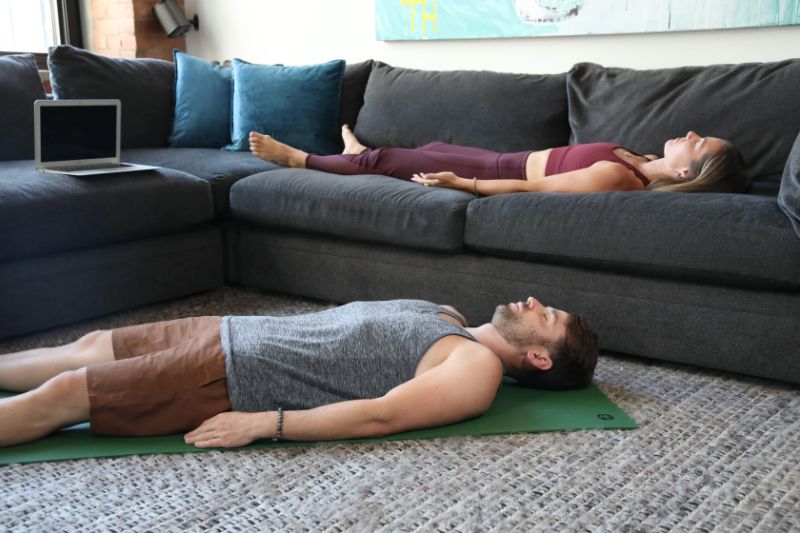
Introduction Falling asleep quickly is a challenge for many people. Stress, anxiety, overthinking, and irregular sleep schedules can delay sleep onset, reducing both sleep quality and duration. The 4-7-8 breathing technique, developed by Dr. Andrew Weil, is a simple, natural, and evidence-informed method rooted in pranayama, a traditional yogic breathing practice. This technique works by regulating breath, slowing the heart rate, and activating the parasympathetic nervous system, which promotes relaxation and readiness for sleep. Unlike medications, it is non-invasive, safe, and can be practiced anywhere. Why It Works The 4-7-8 technique uses a specific breathing ratio that impacts the autonomic…
-
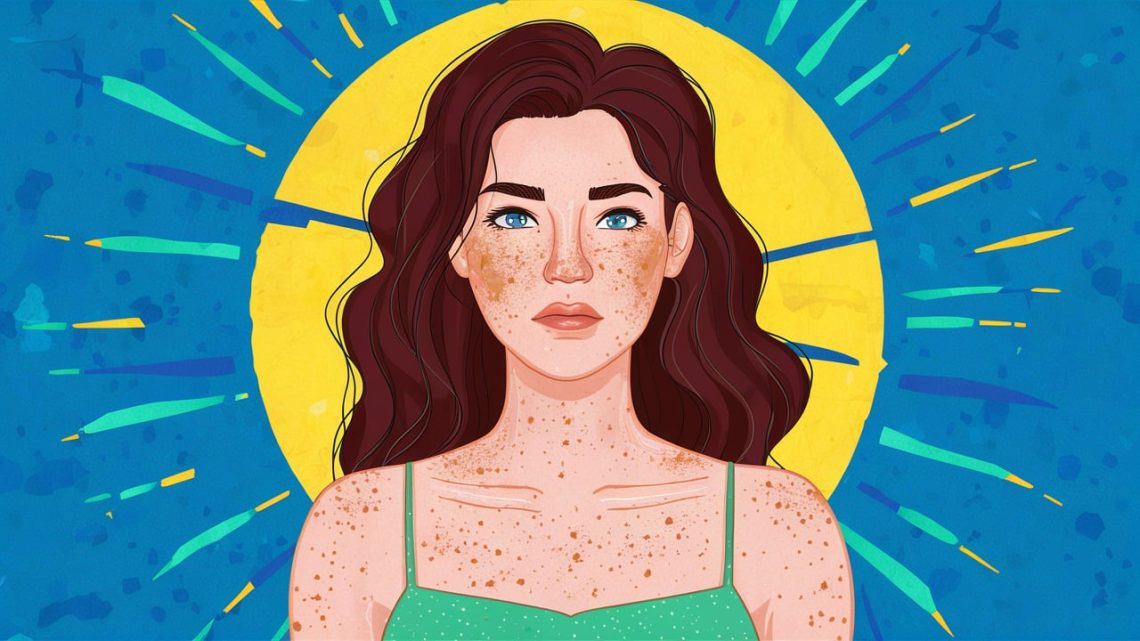
Introduction Sun allergy, medically called Polymorphic Light Eruption (PLE), is a common skin reaction to sun exposure, particularly in fair-skinned individuals. Unlike a simple sunburn, PLE is an immune-mediated response that causes itchy, red, or blistering rashes on sun-exposed areas. Though not life-threatening, it can cause significant discomfort and cosmetic concerns. Understanding triggers, symptoms, and preventive measures is key to managing PLE. Causes of Polymorphic Light Eruption Symptoms Tip: PLE rarely affects non-exposed areas like the torso or legs (unless accidentally exposed). Diagnosis Treatment and Management 1. Sun Protection 2. Topical Treatments 3. Oral Medications 4. Gradual Sun Exposure Prevention…
-
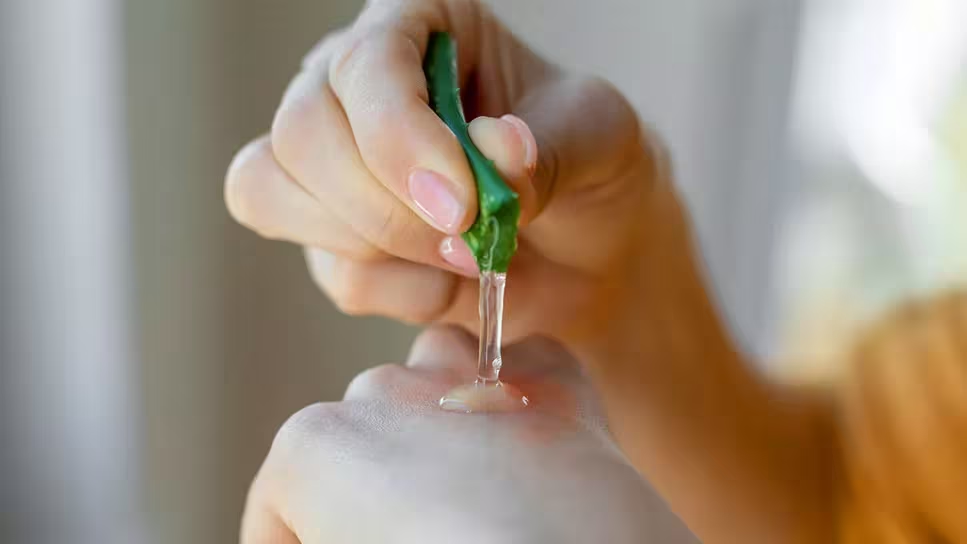
Introduction Itchy skin, medically known as pruritus, is a common symptom caused by allergic reactions, dry skin, insect bites, rashes, or underlying medical conditions. Persistent itching can lead to scratching, skin damage, infection, and discomfort. Effective relief often combines home remedies and topical treatments, including: Understanding when and how to use these therapies can ease symptoms and promote skin healing. Causes of Itchy Skin 1. Oatmeal Baths How They Work How to Use Benefits 2. Calamine Lotion How It Works How to Use Best For 3. Topical Hydrocortisone How It Works How to Use Best For Precautions Additional Tips for…
-
Introduction Rashes are a common symptom in children and adults, and while most are mild and self-limiting, some signal life-threatening conditions. Recognizing these red-flag signs can save lives and prevent severe complications. Two conditions that require urgent attention are: Early identification, prompt intervention, and understanding warning signs are crucial for effective management. 1. Stevens-Johnson Syndrome (SJS) Overview Causes Early Symptoms Progression Complications Urgent Care Actions 2. Cellulitis Overview Risk Factors Symptoms Common Locations Urgent Care Actions Red Flag Signs for Any Rash Immediate medical evaluation is required if a rash is accompanied by: General Precautions While Seeking Care Prevention Tips…
-
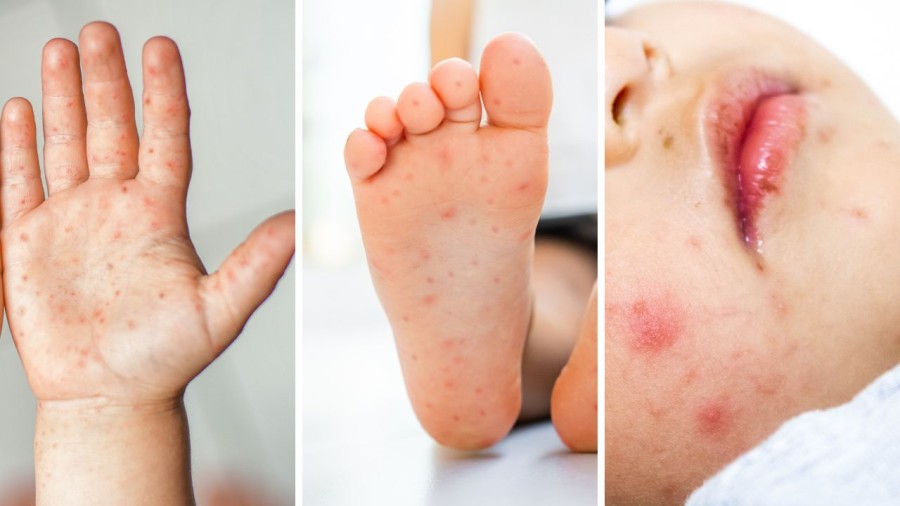
Introduction Viral rashes are a common reason for pediatric visits. They are usually caused by viral infections and often come with fever, irritability, and other systemic symptoms. While most viral rashes are mild and self-limiting, recognizing the type of rash helps in managing symptoms, preventing complications, and reducing spread. Three of the most frequent viral rashes in children include: 1. Chickenpox (Varicella) 2. Roseola (Exanthem Subitum) 3. Hand-Foot-and-Mouth Disease (HFMD) General Management of Viral Rashes in Children When to Seek Medical Attention Prevention Tips Conclusion Viral rashes like chickenpox, roseola, and hand-foot-and-mouth disease are common in children and usually self-limiting.…
-
Introduction Fungal skin infections are common, superficial infections caused by dermatophytes, a group of fungi that thrive on keratin in the skin, hair, and nails. These infections can affect any part of the body and vary in severity from mild irritation to painful, chronic conditions. Two of the most frequent infections include: Other types include jock itch, scalp ringworm, and nail fungus. While usually not life-threatening, fungal infections can spread easily and cause significant discomfort if untreated. Common Types of Fungal Skin Infections 1. Ringworm (Tinea Corporis) Tip: Ringworm often spreads rapidly in schools, gyms, and households. 2. Athlete’s Foot…
-
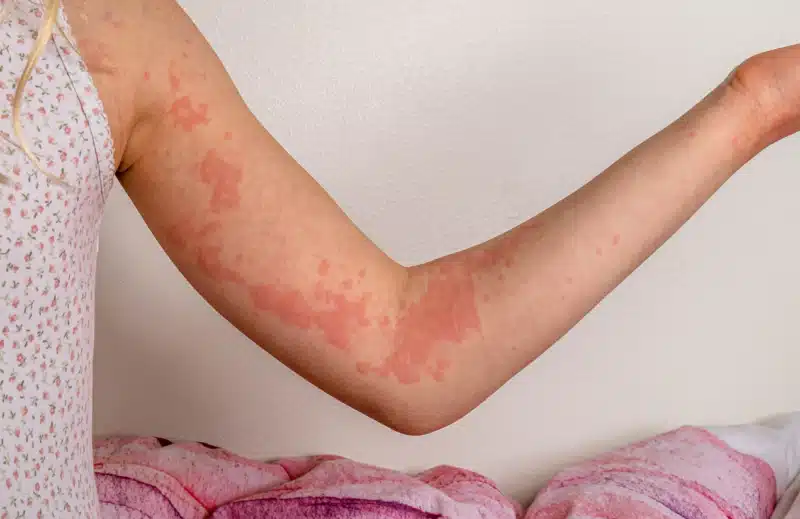
Introduction Hives, medically known as urticaria, are raised, red or pale, itchy welts on the skin. They vary in size and shape and may appear suddenly and fade within hours or persist for days. Hives are a common condition, often triggered by allergic reactions, stress, or environmental factors. While usually not life-threatening, severe cases can lead to angioedema or anaphylaxis, which require urgent medical attention. Understanding the causes, triggers, and proper use of antihistamines is essential for managing symptoms effectively. What Are Hives (Urticaria)? Common Causes of Hives 1. Allergic Reactions Mechanism: Allergens trigger histamine release, causing blood vessels to…
-
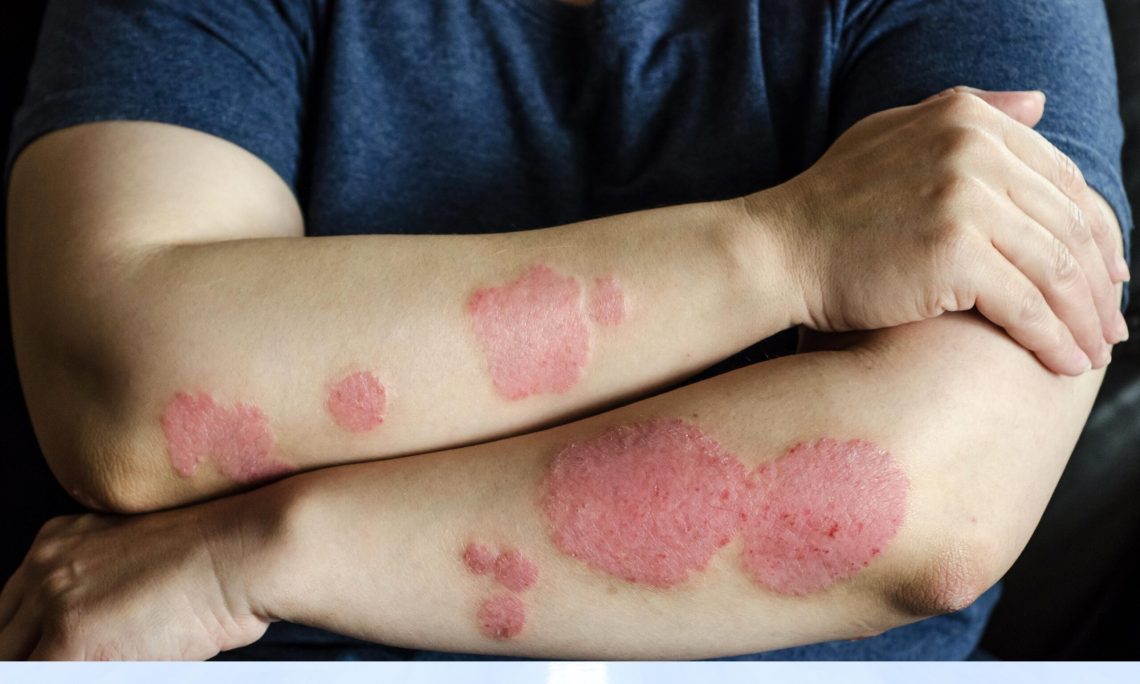
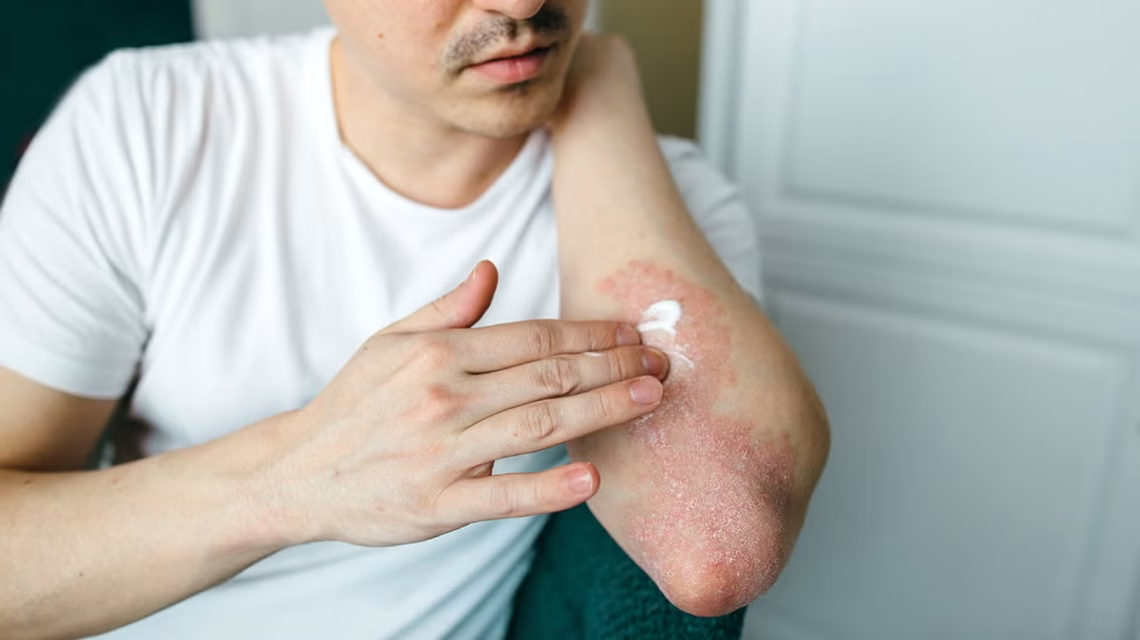
Introduction Psoriasis is a chronic, immune-mediated skin disorder characterized by rapid skin cell turnover, leading to thick, scaly plaques. It affects about 2–3% of the global population and can range from mild, localized patches to widespread, severe involvement. Beyond physical symptoms, psoriasis can impact mental health, self-esteem, and quality of life. Understanding the different types of psoriasis and treatment options helps manage symptoms effectively and reduce flare-ups. Types of Psoriasis 1. Plaque Psoriasis (Most Common) 2. Guttate Psoriasis 3. Inverse Psoriasis 4. Pustular Psoriasis 5. Erythrodermic Psoriasis Treatment Approaches Psoriasis management depends on type, severity, and location of lesions. Treatments…