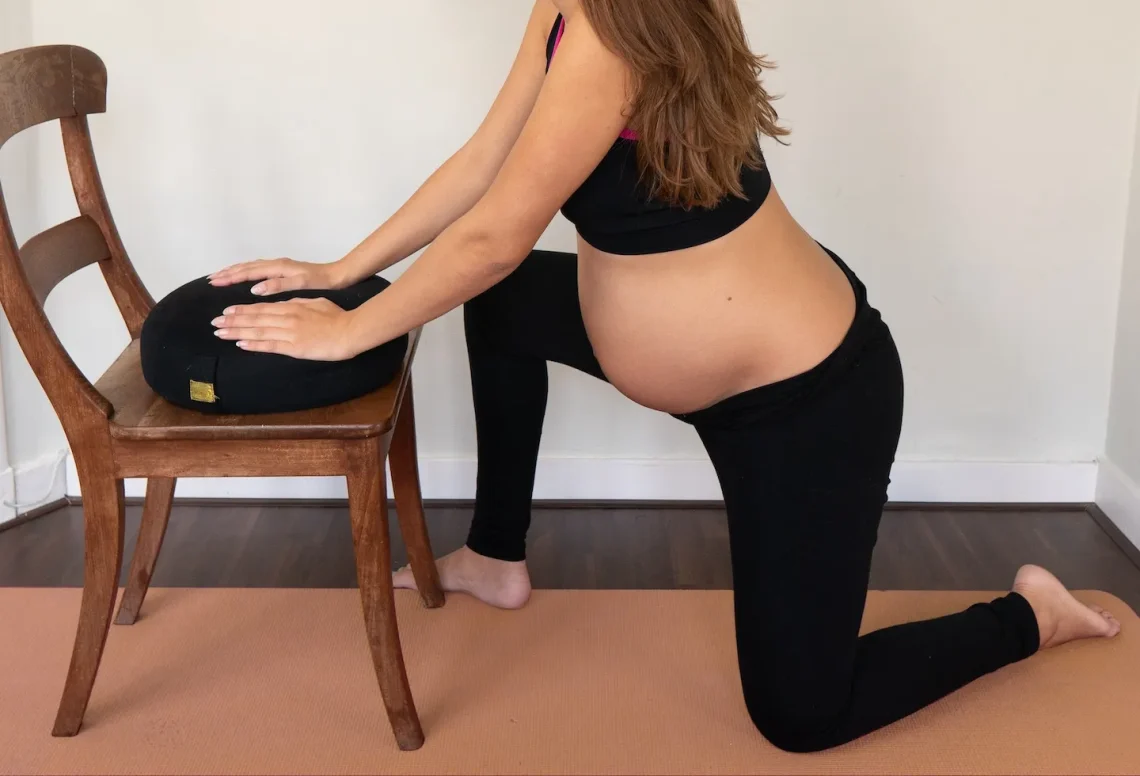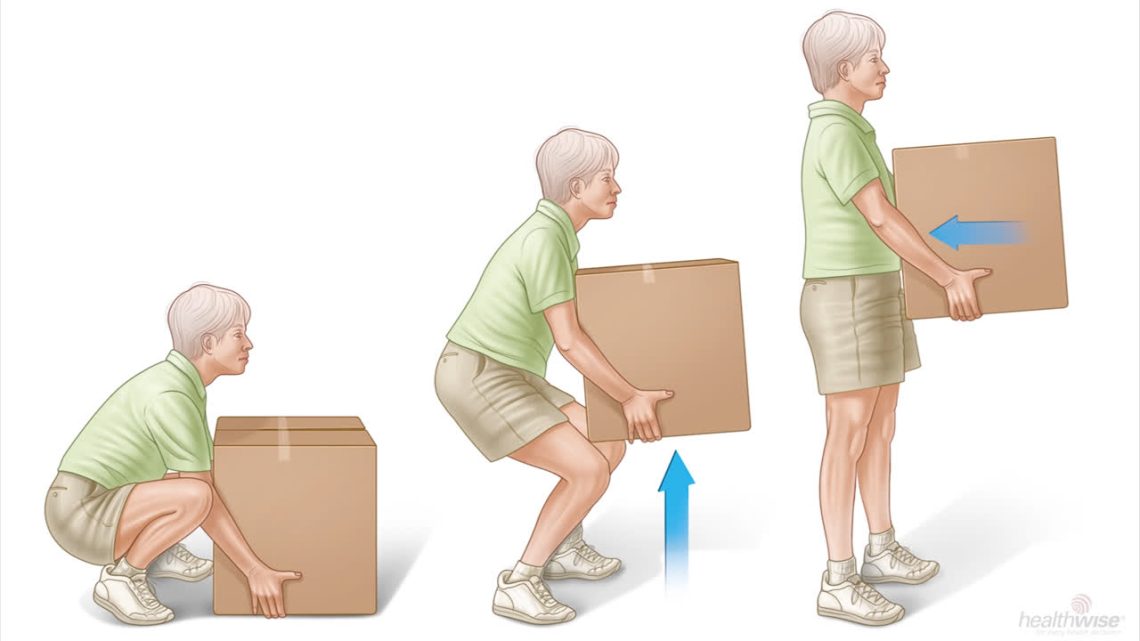
Introduction The pelvic floor is a group of muscles that support the bladder, bowel, and (in women) the uterus. These muscles play a vital role in controlling urination, bowel movements, and sexual function. Over time, factors like pregnancy, childbirth, aging, surgery, obesity, and chronic coughing can weaken the pelvic floor, leading to issues such as urinary incontinence or reduced sexual satisfaction. Pelvic floor exercises—commonly called Kegel exercises—strengthen these muscles and improve control. The best part? They’re simple, effective, and can be done anywhere without special equipment. This step-by-step guide will show men and women how to properly perform Kegels, avoid…
-
-
Introduction Weight management is not just about diet and exercise—it’s also about motivation, accountability, and emotional well-being. While individual determination plays an important role, research consistently shows that people are more successful in reaching and maintaining a healthy weight when they have a strong support system. Having people to encourage, guide, and celebrate progress with can make the journey less overwhelming and more sustainable. This article explores why a support system is essential, the types of support available, and how to build one that works for your lifestyle and goals. Why a Support System Matters in Weight Management Types of…
-
Introduction Weight loss is one of the most common health goals across the globe, yet many people struggle to achieve lasting results. Quick-fix diets, extreme exercise regimens, and unrealistic expectations often lead to short-term success followed by discouraging setbacks. True, sustainable weight loss requires more than shedding pounds quickly—it’s about creating long-term lifestyle changes that support both physical and mental well-being. At the heart of this process is setting realistic goals. When goals are practical, measurable, and personalized, they pave the way for consistent progress and lasting success. Why Setting Realistic Goals Matters Many people begin their weight loss journey…
-
Introduction Body Mass Index (BMI) is a widely used tool to assess whether an individual has a healthy body weight for their height. It is a simple calculation that helps categorize weight status, often used in medical and public health settings. However, while BMI offers a quick snapshot of weight relative to height, it has important limitations and does not tell the full story about an individual’s health. This article explains how BMI is calculated, its uses, and the key limitations to be aware of. What is BMI? BMI is a numerical value derived from a person’s weight and height,…
-
Introduction Stroke rehabilitation is a critical phase in the recovery process, aimed at helping survivors regain as much independence and quality of life as possible. Since strokes often impair movement, communication, and daily functioning, a multidisciplinary approach involving physical therapy, occupational therapy, and speech therapy is essential. This article explores these key therapies, their goals, methods, and benefits in supporting stroke survivors. Physical Therapy (PT) Purpose Physical therapy focuses on restoring mobility, strength, balance, and coordination. It addresses muscle weakness or paralysis caused by brain damage and helps prevent complications like joint stiffness and muscle contractures. Common Interventions Benefits Occupational…
-
Introduction Exercise is essential for good health, but for people with exercise-induced asthma (also called exercise-induced bronchoconstriction), physical activity can trigger coughing, wheezing, and shortness of breath. This doesn’t mean you have to avoid exercise—by understanding your condition and using the right prevention and management strategies, you can stay active while keeping symptoms under control. What Is Exercise-Induced Asthma? Exercise-induced asthma (EIA) occurs when physical activity causes the airways to temporarily narrow, making it harder to breathe. It often happens during or shortly after exercise and is more common in people with asthma, but can also occur in individuals without…
-
Introduction Exercise is a cornerstone of diabetes management. It helps lower blood sugar, improve insulin sensitivity, support weight loss, and reduce the risk of cardiovascular complications. Whether you have Type 1, Type 2, or prediabetes, incorporating regular physical activity can greatly enhance your health and quality of life. This guide outlines safe, effective, and practical exercise recommendations for people with diabetes. Benefits of Exercise for Diabetes How Exercise Affects Blood Sugar During exercise, your muscles use glucose for energy, which can lower blood sugar levels. However, the effect depends on the type, intensity, and duration of the activity. Types of…
-
Introduction Arthritis, a group of conditions characterized by joint inflammation and degeneration, affects millions worldwide, leading to pain, stiffness, and limited mobility. While medications and lifestyle changes are critical components of arthritis management, physical therapy (PT) plays a pivotal role in reducing symptoms, improving function, and enhancing quality of life. This article explores how physical therapy helps manage arthritis, the techniques used, benefits, and how to work with a physical therapist effectively. Understanding Arthritis and Its Impact on the Body Arthritis encompasses many forms, with osteoarthritis (OA) and rheumatoid arthritis (RA) being the most common. Both result in joint damage,…
-
Introduction Living with arthritis doesn’t mean giving up on movement—in fact, regular physical activity is one of the most effective ways to manage arthritis pain and maintain joint function. The key is choosing the right kinds of exercises that support your joints rather than strain them. Joint-friendly exercises can reduce stiffness, improve strength and flexibility, and boost overall well-being, without worsening symptoms. This article explores the top exercises for arthritis pain relief, why they work, how to get started safely, and practical tips for incorporating them into your routine. Why Exercise Is Important for Arthritis Contrary to the belief that…
-
Introduction Bronchitis, whether acute or chronic, inflames the bronchial tubes and restricts airflow, making breathing difficult. Along with medical treatment, breathing exercises can be an effective way to reduce symptoms, improve lung capacity, and promote easier breathing. These exercises help clear mucus, increase oxygen intake, and strengthen respiratory muscles—key benefits for those dealing with bronchitis. This article explores proven breathing exercises that can help ease discomfort and improve overall lung health. Why Breathing Exercises Help with Bronchitis When bronchial tubes are inflamed, airflow is limited, and mucus buildup makes breathing harder. Breathing exercises: Precautions Before You Start Best Breathing Exercises…