• Blog - Health Issues

    Incontinence Products: Choosing the Right Pads, Underwear, Devices

    Introduction Urinary incontinence affects millions of people worldwide, making daily activities stressful and sometimes embarrassing. While medical evaluation and treatment are important, incontinence products can provide immediate support, protect clothing, and improve confidence. With a wide variety of pads, protective underwear, and medical devices available, choosing the right option depends on the type and severity of incontinence, lifestyle, and personal comfort. This guide explains the different types of products, their uses, and tips for selecting what works best for you. Types of Incontinence Products 1. Absorbent Pads 2. Protective Underwear 3. External Catheters and Devices 4. Bed and Furniture Protection…


  • Blog - Health Issues

    Focusing on Health at Every Size (HAES): Movement Principles

    Introduction For decades, weight loss has been viewed as the central measure of health, with medical advice often centered on dieting, calorie restriction, and achieving a “healthy” body size. However, a growing body of research challenges this weight-centric approach, suggesting that health is not defined solely by numbers on a scale. Instead, the Health at Every Size (HAES) movement promotes a holistic framework that emphasizes overall well-being, self-acceptance, and sustainable health behaviors—regardless of body size or weight. HAES is not about denying the health risks associated with obesity; rather, it aims to reduce weight stigma while focusing on long-term, achievable…

  • Blog - Health Issues

    Addressing Weight Bias and Stigma in Healthcare

    Introduction Obesity and overweight affect millions of people worldwide, but those living with higher body weights often face more than just physical health challenges—they also encounter weight bias and stigma. In healthcare settings, this can result in patients feeling judged, dismissed, or overlooked, which may prevent them from seeking medical care. Addressing weight bias is not just about kindness; it’s a matter of improving health outcomes, trust, and equality in medical treatment. What is Weight Bias and Stigma? In healthcare, these biases may show up as: The Impact of Weight Bias in Healthcare How Healthcare Professionals Can Address Weight Bias…

  • Blog - Fitness & Exercise - Health Issues

    Building a Support System for Weight Management

    Introduction Weight management is not just about diet and exercise—it’s also about motivation, accountability, and emotional well-being. While individual determination plays an important role, research consistently shows that people are more successful in reaching and maintaining a healthy weight when they have a strong support system. Having people to encourage, guide, and celebrate progress with can make the journey less overwhelming and more sustainable. This article explores why a support system is essential, the types of support available, and how to build one that works for your lifestyle and goals. Why a Support System Matters in Weight Management Types of…

  • Blog - Health Issues

    Medical Interventions for Obesity: Medication Options Explained

    Introduction Obesity is a complex, chronic health condition that affects millions worldwide. It is not merely about weight gain—it is associated with serious health risks such as type 2 diabetes, heart disease, hypertension, sleep apnea, and certain cancers. While lifestyle modifications such as a balanced diet, exercise, and behavioral therapy remain the foundation of weight management, some individuals may require additional support to achieve and maintain weight loss. For people who struggle despite consistent efforts, medication can play a vital role in obesity treatment. This article explores the most commonly prescribed weight-loss medications, how they work, and important considerations for…

  • Blog - Health Issues

    Health Risks of Obesity: Beyond Weight (Diabetes, Heart Disease, Cancer)

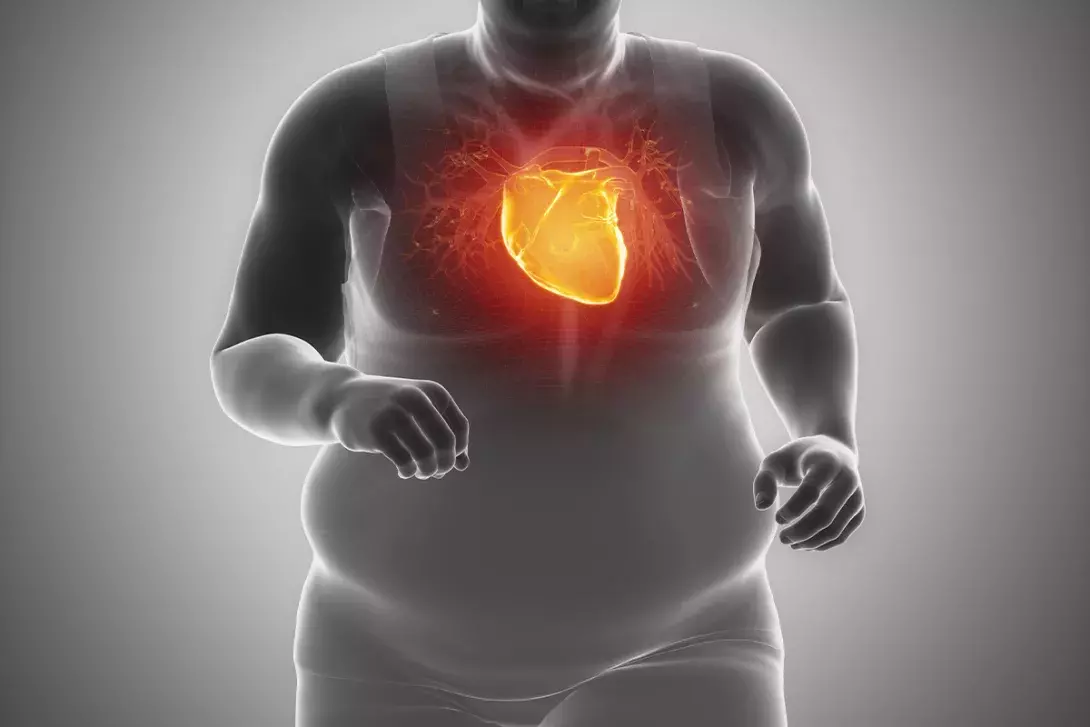
    Introduction Obesity is more than just carrying excess weight; it’s a complex health condition that significantly increases the risk of multiple serious diseases. Worldwide, obesity rates have surged, leading to a greater burden of chronic illnesses such as type 2 diabetes, cardiovascular disease, and certain cancers. Understanding these health risks helps emphasize the importance of the prevention and management of obesity for overall well-being. Obesity and Type 2 Diabetes Connection Health Implications Obesity and Heart Disease Mechanisms Additional Factors Obesity and Cancer Increased Risk of Several Cancers Impact on Treatment and Prognosis Other Health Risks Associated with Obesity Preventing and…

  • Blog - Diseases & Conditions - Health Issues

    The Role of Clot-Busting Drugs (tPA) and Thrombectomy

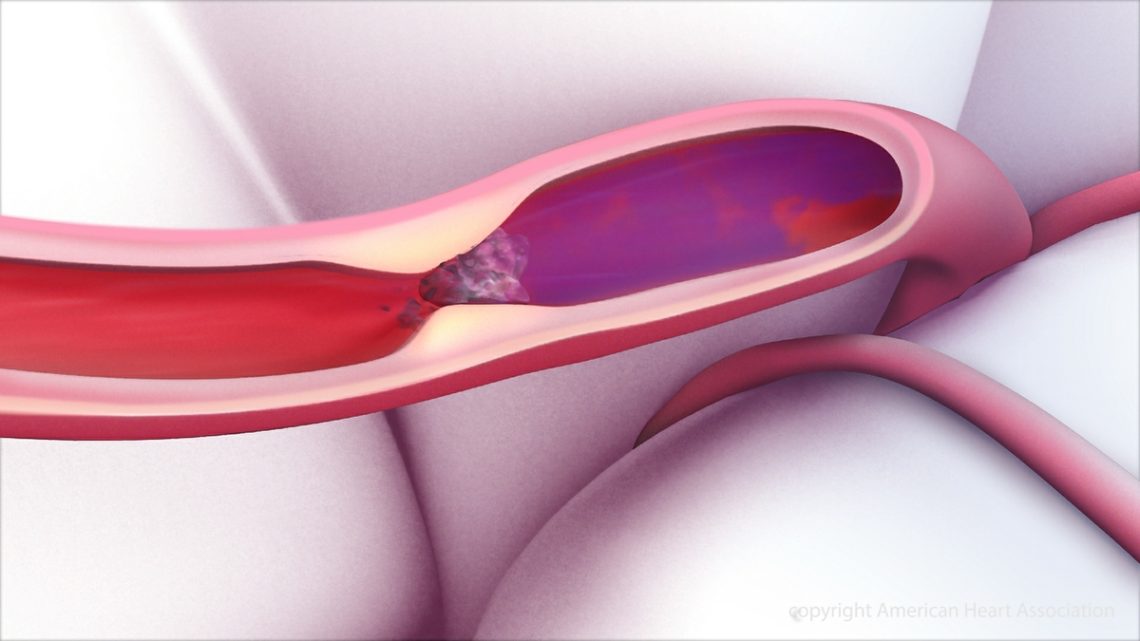
    Introduction Stroke is a leading cause of disability and death worldwide. Prompt restoration of blood flow to the brain is critical in ischemic stroke, the most common type of stroke caused by a blood clot blocking a brain artery. Two highly effective treatments—clot-busting drugs (thrombolytics) and mechanical thrombectomy—have revolutionized stroke care by reopening blocked vessels and improving patient outcomes. This article explains how these treatments work, when they are used, and their importance in saving brain tissue. Clot-Busting Drugs: Tissue Plasminogen Activator (tPA) What is tPA? tPA is a medication that dissolves blood clots by activating plasminogen, an enzyme that…

  • Blog - Diseases & Conditions - Health Issues

    Reducing Stroke Risk: Controlling Blood Pressure, Cholesterol, AFib

    Introduction Stroke is a leading cause of death and long-term disability worldwide. Fortunately, many strokes can be prevented by managing key risk factors such as high blood pressure, elevated cholesterol, and atrial fibrillation (AFib). Understanding how these factors contribute to stroke and learning effective control strategies is vital for reducing your risk and protecting brain health. The Role of Blood Pressure in Stroke Risk Why Blood Pressure Matters High blood pressure (hypertension) is the single most important modifiable risk factor for both ischemic and hemorrhagic strokes. Elevated pressure damages artery walls, accelerates atherosclerosis, and increases the risk of vessel rupture.…

  • Blog - Diseases & Conditions - Health Issues

    Act FAST: Recognizing the Signs of Stroke (Face, Arms, Speech, Time)

    Introduction A stroke is a medical emergency that occurs when blood flow to part of the brain is interrupted or reduced, depriving brain tissue of oxygen and nutrients. Rapid recognition and treatment are crucial to minimize brain damage and improve outcomes. The acronym FAST helps people quickly identify the most common signs of stroke and understand the urgency of seeking medical help. What Does FAST Stand For? F – Face Drooping A – Arm Weakness S – Speech Difficulty T – Time to Call Emergency Services Additional Signs and Symptoms of Stroke Why Acting FAST Matters Brain Damage Treatment Window…

  • Blog - Diseases & Conditions - Health Issues

    Recognizing and Managing an Asthma Attack

    Introduction An asthma attack, also called an exacerbation, occurs when the airways suddenly become more inflamed and narrow, making it difficult to breathe. Recognizing the signs early and responding quickly can prevent the attack from worsening and reduce the risk of serious complications. This article explains how to identify asthma attacks, what triggers them, and how to manage them effectively. Recognizing an Asthma Attack Common Signs and Symptoms Common Triggers of Asthma Attacks Immediate Steps to Manage an Asthma Attack Step 1: Stay Calm Step 2: Follow Your Asthma Action Plan Step 3: Sit Upright Step 4: Monitor Symptoms Step…