• Blog - Health Issues

    The Link Between Heart Health and Brain Health

    Introduction For decades, heart health and brain health were often treated as separate medical concerns. However, modern research has revealed a strong connection between the two. The brain relies on a healthy cardiovascular system to supply oxygen and nutrients through blood flow. When the heart is not functioning properly, the brain’s health can suffer, leading to an increased risk of cognitive decline, stroke, and dementia. Understanding this link empowers us to make lifestyle and medical choices that benefit both the heart and the brain. 1. How the Heart and Brain Are Connected The brain is one of the most energy-demanding…


  • Blog - Health Issues

    Caring for Someone with Alzheimer’s: Strategies, Support, and Self-Care

    Introduction Caring for someone with Alzheimer’s disease is a journey filled with emotional, physical, and practical challenges. Alzheimer’s not only affects memory and cognition but also gradually diminishes a person’s ability to carry out everyday tasks. As the disease progresses, caregivers often find themselves managing everything from medications and appointments to mood swings and personal hygiene, often without adequate support or training. Whether you’re a spouse, adult child, friend, or professional caregiver, the demands can be overwhelming—but they don’t have to be faced alone. With the right strategies, support systems, and a strong emphasis on self-care, caregivers can provide high-quality…

  • Blog - Diseases & Conditions - Health Issues

    Risk Factors for Alzheimer’s: Genetics, Lifestyle, and Modifiable Risks

    Introduction Alzheimer’s disease, the most common form of dementia, is a progressive neurodegenerative condition that leads to memory loss, cognitive decline, and eventual loss of independence. While age is the most significant risk factor, it is not the only one. Researchers have identified a complex interplay of genetic, lifestyle, and modifiable risk factors that contribute to an individual’s likelihood of developing Alzheimer’s. Understanding these risk factors is critical—not only for early detection and prevention strategies but also for guiding public health policies and personal health decisions. This article explores the major risk factors associated with Alzheimer’s disease, distinguishing between those…

  • Blog - Diseases & Conditions - Health Issues

    Current Alzheimer’s Treatments: Managing Symptoms & Potential New Drugs

    Introduction Alzheimer’s disease, a progressive neurodegenerative disorder, remains one of the most pressing medical and societal challenges of our time. Characterized by memory loss, cognitive decline, behavioral changes, and functional impairments, Alzheimer’s affects more than 55 million people worldwide, according to the World Health Organization. While there is no known cure for Alzheimer’s, decades of research have led to a better understanding of the disease’s pathology and the development of various treatment strategies aimed at managing symptoms and slowing progression. In recent years, breakthroughs in biomedical research have shifted the therapeutic landscape from purely symptomatic treatments to the development of…

  • Blog - Diseases & Conditions - Health Issues

    Measles in Adults: Risks and Severity

    Introduction Measles is often thought of as a childhood disease, but adults are not immune to its dangers—especially if they have never been vaccinated or previously infected. Measles in adults can be more severe than in children, with a higher likelihood of complications and longer recovery times. Global travel, declining vaccination rates, and occasional outbreaks mean that unprotected adults remain at significant risk. Why Adults Can Still Get Measles Risks of Measles in Adults 1. Increased Complication Rates 2. Higher Mortality Risk 3. Greater Impact on Daily Life Severity of Measles in Adults 1. Symptom Intensity 2. Common Adult Complications…

  • Blog - Diseases & Conditions - Health Issues

    Why Measles is So Contagious (R0 Value Explained)

    Introduction Measles is not just another childhood illness—it’s one of the most contagious diseases known to humans. Its ability to spread rapidly through communities has led to explosive outbreaks in areas with low vaccination coverage. The secret to its high transmissibility lies in a concept called R₀ (basic reproduction number). Understanding R₀ helps explain why controlling measles requires extremely high levels of immunity in a population. What is R₀ (Basic Reproduction Number)? For measles, the R₀ is estimated between 12 and 18, making it one of the highest among all infectious diseases.This means that one person with measles can infect…

  • Blog - Diseases & Conditions - Health Issues

    Measles Complications: Pneumonia, Encephalitis, SSPE

    Introduction Measles is a highly contagious viral infection caused by the measles virus (a member of the Paramyxoviridae family). While most cases resolve within a couple of weeks, measles is far from harmless. The virus can weaken the immune system for several weeks or even months, leaving the body vulnerable to other infections. In some cases, measles leads to serious and potentially fatal complications. Three of the most severe are pneumonia, encephalitis, and subacute sclerosing panencephalitis (SSPE).Understanding these complications is crucial for recognizing the importance of vaccination and early medical care. Pneumonia: The Leading Cause of Measles-Related Deaths Pneumonia is…

  • Blog - Diseases & Conditions - Health Issues

    Measles Symptoms: The Rash, Fever, Cough, and Koplik’s Spots

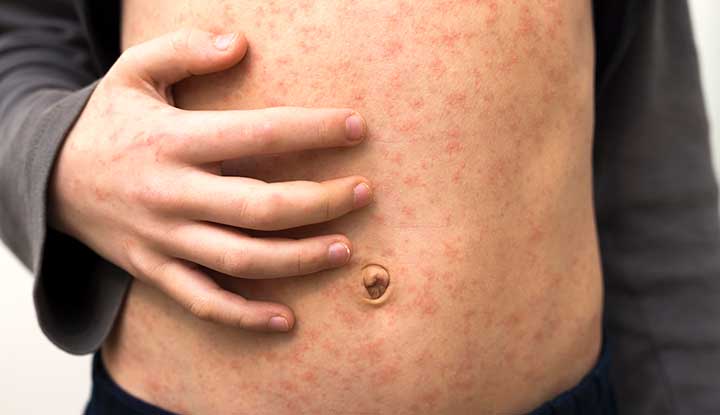
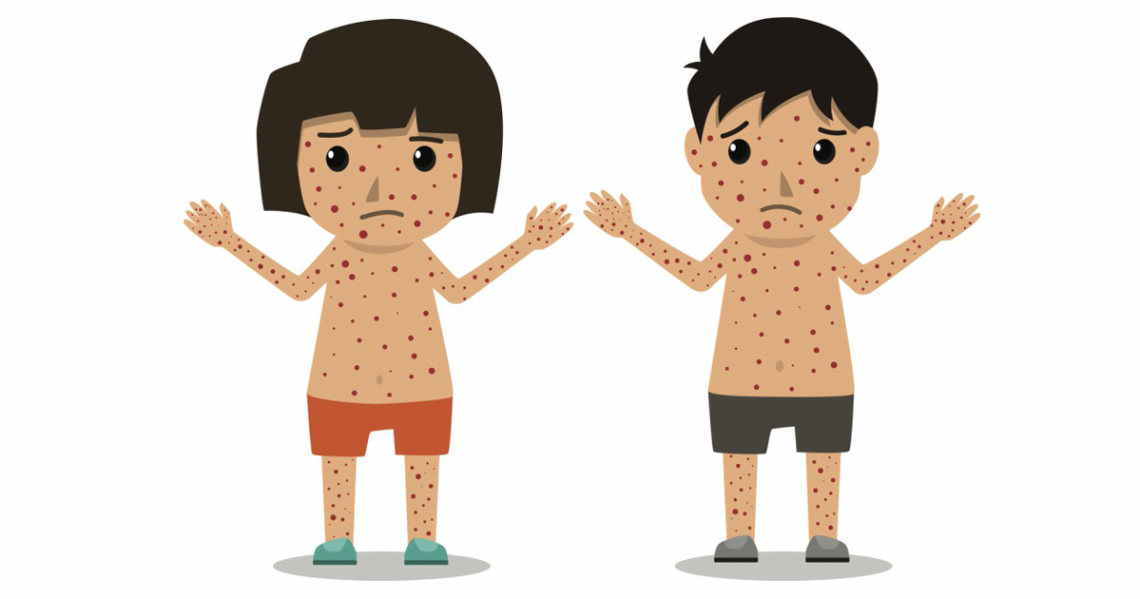
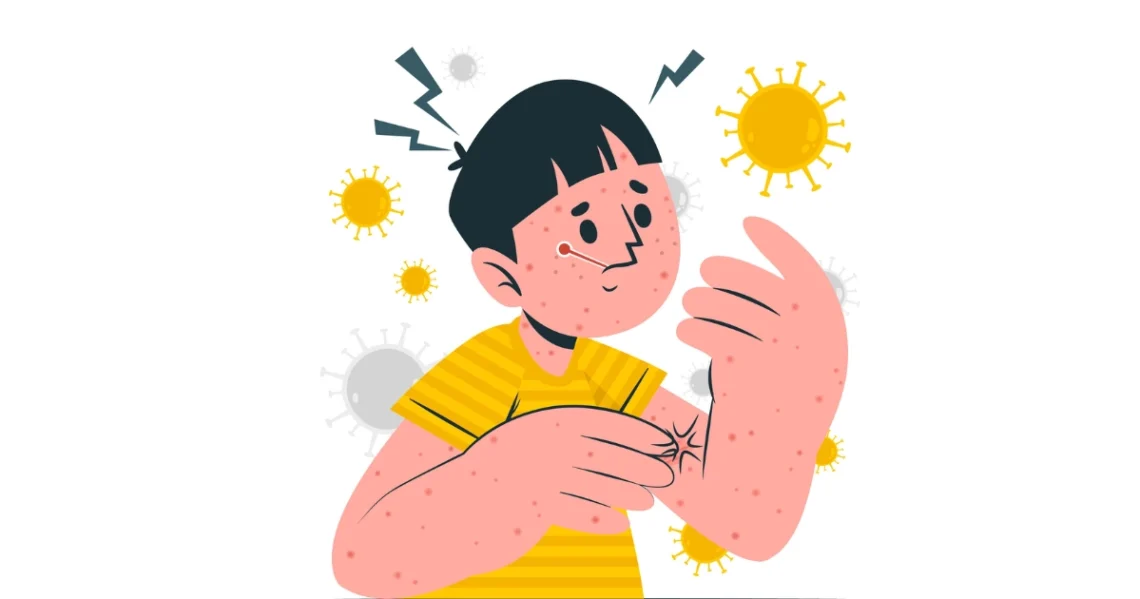
    Introduction Measles is a highly contagious viral illness that spreads through respiratory droplets and can lead to serious complications—especially in unvaccinated children and adults. While vaccines have dramatically reduced its global burden, measles outbreaks still occur, often due to low vaccination coverage. Recognizing the early and classic symptoms of measles—including the hallmark rash, fever, cough, and Koplik’s spots—can help with early diagnosis and prevent further spread. What Causes Measles? Measles is caused by the measles virus, a member of the paramyxovirus family. It spreads through: Measles is extremely contagious—up to 90% of unvaccinated people in close contact with an infected…

  • Blog - Health Issues

    COVID-19 Testing Options: PCR, Rapid Antigen, Accuracy, Timing

    Introduction Accurate and timely COVID-19 testing has been one of the most important tools in managing the pandemic. Whether you’re feeling sick, preparing for travel, or checking after exposure, knowing the right type of test, when to take it, and how to interpret the results is key. This guide breaks down the main testing options—PCR and rapid antigen tests—explaining how they work, how accurate they are, and when each is most useful. Why Testing Still Matters Even as vaccines, treatments, and public immunity evolve, testing remains essential for: Types of COVID-19 Tests COVID-19 tests fall into two main categories: 1.…

  • Blog - Health Issues

    When to Seek Emergency Care for COVID-19

    Introduction COVID-19 can range from mild to life-threatening. While many people recover at home with rest, fluids, and over-the-counter medication, others may develop symptoms that require immediate medical attention. Knowing when to seek emergency care can save lives—especially for those at higher risk of complications. This guide outlines the key warning signs of severe COVID-19 and provides guidance on what to do if emergency care is needed. Understanding the Progression of COVID-19 COVID-19 symptoms typically appear 2 to 14 days after exposure to the virus. In most cases, people experience: For some individuals, symptoms gradually improve. However, others may experience…