• Blog - Diseases & Conditions - Health Issues

    Post-Treatment Lyme Disease Syndrome (PTLDS): Symptoms & Management

    Introduction Lyme disease, caused by the Borrelia burgdorferi bacterium and spread through tick bites, is usually treatable with antibiotics. However, for some individuals, symptoms persist even after completing treatment. This condition is known as Post-Treatment Lyme Disease Syndrome (PTLDS). PTLDS can be confusing and frustrating, both for patients and healthcare providers. Though the initial infection has been treated, lingering symptoms may impact daily life. This article explores what PTLDS is, its possible causes, symptoms, diagnosis, and current management strategies. What Is Post-Treatment Lyme Disease Syndrome (PTLDS)? PTLDS refers to a set of long-lasting symptoms that continue for 6 months or…

  • Blog - Diseases & Conditions - Health Issues

    Lyme Disease Testing: Understanding Limitations and Stages

    Introduction Lyme disease is a tick-borne illness caused primarily by the bacterium Borrelia burgdorferi. While early treatment is highly effective, diagnosis can be tricky—especially if you don’t have the telltale bullseye rash. That’s where testing comes in. But Lyme disease tests aren’t always straightforward. They vary in accuracy depending on the stage of the disease, and interpreting results can be challenging. In this article, we’ll break down the types of Lyme disease tests, their limitations, and how they’re used during different stages of infection. How Lyme Disease Progresses (Why Stage Matters in Testing) Lyme disease progresses in three stages: Key…

  • Blog - Diseases & Conditions - Health Issues

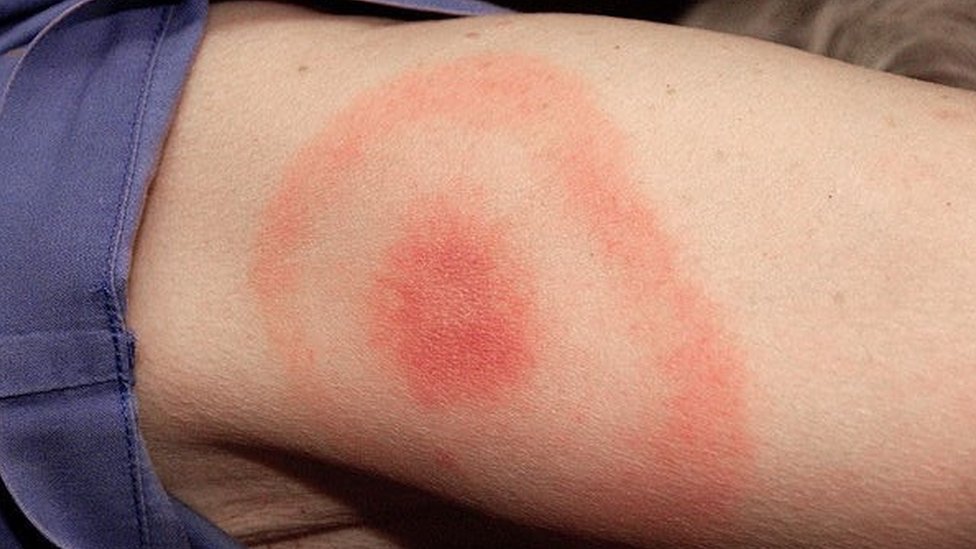
    Recognizing the Early Signs of Lyme Disease (Especially the Bullseye Rash)

    Introduction Lyme disease is a bacterial infection caused by the bite of an infected black-legged tick (also known as the deer tick). It’s most common in North America and parts of Europe, especially in wooded or grassy areas. Early recognition of Lyme disease is critical for successful treatment—and one of the most telling signs is the bullseye-shaped rash, known as erythema migrans (EM). However, not everyone develops this rash, and early symptoms can be easily mistaken for other illnesses. This article will help you understand the early warning signs, including the bullseye rash, and when to seek medical attention. What…

  • Blog - Diseases & Conditions - Health Issues

    HIV and Aging: Unique Health Considerations

    Introduction Thanks to advances in antiretroviral therapy (ART), people living with HIV are now living longer, healthier lives. In fact, more than half of all people living with HIV in many countries are over the age of 50. While this is a remarkable achievement in public health, it also introduces a new set of challenges: aging with HIV. Older adults with HIV face unique health considerations that go beyond managing the virus. These include an increased risk of age-related diseases, drug interactions, cognitive decline, and social or mental health issues. This article explores the intersection of HIV and aging, and…

  • Blog - Diseases & Conditions - Health Issues

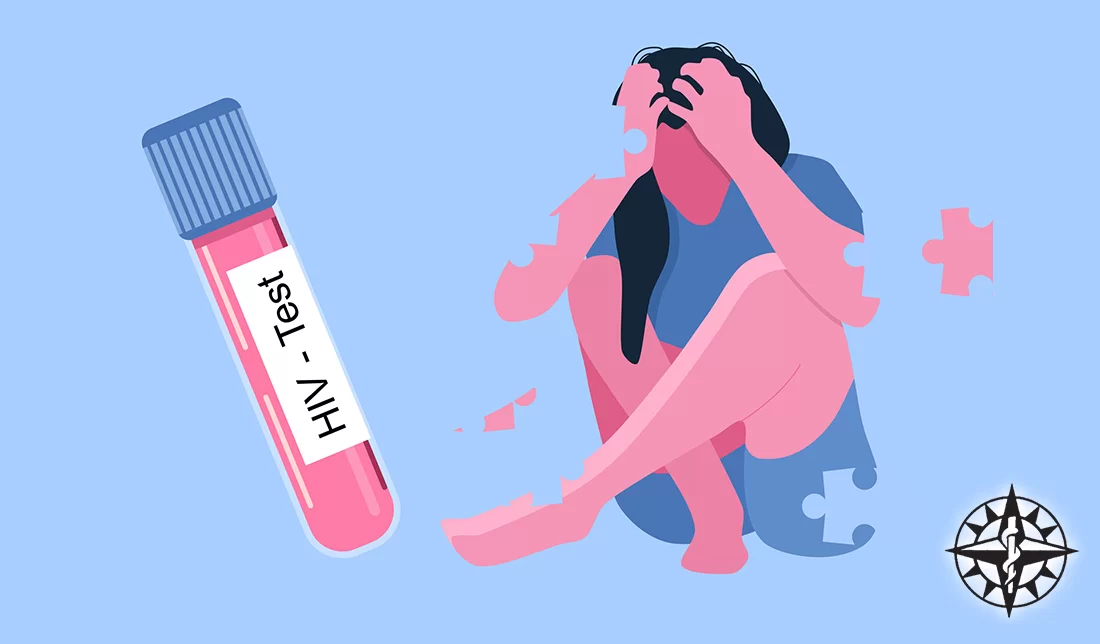
    Mental Health and HIV: Addressing Anxiety, Depression, and Stigma

    Introduction Living with HIV today is very different from it was decades ago. With the success of antiretroviral therapy (ART), HIV has become a manageable chronic condition. However, many people living with HIV still face significant mental health challenges, including anxiety, depression, and stigma. The emotional burden of an HIV diagnosis, along with societal judgment and internalized shame, can deeply affect a person’s mental well-being. Mental health is not separate from HIV care — it’s a critical part of living a healthy, fulfilling life. This article explores how HIV and mental health intersect, the impact of stigma, and practical strategies…

  • Blog - Diseases & Conditions - Health Issues

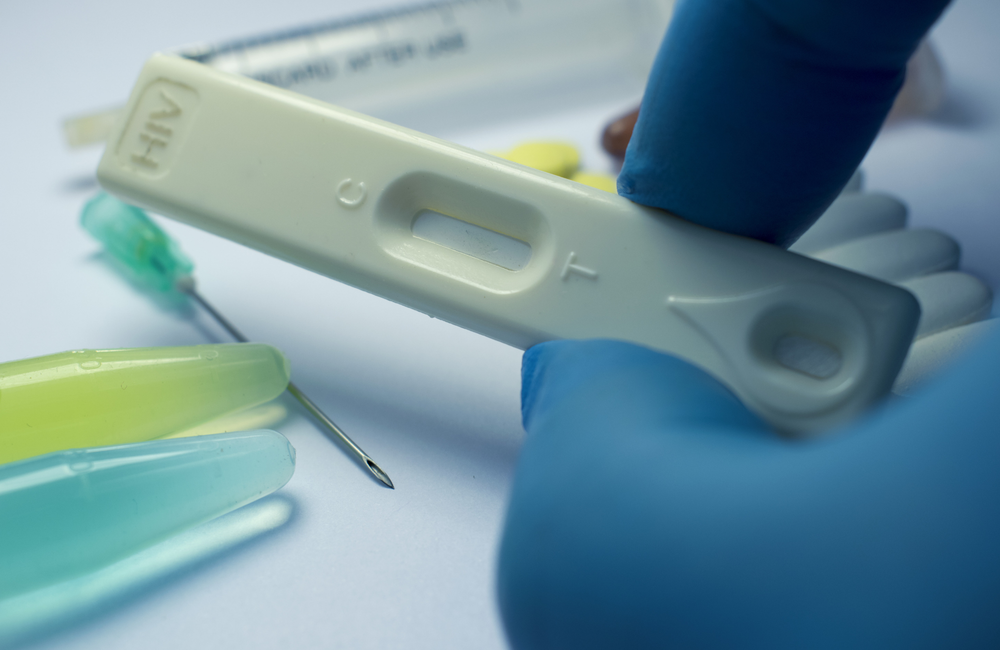
    HIV Testing: Types, Accuracy, and Where to Get Tested

    Introduction HIV testing is the first step in protecting your health and the health of others. Whether you’re sexually active, sharing needles, or simply want peace of mind, knowing your HIV status empowers you to make informed decisions. Early diagnosis leads to early treatment, which in turn improves long-term health outcomes and prevents the transmission of diseases. This guide explains the different types of HIV tests, their accuracy, when to get tested, and where to find confidential testing services. 1. Why HIV Testing Matters 2. Who Should Get Tested for HIV? According to health organizations like the CDC and WHO:…

  • Blog - Diseases & Conditions - Health Issues

    Undetectable = Untransmittable (U=U): The Science Explained

    Introduction Imagine living with HIV and knowing that you cannot pass the virus to your sexual partners. That’s the life-changing message of U=U — Undetectable = Untransmittable. Backed by years of scientific research and endorsed by major health organizations worldwide, U=U means that people living with HIV who maintain an undetectable viral load cannot sexually transmit the virus to others. This article breaks down the science behind U=U, what it means for people with HIV, and how it’s changing public health, relationships, and lives. What Does “Undetectable” Mean? When someone is on antiretroviral therapy (ART) and takes their medication consistently,…

  • Blog - Diseases & Conditions - Health Issues

    HIV Treatment (ART): How Modern Meds Turn HIV into a Chronic Condition

    Introduction Once considered a fatal diagnosis, HIV is now a manageable chronic condition—thanks to groundbreaking advances in medical treatment, especially ART (Antiretroviral Therapy). Today, with early diagnosis and consistent treatment, people living with HIV can expect to live long, healthy, and productive lives. This article explores how ART works, why it’s essential, and how modern HIV care has transformed the course of the disease. What Is ART (Antiretroviral Therapy)? Antiretroviral Therapy (ART) is the standard medical treatment for HIV. It involves taking a combination of medicines daily to suppress the virus, reduce the risk of complications, and prevent transmission to…

  • Blog - Diseases & Conditions - Health Issues

    Prediabetes: Reversing the Path to Type 2 Diabetes

    Introduction Prediabetes is a wake-up call—a warning that your blood sugar levels are higher than normal but not high enough to be classified as type 2 diabetes. The good news? Prediabetes is reversible. With timely lifestyle changes, it’s entirely possible to prevent or delay the onset of type 2 diabetes and even return blood glucose levels to a healthy range. According to the CDC, over 96 million American adults—more than 1 in 3—have prediabetes, yet more than 80% don’t know they have it. Left unchecked, many will develop full-blown type 2 diabetes within 5 to 10 years. But it doesn’t…

  • Blog - Diseases & Conditions - Health Issues

    Diabetes and Stress: How It Affects Blood Sugar and Coping Strategies

    Introduction Living with diabetes is a daily challenge that demands careful management of blood sugar levels, medication, diet, and physical activity. However, an often-overlooked factor that can significantly impact diabetes control is stress. Whether it’s due to work, relationships, finances, or the burden of managing a chronic condition, stress can cause serious disruptions in both emotional well-being and physical health—especially for people with diabetes. Stress doesn’t just affect your mood; it has physiological consequences that can spike blood glucose levels and make diabetes management more complicated. Understanding how stress influences blood sugar and learning effective coping strategies is essential for…