• Blog - Diseases & Conditions - Health Issues

    Common Cancer Treatment Options: Surgery, Chemo, Radiation, Immunotherapy

    Introduction Cancer treatment has evolved tremendously over the years, offering various options tailored to the type, stage, and characteristics of the cancer, as well as the patient’s overall health. The primary treatment modalities include surgery, chemotherapy, radiation therapy, and the more recent addition of immunotherapy. Each treatment has unique mechanisms, benefits, potential side effects, and roles in cancer care. This article provides an in-depth overview of these common cancer treatments, how they work, when they are used, and considerations for patients. 1. Surgery What is Cancer Surgery? Surgery involves the physical removal of cancerous tissue from the body. It is…

  • Blog - Diseases & Conditions - Health Issues

    Understanding Cancer Screening Guidelines (Breast, Colon, Lung, etc.)

    Introduction Cancer screening plays a vital role in early detection, improving the chances of successful treatment and survival. Different cancers have specific screening tests recommended based on evidence about who benefits most and when to start screening. Understanding these guidelines helps individuals and healthcare providers make informed decisions about timely screening and preventive care. This article provides an overview of cancer screening guidelines for some of the most common cancers: breast, colorectal, lung, cervical, and prostate. It explains who should be screened, how often, and the benefits and limitations of these screenings. Why Cancer Screening Matters General Principles of Cancer…

  • Blog - Diseases & Conditions - Health Issues

    Early Signs of Arthritis: When to Seek Evaluation

    Introduction Arthritis is a common condition affecting millions worldwide, characterized by inflammation and damage to the joints. Early detection and management are critical for slowing progression, reducing pain, and maintaining joint function. Recognizing the early signs of arthritis can lead to timely medical evaluation and better outcomes. This article details the initial symptoms of arthritis, risk factors, types of arthritis, and guidance on when to seek medical evaluation. Understanding Arthritis Arthritis refers to a group of diseases that cause joint inflammation, stiffness, pain, and loss of function. The two most common types are: Other types include psoriatic arthritis, gout, lupus-related…

  • Blog - Diseases & Conditions - Health Issues

    Weight Management and Arthritis: How Losing Weight Eases Joint Stress

    Introduction Arthritis affects millions worldwide, causing joint pain, stiffness, and limited mobility. While many treatments focus on medication and physical therapy, weight management is a powerful yet sometimes overlooked strategy in easing arthritis symptoms. Excess body weight places extra stress on weight-bearing joints like the knees, hips, and spine, accelerating joint damage and worsening pain. This article explores the connection between weight and arthritis, explains how losing weight helps reduce joint stress and inflammation, and offers practical guidance on healthy weight loss for arthritis patients. Understanding the Link Between Weight and Arthritis 1. Increased Mechanical Stress on Joints Carrying extra…

  • Blog - Diseases & Conditions - Health Issues

    Arthritis in Hands: Managing Pain, Stiffness, and Maintaining Function

    Introduction Our hands are central to everyday life—typing, cooking, buttoning a shirt, or holding a loved one’s hand. When arthritis affects the hands, it can interfere with even the simplest tasks. Whether due to osteoarthritis, rheumatoid arthritis, or another type, hand arthritis can cause pain, stiffness, swelling, and reduced grip strength. But there’s hope. With the right combination of treatments, exercises, and lifestyle adjustments, many people manage their symptoms effectively and preserve their hand function. This article covers everything you need to know about hand arthritis: causes, symptoms, treatment options, and practical tips to manage pain and stay active. Types…

  • Blog - Diseases & Conditions - Health Issues

    Thrombosed Hemorrhoids: Recognizing and Treating the Painful Complication

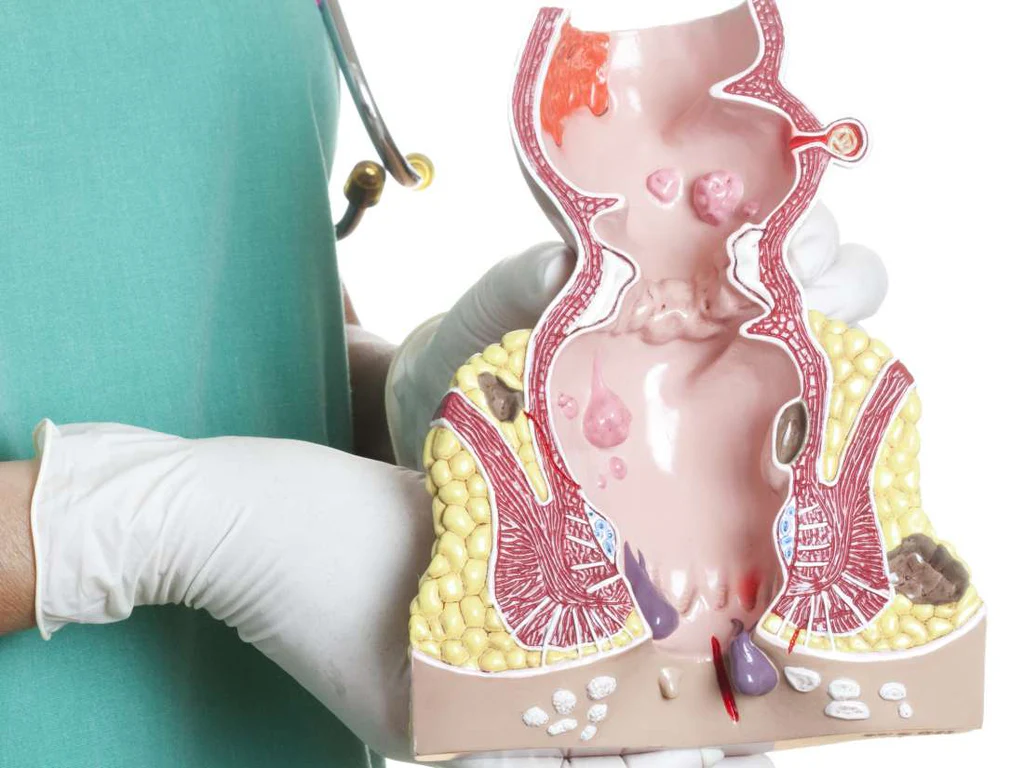
    Introduction Hemorrhoids are swollen veins in the anal canal and rectum that often cause discomfort but are usually manageable with simple treatments. However, when a hemorrhoid becomes thrombosed, it turns into a more painful and urgent condition requiring prompt attention. A thrombosed hemorrhoid occurs when a blood clot forms inside the swollen vein, leading to severe pain, swelling, and sometimes bleeding. This article explores what thrombosed hemorrhoids are, their causes, symptoms, diagnosis, and treatment options, empowering you to recognize this complication early and seek appropriate care. What Is a Thrombosed Hemorrhoid? A thrombosed hemorrhoid is an external hemorrhoid where a…

  • Blog - Diseases & Conditions - Health Issues

    Minimally Invasive Hemorrhoid Procedures (Banding, Sclerotherapy)

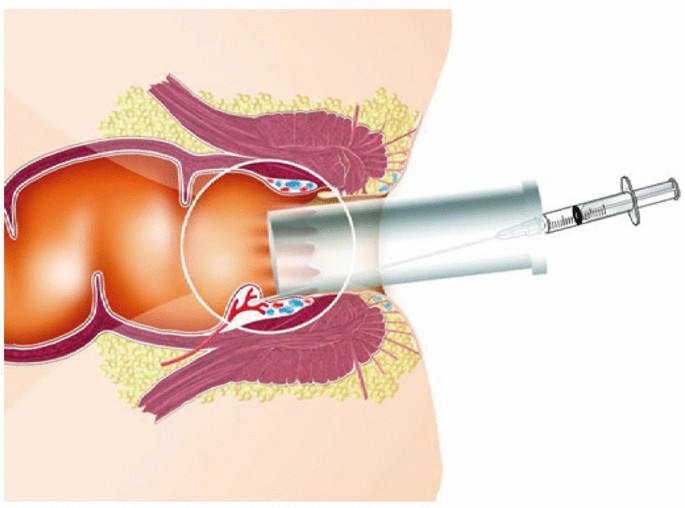
    Introduction Hemorrhoids, swollen veins in the anal and rectal region, affect millions of people globally. While many cases can be managed with lifestyle changes and home remedies, moderate to severe hemorrhoids often require medical intervention. Minimally invasive procedures have revolutionized hemorrhoid treatment, offering effective relief with less pain and quicker recovery than traditional surgery. This article explores the most common minimally invasive hemorrhoid treatments, focusing on rubber band ligation (banding), sclerotherapy, and other outpatient options. You will learn how these procedures work, who they’re for, their benefits, risks, and what to expect. Understanding Hemorrhoids and Their Treatment Hemorrhoids come in…

  • Blog - Diseases & Conditions - Health Issues

    Internal vs. External Hemorrhoids: Symptoms, Differences, and Treatments

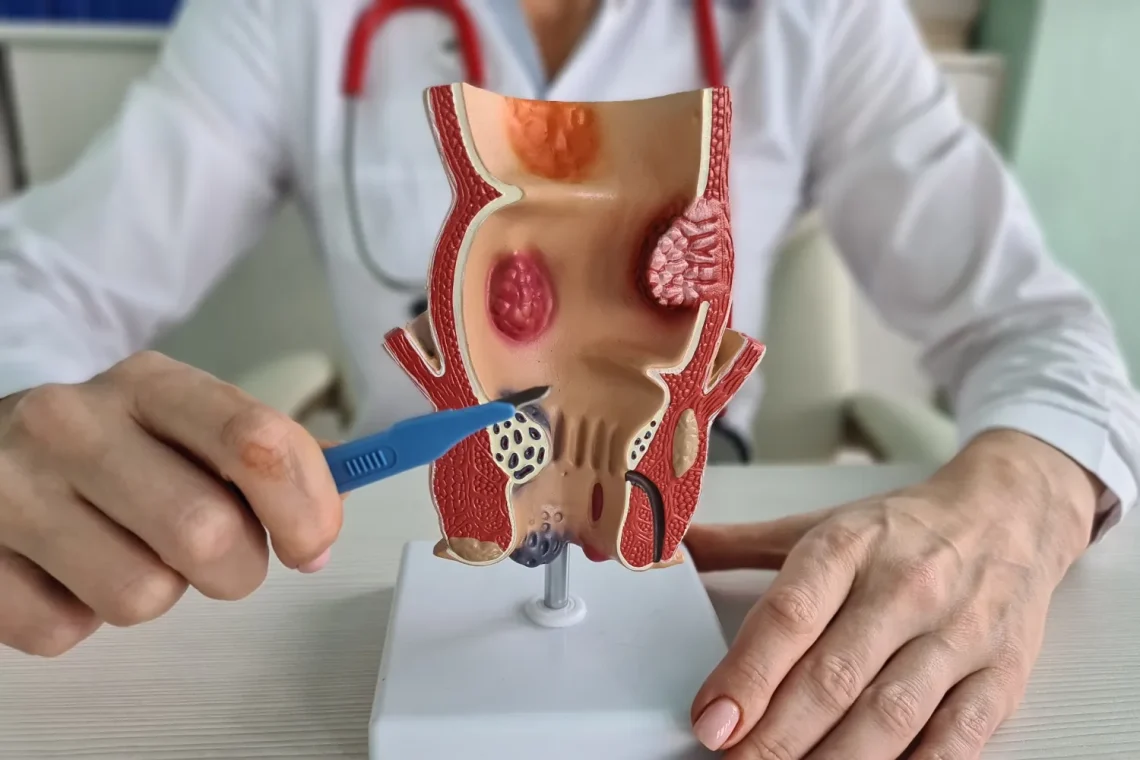
    Introduction Hemorrhoids are swollen veins in the lower rectum and anus—similar to varicose veins that can occur in the legs. They are incredibly common, affecting nearly 1 in 20 adults, and about 50% of people over age 50 experience them at some point. Hemorrhoids are typically classified as either internal or external, depending on their location. Understanding the differences between internal and external hemorrhoids is crucial for accurate diagnosis, effective treatment, and symptom relief. This article explores the key differences, common symptoms, causes, and best treatment options for both types. What Are Hemorrhoids? Hemorrhoids develop when the veins around the…

  • Blog - Diseases & Conditions - Health Issues

    Differentiating Strep from Mono (Mononucleosis)

    Introduction Sore throat, fatigue, and swollen tonsils are common symptoms of both strep throat and mononucleosis (mono)—two illnesses that often affect teenagers and young adults. Despite their similarities, these conditions are caused by different pathogens, require different treatments, and have distinct long-term implications. Misdiagnosing one for the other can delay proper care or even lead to complications. This article breaks down the key differences between strep throat and mono, covering their causes, symptoms, diagnostic tools, treatment approaches, and recovery timelines. Causes: Bacteria vs. Virus The cause matters significantly because strep throat requires antibiotics, while mono does not—it’s viral and must…

  • Blog - Diseases & Conditions - Health Issues

    Strep Throat Without a Fever: Is It Possible?

    Introduction Strep throat is widely recognized as a bacterial infection characterized by a sudden sore throat accompanied by fever, swollen lymph nodes, and white patches on the tonsils. Fever is often considered one of the hallmark symptoms. However, can you have strep throat without a fever? This question is important because missing or misinterpreting symptoms can delay diagnosis and treatment, potentially leading to complications. This article explores the possibility of strep throat without a fever, how it presents, the importance of accurate diagnosis, and what to do if you suspect you have strep throat without the classic symptom of fever.…