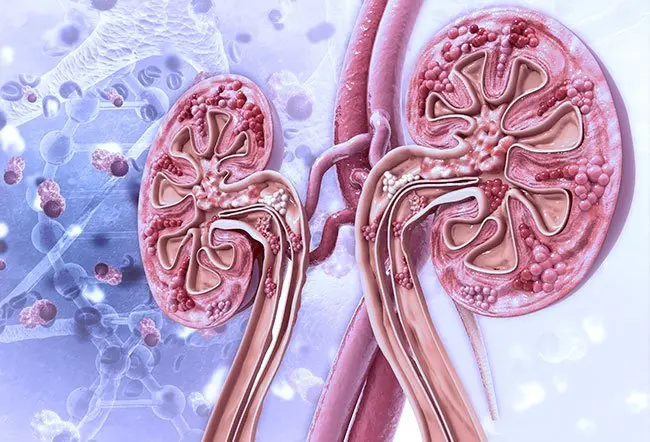
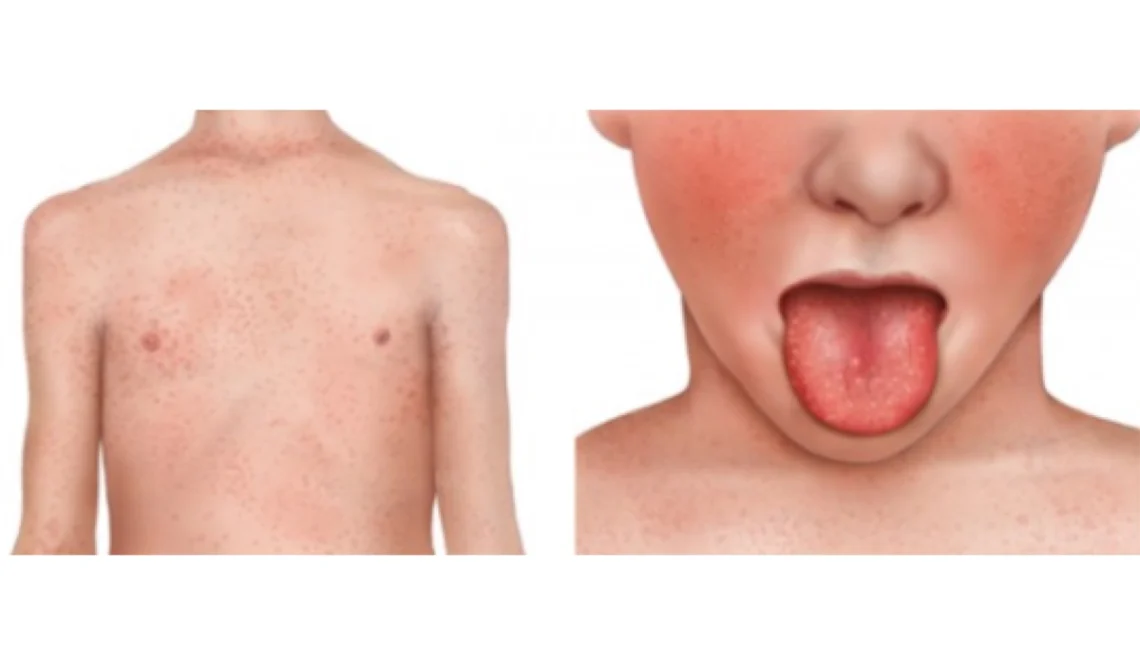
Introduction Strep throat, caused by the bacterium Group A Streptococcus (GAS), is a common infection that usually resolves quickly with proper antibiotic treatment. However, if left untreated or inadequately managed, strep throat can lead to several serious complications. These complications include scarlet fever, peritonsillar abscess, and post-streptococcal kidney issues, among others. Understanding these complications, their symptoms, and prevention is essential for timely treatment and avoiding long-term health problems. This article delves into the major complications associated with strep throat and how they can be managed. What Is Strep Throat? Strep throat is a contagious bacterial infection characterized by a sudden…
-
-
Introduction Strep throat is a common bacterial infection caused by Group A Streptococcus (GAS) that often responds well to antibiotics. However, for some individuals, especially children, strep throat keeps coming back. This condition, known as recurrent strep throat, can lead to frustration, missed school or workdays, and concerns about long-term health effects. When recurrent infections severely affect quality of life or cause complications, a surgical option called tonsillectomy—the removal of the tonsils—may be considered. This article explores the causes behind repeated strep throat infections, how they are diagnosed and managed, and when tonsillectomy becomes a reasonable choice. What Is Recurrent…
-
Introduction Strep throat is a common and highly contagious infection caused by Group A Streptococcus (GAS) bacteria. It spreads easily, particularly in schools, homes, and crowded environments, affecting children most often but also adults. While antibiotics are highly effective at treating the infection, understanding how contagious strep is—and how to stop it from spreading—is crucial for protecting yourself and others. This article explores how strep spreads, its incubation period, signs of contagiousness, and the most effective prevention strategies to contain the infection. What Is Strep Throat? Strep throat is a bacterial infection that causes inflammation in the throat and tonsils.…
-
Introduction Systemic lupus erythematosus (SLE), or lupus, is a complex autoimmune disease characterized by a wide range of symptoms that can affect many organs. This complexity, combined with symptom overlap with other conditions and the absence of a single definitive test, makes lupus notoriously difficult to diagnose. As a result, many patients face delays in diagnosis, misdiagnosis, or even years of uncertainty. Misdiagnosis can lead to inappropriate treatments, worsening symptoms, and significant emotional distress. Understanding why lupus is often misdiagnosed and how to pursue the right diagnosis is essential for patients and healthcare providers alike. Why Is Lupus Difficult to…
-
Introduction Systemic lupus erythematosus (SLE), commonly known as lupus, is a chronic autoimmune disease that primarily affects women of childbearing age. While lupus can complicate pregnancy, advances in medical care have made it possible for many women with lupus to have successful pregnancies and healthy babies. However, pregnancy in lupus requires careful planning, monitoring, and management to reduce risks to both the mother and the baby. This article explores the challenges of pregnancy with lupus, potential risks, and best practices to support a safe and healthy pregnancy journey. How Lupus Affects Pregnancy Lupus is an autoimmune condition where the immune…
-
Introduction Fatigue is one of the most common and debilitating symptoms of systemic lupus erythematosus (SLE), commonly known as lupus. For many individuals living with this autoimmune disease, fatigue is more than just feeling tired—it is a deep, persistent exhaustion that interferes with daily life, work, relationships, and overall well-being. While lupus fatigue often goes unseen by others, its impact is profound. It can occur even when the disease is inactive, and it may not always correlate with physical activity or rest. Understanding the causes of fatigue in lupus and learning effective coping strategies are critical for improving quality of…
-
Introduction Systemic lupus erythematosus (SLE), commonly known as lupus, is a chronic autoimmune disease that can affect multiple organs and systems in the body. Its unpredictable nature—with periods of flares and remission—makes treatment complex. While there is no cure for lupus, significant progress has been made in managing the disease through medications that reduce inflammation, suppress the immune system, and prevent organ damage. From time-tested treatments like hydroxychloroquine to newer biologic therapies, medications play a vital role in controlling symptoms, improving quality of life, and preventing long-term complications. This article explores the most commonly used drugs in lupus treatment, their…
-
Introduction Lupus, or systemic lupus erythematosus (SLE), is an autoimmune disease in which the immune system attacks healthy tissues throughout the body. Among its most serious complications is lupus nephritis, a form of kidney inflammation caused by lupus. The kidneys play a crucial role in filtering waste and maintaining fluid balance. When lupus affects the kidneys, it can lead to significant damage, kidney failure, or even life-threatening complications if not properly managed. Understanding lupus nephritis—how to detect it, monitor its progression, and treat it effectively—is essential for patients and healthcare providers alike. This article explores the connection between lupus and…
-
Introduction Systemic lupus erythematosus (SLE), commonly known as lupus, is an autoimmune disease that can affect nearly every organ in the body, including the skin. Skin involvement is one of the most common manifestations of lupus, with approximately 70–80% of people with lupus experiencing some form of skin-related symptoms during their illness. Among these, the characteristic “butterfly rash” or malar rash is one of the most recognizable signs. This article explores the butterfly rash and other common cutaneous (skin) symptoms of lupus, explaining what they look like, why they occur, how they’re diagnosed, and how they can be managed. Understanding…
-
Introduction Lupus, or systemic lupus erythematosus (SLE), is a chronic autoimmune disease in which the immune system mistakenly attacks healthy tissues and organs. Characterized by periods of remission and flares, lupus can affect nearly every part of the body, including the skin, joints, kidneys, brain, heart, and lungs. One of the most challenging aspects of living with lupus is managing the unpredictable and often debilitating flares that mark the disease’s progression. Understanding what triggers a flare, recognizing early warning signs, and knowing how to manage them can significantly improve the quality of life for those living with lupus. What Is…