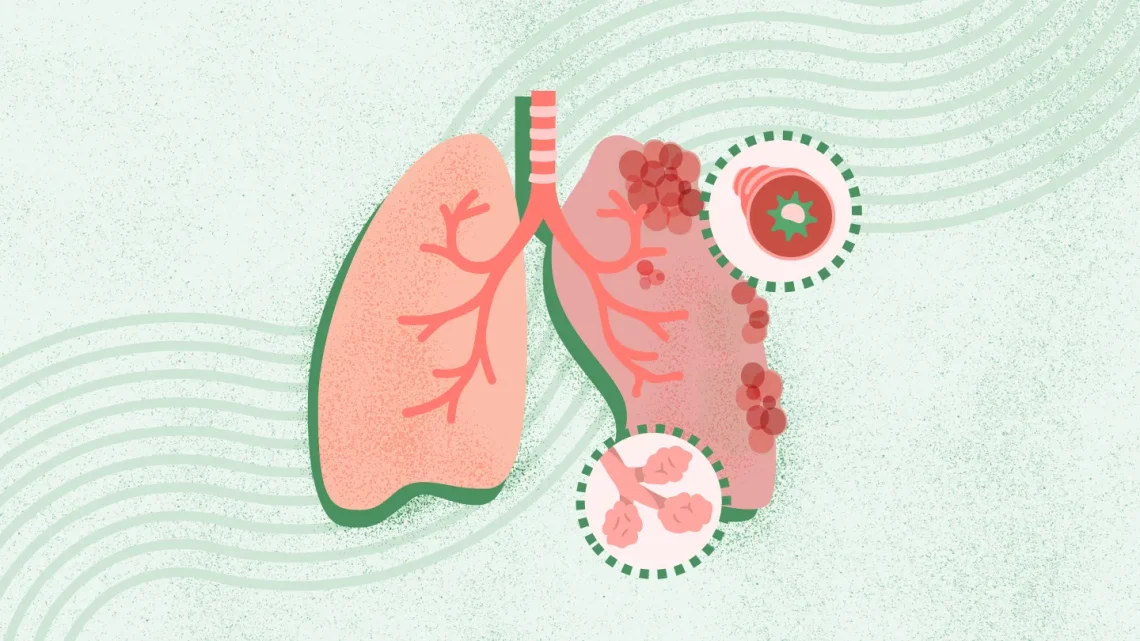
Introduction Pneumonia is a common respiratory infection that affects millions worldwide, making accurate diagnosis essential for timely and effective treatment. Two of the most important diagnostic tools in evaluating pneumonia are chest X-rays and sputum tests. Each plays a critical role in confirming the presence of pneumonia, identifying the causative pathogen, and guiding appropriate treatment decisions. This article explores how chest X-rays and sputum tests work, their importance in pneumonia diagnosis, and how they complement each other for accurate clinical assessment. Understanding Pneumonia Diagnosis Diagnosing pneumonia involves a combination of clinical evaluation and diagnostic testing. While symptoms like cough, fever,…

-
-
Introduction Pneumonia is a common lung infection affecting millions worldwide. While it can affect anyone, certain populations are at significantly higher risk for severe illness, complications, and mortality. These high-risk groups include individuals with weakened immune systems (immunocompromised), people with chronic respiratory diseases such as Chronic Obstructive Pulmonary Disease (COPD), and the elderly. Understanding the unique challenges and management needs of these groups is essential for improving outcomes and reducing hospitalizations and deaths. Why Are These Groups at Higher Risk? 1. Immunocompromised Individuals Immunocompromised patients have weakened defenses against infections due to conditions or treatments like: Their impaired immune response…
-
Introduction Pneumonia, an infection that inflames the air sacs in one or both lungs, can vary in severity from mild to life-threatening. While many patients recover fully with appropriate treatment, pneumonia can lead to serious complications that require urgent medical attention. Three of the most significant complications are sepsis, lung abscess, and pleural effusion. Understanding these complications, their symptoms, and treatment options is vital to improving outcomes and preventing long-term damage. 1. Sepsis: When Infection Spreads Through the Body What Is Sepsis? Sepsis is a life-threatening condition that arises when the body’s response to infection causes widespread inflammation, leading to…
-
Introduction Recovering from pneumonia is not always a quick process. While some people bounce back in a couple of weeks, others—especially older adults or those with chronic health conditions—may take months to regain full strength. Pneumonia can be physically draining, and returning to normal activities too soon increases the risk of complications or relapse. This article explores the pneumonia recovery timeline, why rest matters, and how to prevent setbacks for a full recovery. How Long Does Pneumonia Recovery Take? Recovery time varies based on factors such as: Typical Recovery Timeline Important: Even if symptoms improve, lungs continue healing for weeks,…
-
Introduction When you hear the word “pneumonia,” you might think of a severe lung infection that requires hospitalization. However, not all pneumonia cases are that severe. Walking pneumonia, also known as atypical pneumonia, is a milder form that often allows people to continue their daily routines—hence the name “walking.” While less intense than typical pneumonia, it still requires attention and proper treatment to prevent complications. In this article, we’ll explore what walking pneumonia is, its causes, symptoms, treatment, and why you shouldn’t ignore it. What Is Walking Pneumonia? Walking pneumonia is a type of lung infection that typically causes mild…
-
Introduction Pneumonia is a lung infection that can range from mild to life-threatening, especially for vulnerable groups like young children, older adults, and individuals with chronic health conditions. While symptoms may appear similar across all ages, subtle differences in presentation can make pneumonia harder to recognize, particularly in the elderly and infants. This article explores the key symptoms of pneumonia in adults, children, and seniors, helping you identify warning signs early and seek timely medical care. What Is Pneumonia? Pneumonia occurs when the air sacs (alveoli) in the lungs fill with fluid or pus due to an infection caused by…
-
Introduction Pneumonia is a serious lung infection that can lead to severe illness, hospitalization, and even death, particularly among infants, older adults, and people with chronic health conditions. Vaccination is one of the most effective ways to prevent pneumococcal pneumonia, a type caused by the Streptococcus pneumoniae bacteria. Two main vaccines are commonly recommended: PCV13 (Pneumococcal Conjugate Vaccine) and PPSV23 (Pneumococcal Polysaccharide Vaccine). In this article, we’ll explore the key differences between these vaccines, who needs them, when to get them, and how they protect you from serious illness. Why Pneumonia Vaccines Are Important Pneumococcal disease doesn’t just cause pneumonia—it…
-
Introduction Bronchitis is an inflammation of the bronchial tubes that carry air to and from the lungs. It can be acute, lasting a few weeks, or chronic, persisting for months or even years. Most cases of acute bronchitis are mild and resolve with rest and supportive care, while chronic bronchitis requires long-term management. However, bronchitis can sometimes progress into a serious condition, leading to severe breathing difficulties and complications like pneumonia or respiratory failure. Knowing the warning signs is crucial for getting timely medical help and avoiding life-threatening situations. Understanding Bronchitis: A Quick Overview While mild symptoms like coughing and…
-
Introduction Bronchitis, whether acute or chronic, is an inflammatory condition of the bronchial tubes that carry air to and from the lungs. While infections often cause acute bronchitis, environmental irritants are a major trigger for flare-ups, especially in individuals with chronic bronchitis or other respiratory conditions like COPD or asthma. Exposure to pollutants, chemicals, and allergens can worsen symptoms, leading to increased coughing, mucus production, and shortness of breath. This article explores the most common environmental irritants that trigger bronchitis flare-ups and offers practical tips to minimize exposure. How Environmental Irritants Affect the Lungs The bronchial tubes are lined with…
-
Introduction Chronic bronchitis is a long-term respiratory condition that falls under the category of Chronic Obstructive Pulmonary Disease (COPD). It is marked by persistent inflammation of the bronchial tubes, resulting in excess mucus, frequent coughing, and difficulty breathing. Among all the risk factors for chronic bronchitis, smoking is the leading cause, responsible for the majority of cases worldwide. Understanding this connection—and learning how to quit smoking—can significantly improve lung health and quality of life. This article explores how smoking damages the lungs, why it leads to chronic bronchitis, and effective strategies for quitting smoking. What is Chronic Bronchitis? Chronic bronchitis…