Introduction A persistent cough is one of the most common and uncomfortable symptoms of bronchitis. Whether acute or chronic, bronchitis causes inflammation in the bronchial tubes, leading to irritation, mucus buildup, and frequent coughing. While coughing helps clear mucus from the lungs, excessive coughing can disrupt sleep, cause chest discomfort, and prolong recovery. Thankfully, several home remedies and over-the-counter (OTC) options can help soothe a bronchitis cough and promote healing. This article explores effective natural remedies, safe medications, and lifestyle tips to manage a bronchitis-related cough. Why Does Bronchitis Cause Coughing? Bronchitis occurs when the lining of the bronchial tubes…

-
-
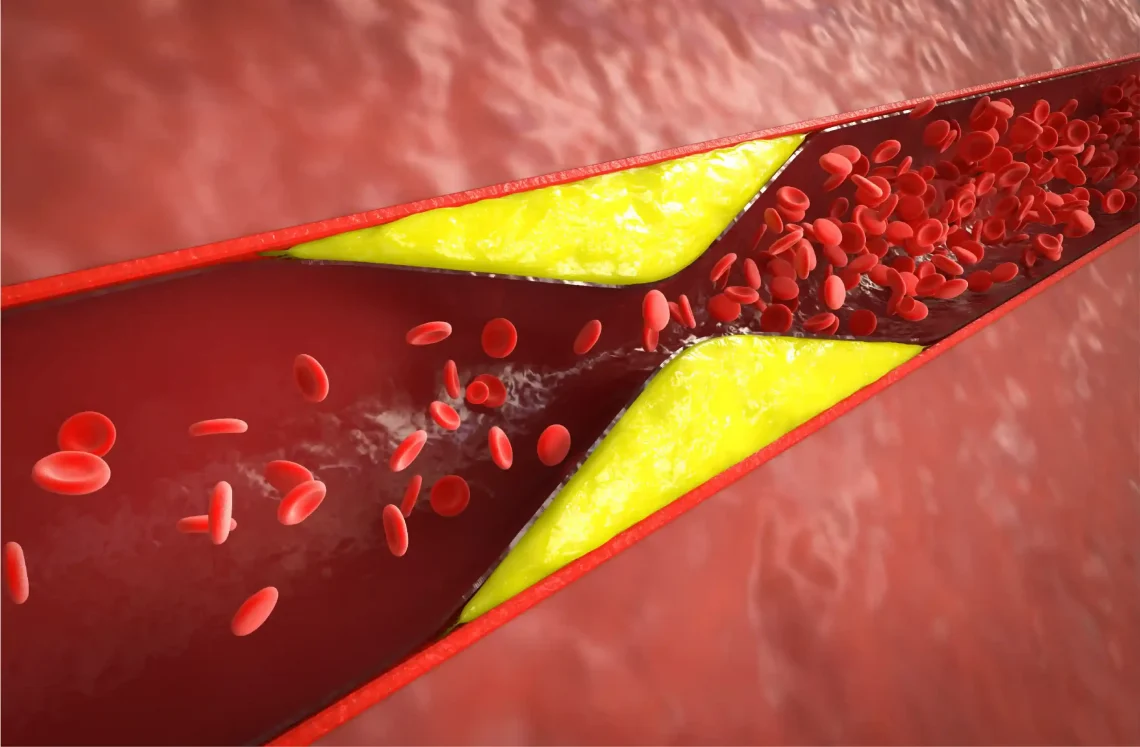
Introduction Familial hypercholesterolemia (FH) is a genetic disorder characterized by extremely high levels of low-density lipoprotein cholesterol (LDL-C), commonly known as “bad cholesterol.” Unlike typical high cholesterol influenced by lifestyle, FH is inherited and can lead to early-onset cardiovascular disease if left untreated. Understanding FH, its signs, diagnosis, and management is crucial because early intervention can significantly reduce the risk of heart attacks and improve quality of life. This article provides a comprehensive overview of familial hypercholesterolemia, helping individuals and families recognize the condition and take proactive steps for management. What Is Familial Hypercholesterolemia? FH is an inherited disorder caused…
-
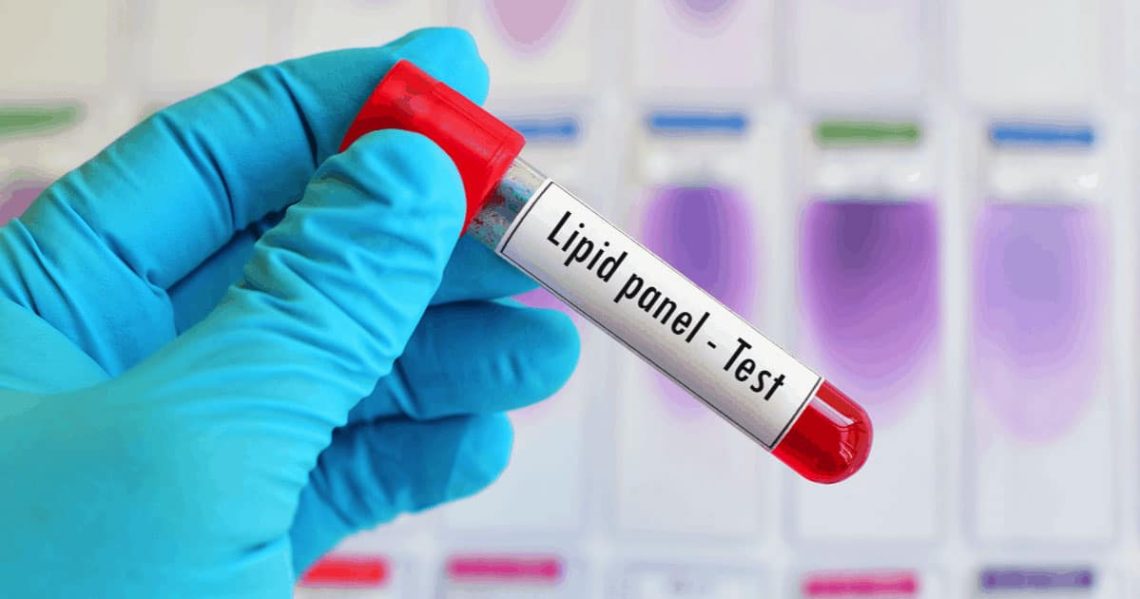
Introduction Your doctor may ask for a lipid panel during a routine health checkup, especially to assess your heart health. But what do all those numbers and terms—HDL, LDL, triglycerides mean? Understanding your lipid panel is essential for taking control of your cardiovascular risk and making informed decisions about your lifestyle and medical care. This article will help you decode the components of a lipid panel, focusing on HDL (good cholesterol), LDL (bad cholesterol), and triglycerides, what their levels mean, why they matter, and how you can manage them for better health. What Is a Lipid Panel? A lipid panel…
-
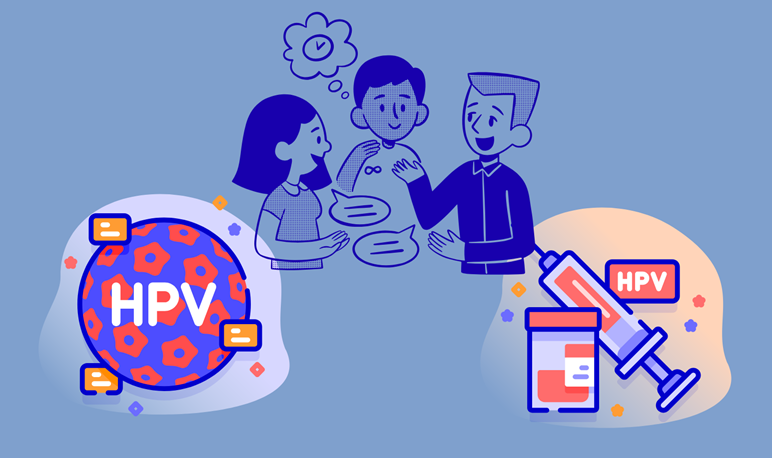
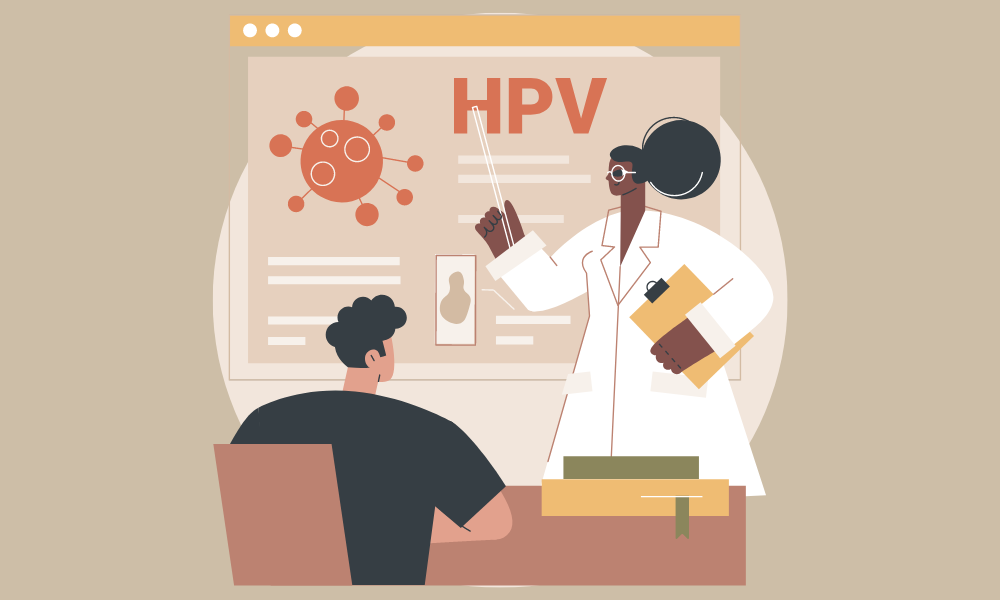
Introduction Receiving an HPV diagnosis can be emotionally challenging, especially when it comes to discussing it with your partner. Because Human Papillomavirus (HPV) is a highly common sexually transmitted infection, understanding how to communicate openly and honestly is key to maintaining trust and intimacy in relationships. Open dialogue about HPV can reduce stigma, promote mutual support, and empower both partners to make informed decisions about health and prevention. This article offers a detailed guide on how to approach the conversation about HPV with your partner, covering when and how to talk, what to say, common concerns, and ways to foster…
-
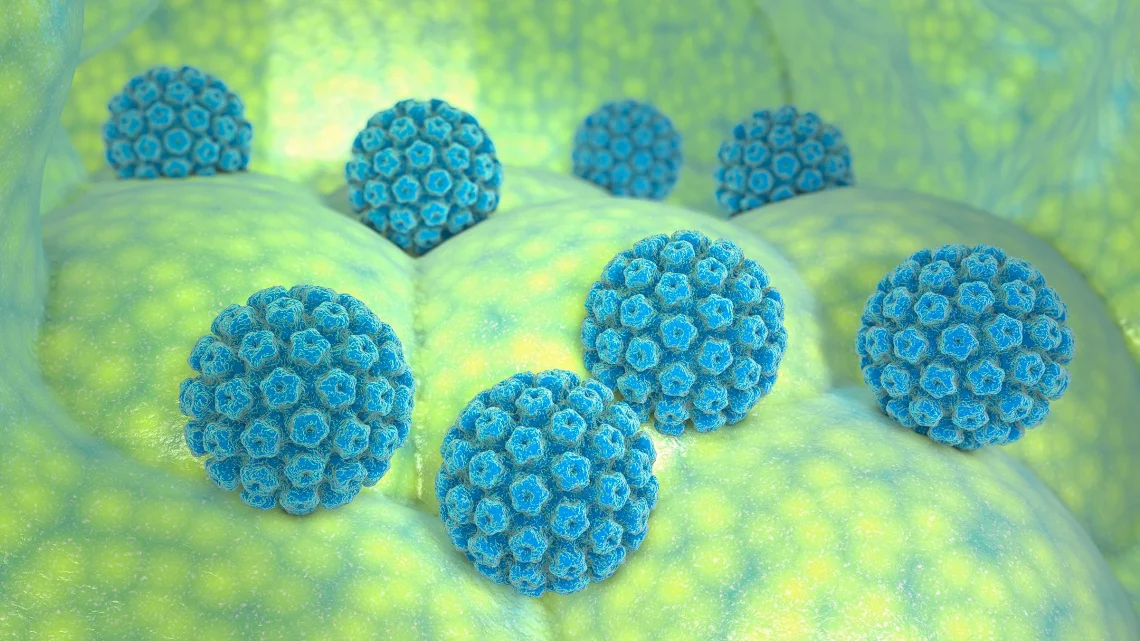
Introduction Human Papillomavirus (HPV) is the most common sexually transmitted infection globally, affecting millions of individuals across all ages and backgrounds. Despite its prevalence, HPV remains a misunderstood virus, particularly regarding its progression and clearance in the human body. Many people diagnosed with HPV worry about the long-term implications of the infection, including whether the virus can be naturally eliminated or if it persists indefinitely. This article explores the natural history of HPV—how the virus behaves after infection, the body’s ability to clear it naturally, and factors influencing persistence or progression to disease. What Is HPV? HPV is a group…
-
Introduction Receiving a diagnosis of Human Papillomavirus (HPV) can feel confusing, overwhelming, and even scary, but it doesn’t have to be. HPV is incredibly common, affecting millions of people worldwide. In fact, nearly all sexually active individuals will be exposed to HPV at some point in their lives. For most people, the infection causes no symptoms and goes away on its own. However, for some, it may persist and lead to health complications like genital warts or even cancer. Living with HPV is not a life sentence—it’s a manageable condition. With the right knowledge and approach, individuals can protect their…
-
Introduction Human Papillomavirus (HPV) is the most common sexually transmitted infection (STI) worldwide, affecting both men and women. While HPV is often discussed in the context of cervical cancer in women, it’s important to recognize that men are also at risk for serious HPV-related health problems. HPV in men can lead to genital warts and several types of cancer, including anal, penile, and oropharyngeal (throat) cancers. Despite these risks, awareness, vaccination, and screening efforts for men remain limited compared to women. This article provides a comprehensive overview of HPV in men, covering risks, symptoms, and screening considerations to help men…
-
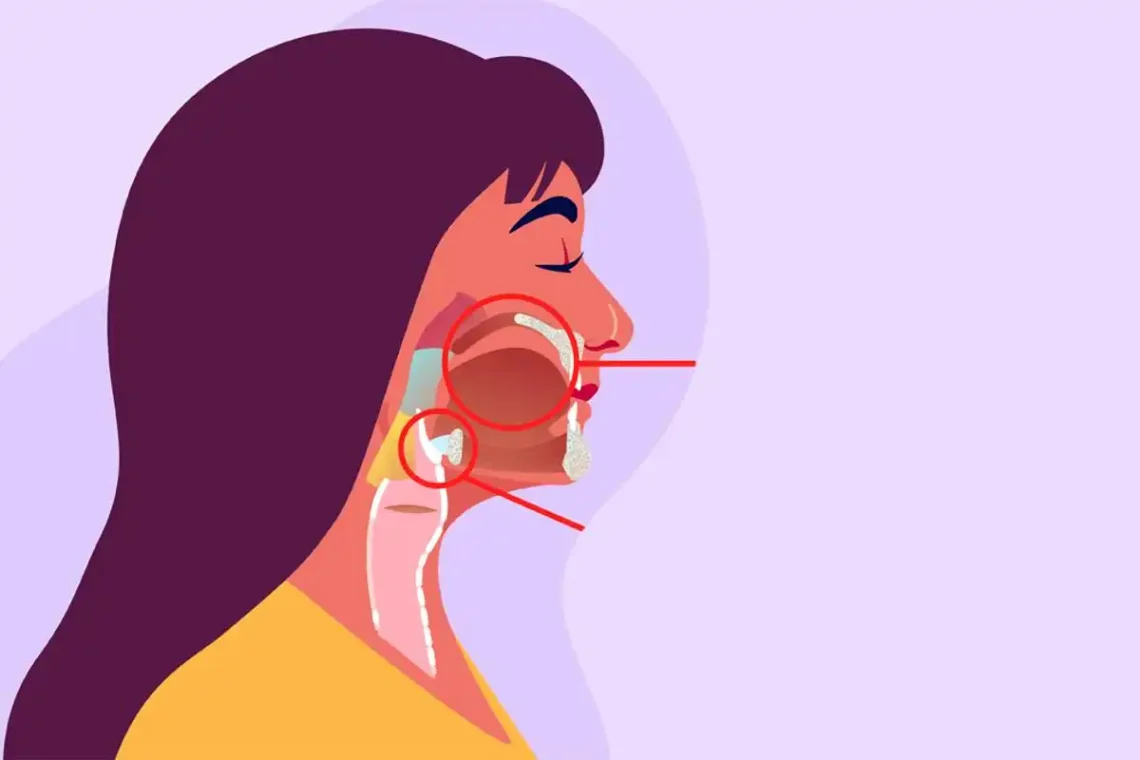
Introduction Human Papillomavirus (HPV) is the most common sexually transmitted infection worldwide. While many HPV infections are harmless and clear on their own, certain high-risk types of HPV can lead to cancer if left untreated. The virus is responsible for nearly all cases of cervical cancer and is increasingly recognized as a major cause of other cancers—including throat, anal, penile, vulvar, and vaginal cancers. Understanding the link between HPV and cancer is essential for prevention, early detection, and treatment. This article explores how HPV causes cancer, which types are most dangerous, and how vaccination and screening can save lives. What…
-
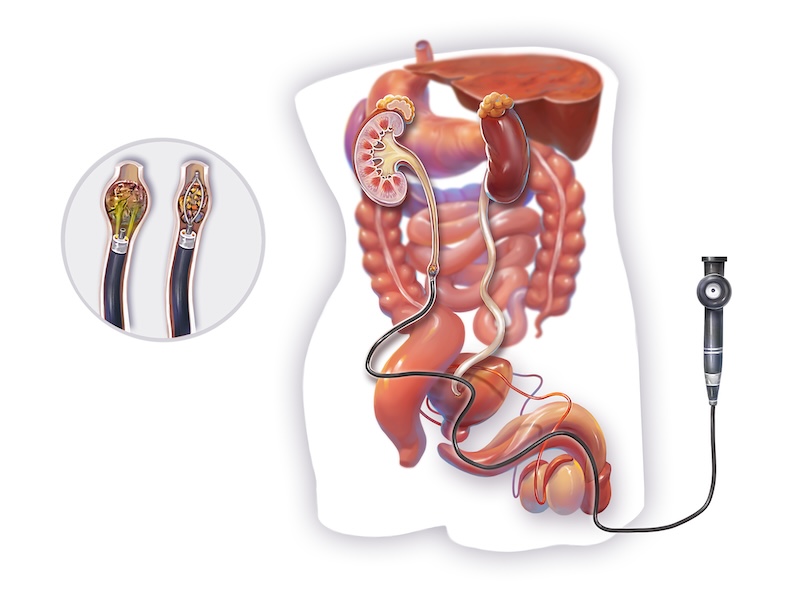
Introduction Kidney stones can cause severe pain and discomfort, and while some small stones pass naturally, others require medical intervention. Fortunately, advances in medical technology have led to effective non-surgical or minimally invasive treatments that avoid the need for open surgery. Two of the most common and successful options are Extracorporeal Shock Wave Lithotripsy (ESWL) and Ureteroscopy (URS). This article will explain how these treatments work, when they are recommended, their benefits, risks, and what patients can expect during recovery. What is ESWL? Extracorporeal Shock Wave Lithotripsy (ESWL) is a non-invasive procedure that uses focused shock waves to break kidney…
-
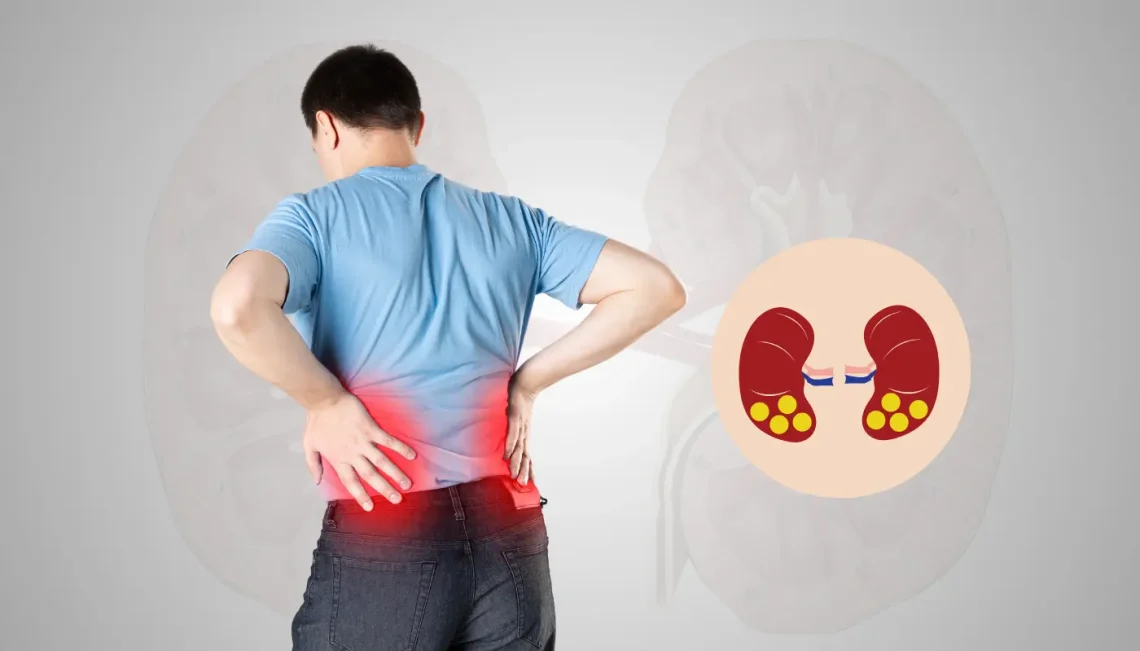
Introduction Kidney stones are small, hard deposits made of minerals and salts that form inside your kidneys. While they might seem harmless due to their size, the pain they cause is anything but. Often described as one of the most intense types of pain a person can experience, kidney stone pain can come on suddenly and vary in duration and intensity. This article explores what kidney stone pain feels like, how it’s diagnosed, and the most effective ways to manage and prevent it. What Are Kidney Stones? Kidney stones, or renal calculi, form when certain substances—like calcium, oxalate, and uric…