Introduction Diphenhydramine, widely known by its brand name Benadryl, is a first-generation antihistamine commonly used to treat allergies, hay fever, colds, and insomnia. Over the years, it has earned a reputation as a go-to medication for its sedative properties and easy over-the-counter access. However, recent studies and medical warnings have brought to light the dark side of long-term diphenhydramine use, especially its impact on cognitive health and brain function. While effective for short-term relief, regular or long-term use—particularly for sleep—can pose significant neurological and psychological risks, including memory loss, confusion, and increased risk of dementia. The concern stems from diphenhydramine’s…

-
-
Introduction Caffeine is one of the most widely consumed stimulants in the world. Found naturally in coffee, tea, and chocolate—and added to sodas, energy drinks, and dietary supplements—it helps people stay alert, boost performance, and fight fatigue. However, caffeine is also a common ingredient in many over-the-counter (OTC) pain relievers, particularly those aimed at treating headaches, migraines, and menstrual cramps. While caffeine in moderation is generally safe, unintentional overconsumption can lead to serious health risks, especially when multiple sources are combined. A person who takes an OTC pain medication for a headache and later drinks an energy beverage or uses…
-
Introduction Acetaminophen, also known as paracetamol in many countries, is one of the most widely used over-the-counter (OTC) medications for pain relief and fever reduction. Found in countless household medicine cabinets, its widespread availability and perceived safety often overshadow the potential dangers it can pose—particularly when taken in excess. One of the most insidious ways an acetaminophen overdose can occur is through the use of multi-symptom cold and flu medications, which frequently contain acetaminophen alongside other ingredients such as decongestants, cough suppressants, and antihistamines. Consumers, often unaware that they are ingesting the same active ingredient from multiple sources, can inadvertently…
-
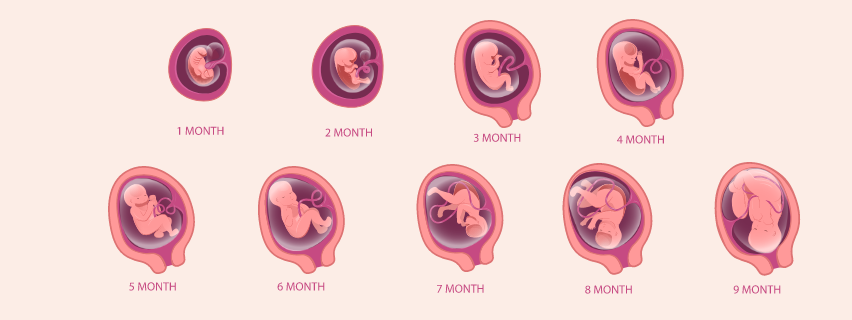
Introduction Pregnancy is a miraculous journey where a single cell transforms into a fully developed baby in just nine months. As your baby grows inside the womb, incredible changes unfold each month. From the first flutter of a heartbeat to the final preparations for birth, every phase is filled with wonder. This month-by-month guide will walk you through the developmental milestones, physical changes, and sensory growth your baby experiences throughout pregnancy. We’ll also include fun-size comparisons to give you a clear picture of how your baby is growing. Monthly Baby Growth Month 1 (Weeks 1–4) Month 2 (Weeks 5–8) Month…
-
Introduction One of the most exciting parts of pregnancy for many expecting parents is discovering the baby’s sex. Whether you’re planning a gender reveal party or just curious about your little one, knowing when and how the baby’s sex can be determined is an important question. While it’s often thought of as a mid-pregnancy milestone, advancements in prenatal testing mean you might find out earlier than you expect. From blood tests to ultrasounds, the accuracy and timing of each method vary. In this article, we’ll explore how gender is biologically determined, the types of tests available, and provide a timeline…
-
Introduction Frequent urination is often one of the earliest signs of pregnancy—and it can be both surprising and inconvenient. Many women notice themselves making extra trips to the bathroom even before a missed period, and this can continue through the first trimester and beyond. While it might feel unusual, increased urination is a normal and common part of pregnancy. But why does this happen? Is it just the baby pressing on your bladder, or are there other reasons? Understanding what’s going on in your body can help you manage the changes with more confidence. This article explores the hormonal causes…
-
Introduction Pregnancy is a time of significant physical and hormonal changes, many of which can bring about unfamiliar sensations—including abdominal pain. While mild aches and cramps are common as your body adjusts to support your growing baby, distinguishing between normal discomfort and signs of a more serious issue is essential. Understanding the timing, location, and nature of abdominal pain during pregnancy can help you know when to stay calm and when to seek medical attention. This guide offers a comprehensive overview of abdominal pain during pregnancy, organized by trimester, the difference between harmless and harmful pain, and a location-based pain…
-
Introduction Pregnancy is a highly personal experience, and its early stages can manifest in different ways for each woman. Some women report feeling like they “just knew” they were pregnant, even before any medical confirmation. These intuitive feelings may stem from a combination of physical, emotional, and hormonal changes that occur in the early days of pregnancy. However, it is important to understand the distinction between symptoms that could indicate pregnancy and those that could be attributed to other factors. For most women, pregnancy tests provide the first concrete confirmation of a pregnancy, but could your body be sending you…
-
Introduction Pregnancy is an extraordinary journey that begins even before a missed period. For women trying to conceive or those suspecting they might be pregnant, one of the most pressing questions is: How soon after conception do symptoms begin? The body undergoes subtle yet significant changes immediately after fertilization, but how quickly can you feel these changes? Understanding the timeline between ovulation, conception, and the onset of early pregnancy symptoms is key to recognizing what your body is telling you. This article explores the biological processes involved and the typical timing of early symptoms — helping you distinguish real signs…
-
Introduction For many women, the first hint of pregnancy comes with a missed period. But did you know that your body may begin sending signals even before that happens? These early signs can be subtle or strong, depending on your body’s sensitivity to the hormonal changes that occur right after conception. If you’re trying to conceive or suspect you might be pregnant, paying attention to these signs can offer early clues, sometimes within days of conception. Below are 10 early signs of pregnancy, grouped under key categories that help you understand what’s happening in your body before a missed period.…