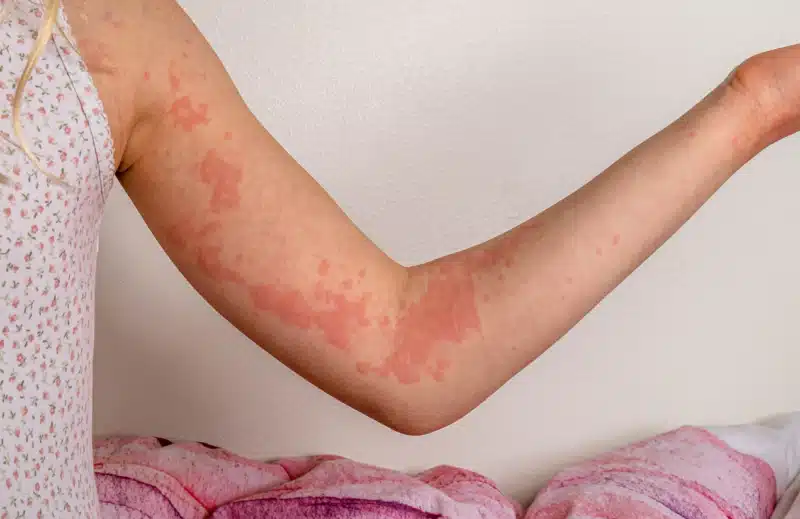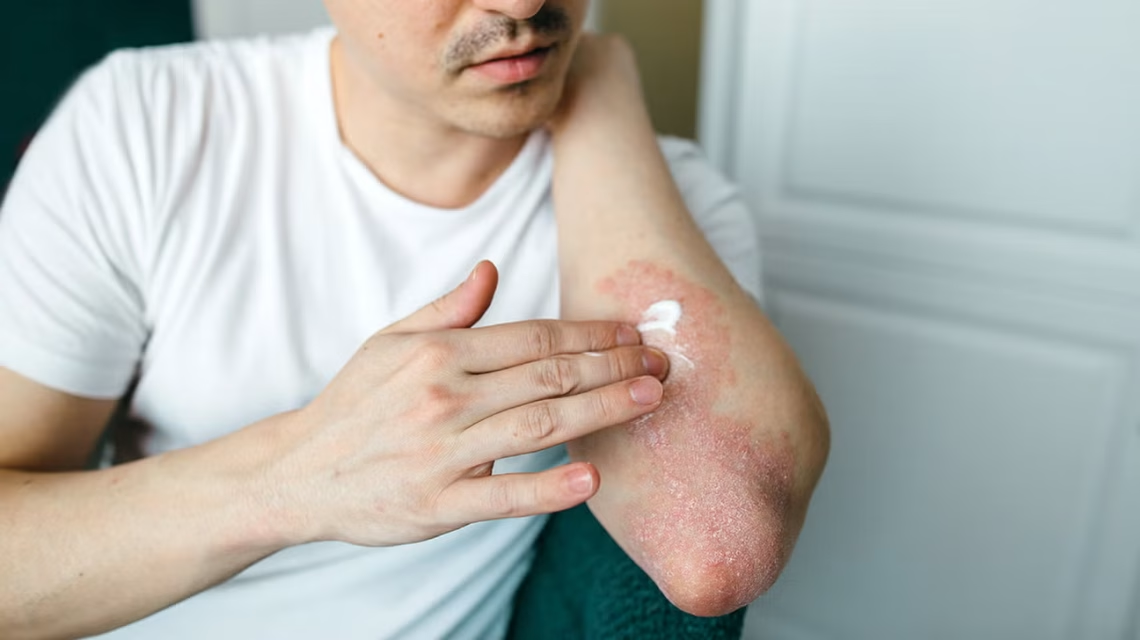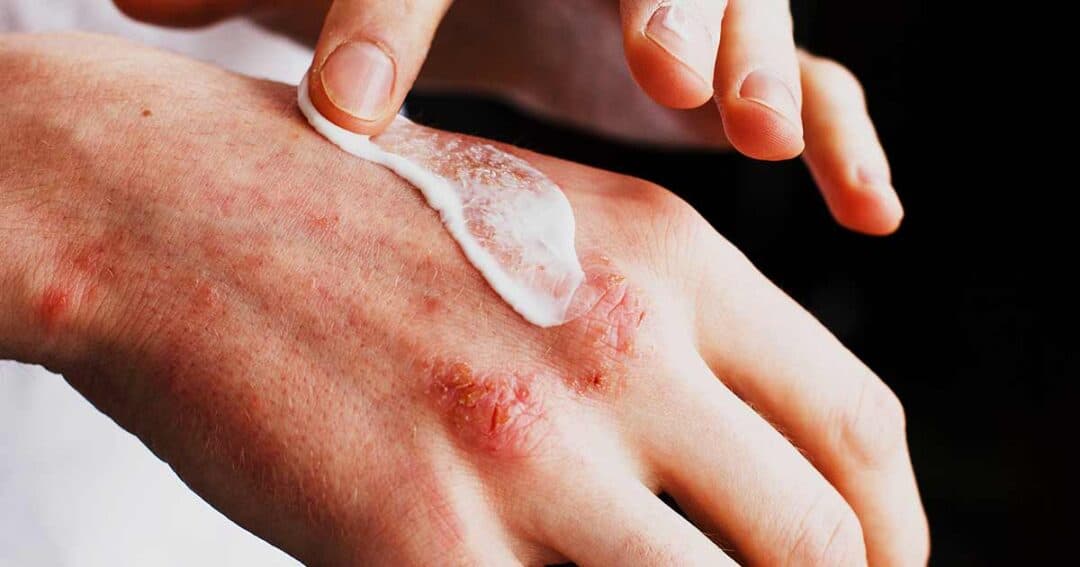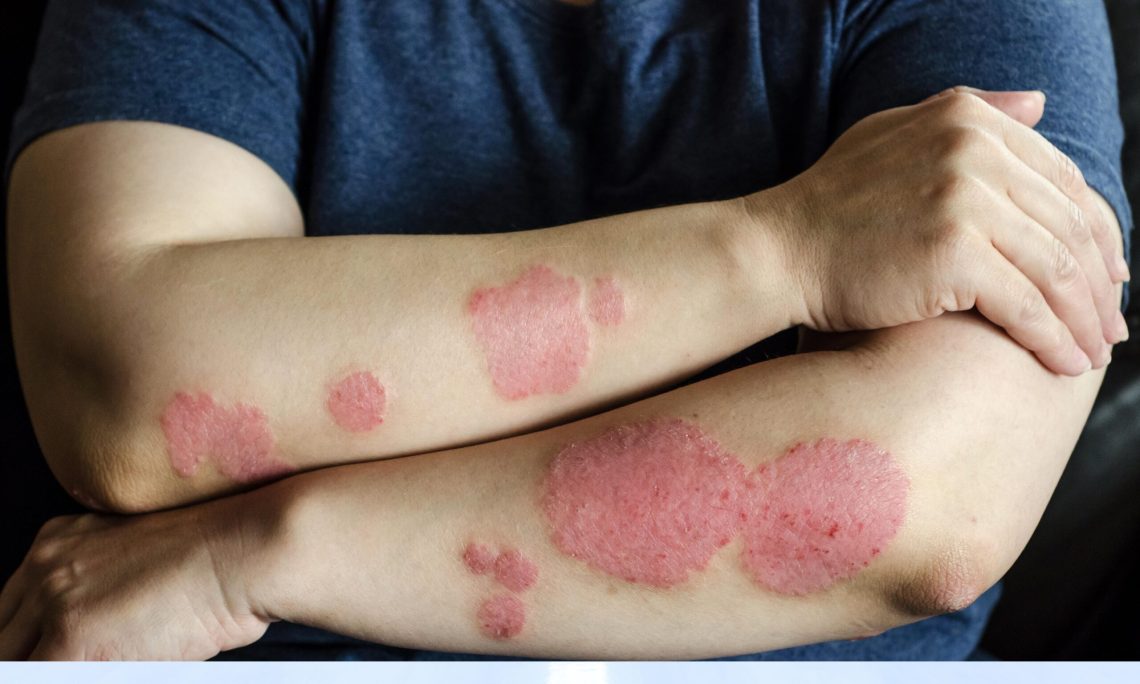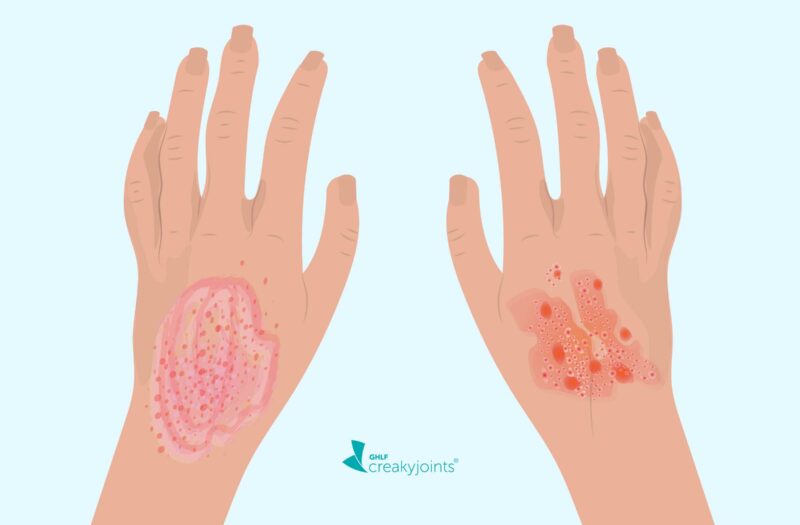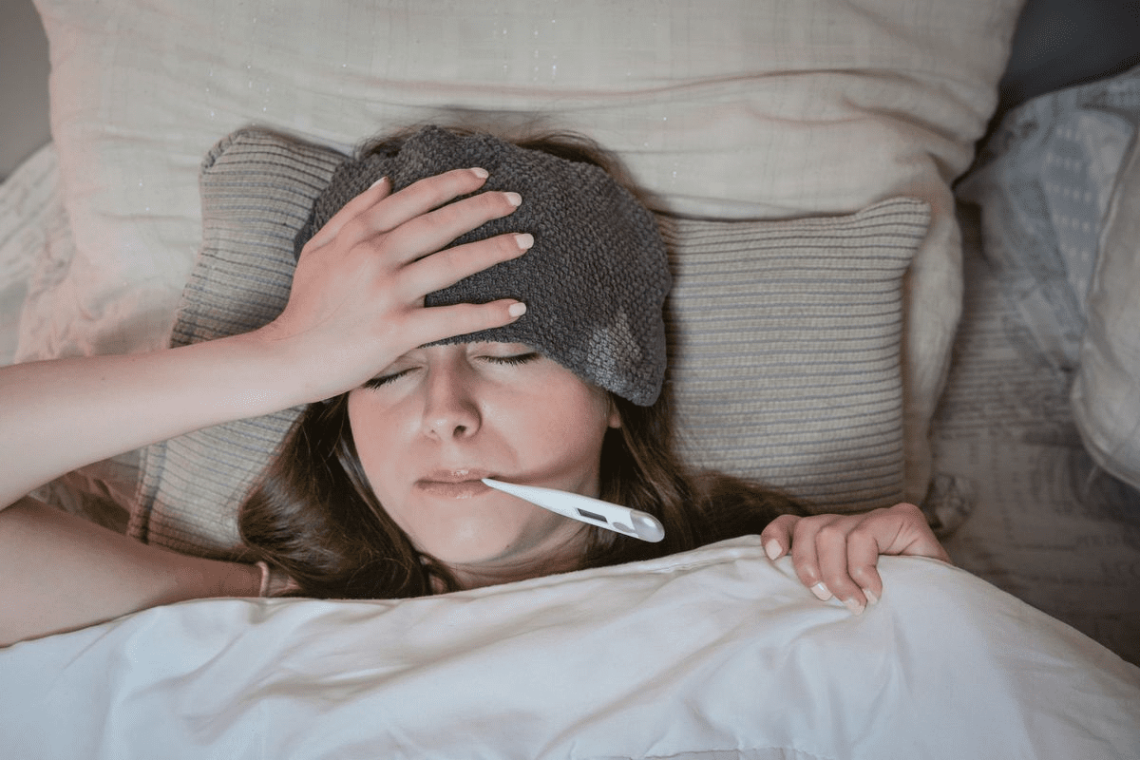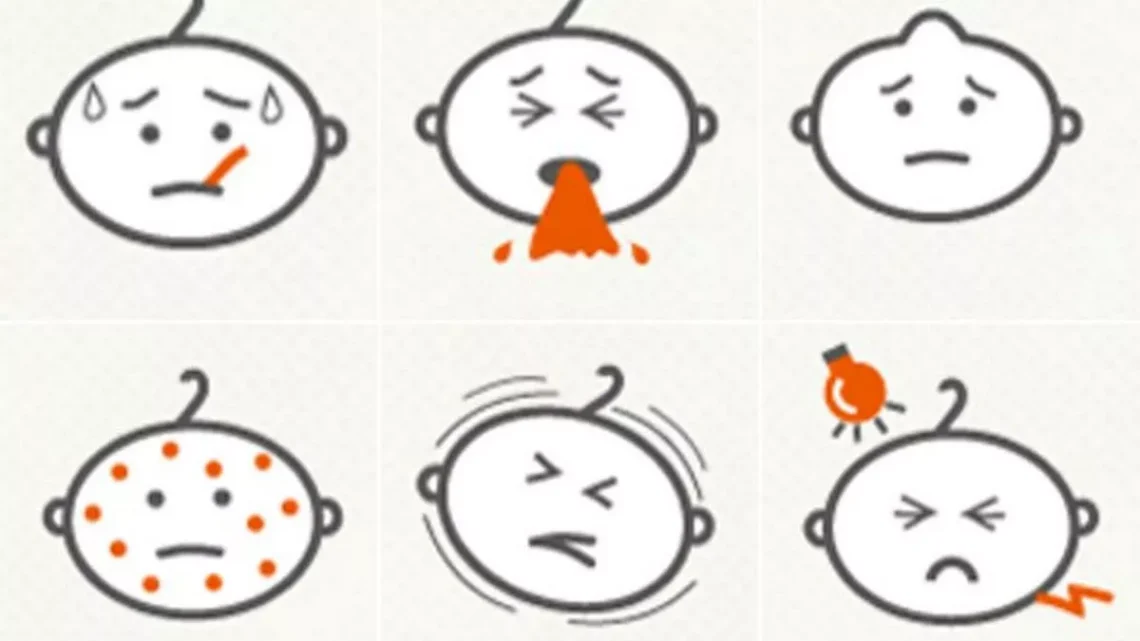
Introduction Measles is often thought of as a childhood disease, but adults are not immune to its dangers—especially if they have never been vaccinated or previously infected. Measles in adults can be more severe than in children, with a higher likelihood of complications and longer recovery times. Global travel, declining vaccination rates, and occasional outbreaks mean that unprotected adults remain at significant risk. Why Adults Can Still Get Measles Risks of Measles in Adults 1. Increased Complication Rates 2. Higher Mortality Risk 3. Greater Impact on Daily Life Severity of Measles in Adults 1. Symptom Intensity 2. Common Adult Complications…
-
-
Introduction Measles is not just another childhood illness—it’s one of the most contagious diseases known to humans. Its ability to spread rapidly through communities has led to explosive outbreaks in areas with low vaccination coverage. The secret to its high transmissibility lies in a concept called R₀ (basic reproduction number). Understanding R₀ helps explain why controlling measles requires extremely high levels of immunity in a population. What is R₀ (Basic Reproduction Number)? For measles, the R₀ is estimated between 12 and 18, making it one of the highest among all infectious diseases.This means that one person with measles can infect…
-
Introduction Measles is a highly contagious viral infection caused by the measles virus (a member of the Paramyxoviridae family). While most cases resolve within a couple of weeks, measles is far from harmless. The virus can weaken the immune system for several weeks or even months, leaving the body vulnerable to other infections. In some cases, measles leads to serious and potentially fatal complications. Three of the most severe are pneumonia, encephalitis, and subacute sclerosing panencephalitis (SSPE).Understanding these complications is crucial for recognizing the importance of vaccination and early medical care. Pneumonia: The Leading Cause of Measles-Related Deaths Pneumonia is…
-
Introduction Measles is a highly contagious viral illness that spreads through respiratory droplets and can lead to serious complications—especially in unvaccinated children and adults. While vaccines have dramatically reduced its global burden, measles outbreaks still occur, often due to low vaccination coverage. Recognizing the early and classic symptoms of measles—including the hallmark rash, fever, cough, and Koplik’s spots—can help with early diagnosis and prevent further spread. What Causes Measles? Measles is caused by the measles virus, a member of the paramyxovirus family. It spreads through: Measles is extremely contagious—up to 90% of unvaccinated people in close contact with an infected…
-
Introduction Accurate and timely COVID-19 testing has been one of the most important tools in managing the pandemic. Whether you’re feeling sick, preparing for travel, or checking after exposure, knowing the right type of test, when to take it, and how to interpret the results is key. This guide breaks down the main testing options—PCR and rapid antigen tests—explaining how they work, how accurate they are, and when each is most useful. Why Testing Still Matters Even as vaccines, treatments, and public immunity evolve, testing remains essential for: Types of COVID-19 Tests COVID-19 tests fall into two main categories: 1.…
-
Introduction COVID-19 can range from mild to life-threatening. While many people recover at home with rest, fluids, and over-the-counter medication, others may develop symptoms that require immediate medical attention. Knowing when to seek emergency care can save lives—especially for those at higher risk of complications. This guide outlines the key warning signs of severe COVID-19 and provides guidance on what to do if emergency care is needed. Understanding the Progression of COVID-19 COVID-19 symptoms typically appear 2 to 14 days after exposure to the virus. In most cases, people experience: For some individuals, symptoms gradually improve. However, others may experience…
-
Introduction Lyme disease, caused by the Borrelia burgdorferi bacterium and spread through tick bites, is usually treatable with antibiotics. However, for some individuals, symptoms persist even after completing treatment. This condition is known as Post-Treatment Lyme Disease Syndrome (PTLDS). PTLDS can be confusing and frustrating, both for patients and healthcare providers. Though the initial infection has been treated, lingering symptoms may impact daily life. This article explores what PTLDS is, its possible causes, symptoms, diagnosis, and current management strategies. What Is Post-Treatment Lyme Disease Syndrome (PTLDS)? PTLDS refers to a set of long-lasting symptoms that continue for 6 months or…
-
Introduction Lyme disease is a tick-borne illness caused primarily by the bacterium Borrelia burgdorferi. While early treatment is highly effective, diagnosis can be tricky—especially if you don’t have the telltale bullseye rash. That’s where testing comes in. But Lyme disease tests aren’t always straightforward. They vary in accuracy depending on the stage of the disease, and interpreting results can be challenging. In this article, we’ll break down the types of Lyme disease tests, their limitations, and how they’re used during different stages of infection. How Lyme Disease Progresses (Why Stage Matters in Testing) Lyme disease progresses in three stages: Key…
-
Introduction Lyme disease is a bacterial infection caused by the bite of an infected black-legged tick (also known as the deer tick). It’s most common in North America and parts of Europe, especially in wooded or grassy areas. Early recognition of Lyme disease is critical for successful treatment—and one of the most telling signs is the bullseye-shaped rash, known as erythema migrans (EM). However, not everyone develops this rash, and early symptoms can be easily mistaken for other illnesses. This article will help you understand the early warning signs, including the bullseye rash, and when to seek medical attention. What…
-
Introduction Thanks to advances in antiretroviral therapy (ART), people living with HIV are now living longer, healthier lives. In fact, more than half of all people living with HIV in many countries are over the age of 50. While this is a remarkable achievement in public health, it also introduces a new set of challenges: aging with HIV. Older adults with HIV face unique health considerations that go beyond managing the virus. These include an increased risk of age-related diseases, drug interactions, cognitive decline, and social or mental health issues. This article explores the intersection of HIV and aging, and…