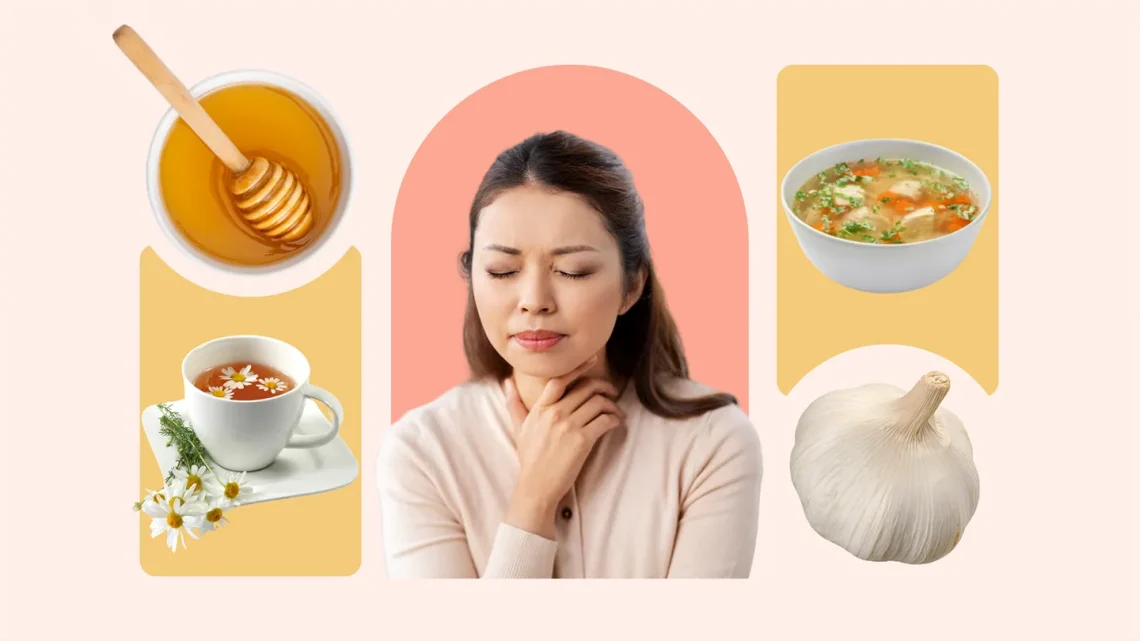
Introduction Strep throat, caused by the Group A Streptococcus bacteria, is more than just a typical sore throat. It brings intense throat pain, difficulty swallowing, fever, and fatigue. While antibiotics are essential for treating the infection, they don’t provide immediate pain relief. That’s where soothing remedies come in—to ease discomfort while the antibiotics do their job. Whether you’re a parent caring for a sick child or an adult suffering through a painful infection, this guide covers the best home remedies and supportive treatments to manage strep throat symptoms and promote faster recovery. Why Pain Relief Matters Pain from strep throat…
-
-
Introduction For many people, managing cholesterol through a healthy diet and regular exercise is effective in maintaining heart health and reducing cardiovascular risk. However, for some—especially those with genetic conditions, high-risk profiles, or stubborn cholesterol levels—these lifestyle changes may not be enough. When diet and exercise alone cannot bring cholesterol within safe ranges, advanced treatments become essential. This article explores what to do when cholesterol remains elevated despite lifestyle efforts, detailing the advanced medical options, their benefits, risks, and considerations to help you navigate cholesterol management beyond diet and exercise. Why Might Diet and Exercise Fall Short? Several reasons can…
-
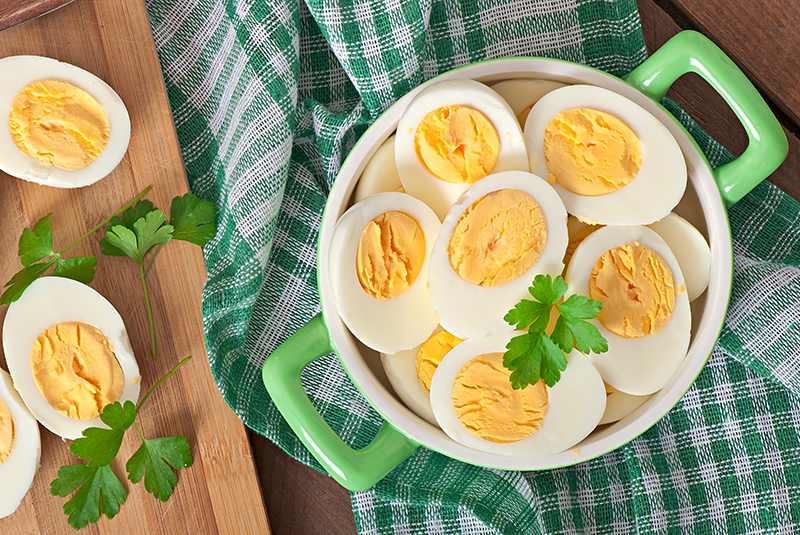
Introduction Cholesterol has long been a hot topic in health discussions, often surrounded by confusion and conflicting information. For decades, people have been advised to avoid eggs, fats, and certain foods to prevent heart disease. Meanwhile, medications like statins are both praised and feared. But how much of what we “know” about cholesterol is fact, and how much is myth? This article aims to clear up common misconceptions around cholesterol, focusing on eggs, dietary fats, and cholesterol medications, so you can make informed decisions about your health. Myth 1: Eggs Are Bad Because They Are High in Cholesterol The Myth…
-
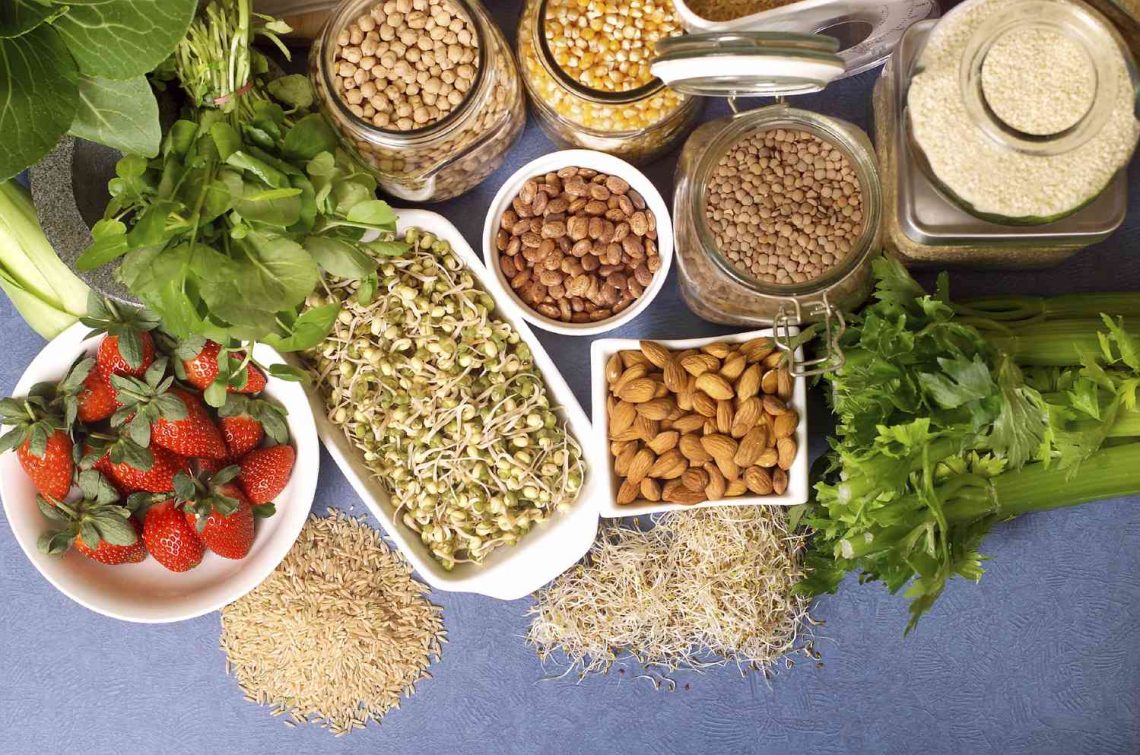
Introduction When it comes to managing cholesterol and supporting heart health, most people think about cutting fat or taking medications. But dietary fiber—specifically soluble and insoluble fiber—is one of the most powerful and natural ways to lower cholesterol and reduce the risk of heart disease. Fiber doesn’t just help digestion and regularity—it plays a critical role in reducing LDL (“bad”) cholesterol, improving overall lipid profiles, and supporting long-term cardiovascular wellness. This article explores the science behind soluble and insoluble fiber, how each type supports cholesterol management, and practical ways to include more fiber in your daily meals. What Is Dietary…
-
Introduction When most people think of high-cholesterol foods, eggs and red meat likely come to mind. But while dietary cholesterol doesn’t impact blood cholesterol as much as once thought, consuming excessive amounts—especially alongside saturated and trans fats—can still raise your risk of heart disease. What may surprise you is that many everyday foods are higher in cholesterol than expected. Understanding which foods pack hidden cholesterol loads—and learning how to swap them for healthier options—can help you protect your heart while still enjoying delicious meals. This article highlights common foods that are surprisingly high in cholesterol and offers smart, heart-healthy swaps…
-
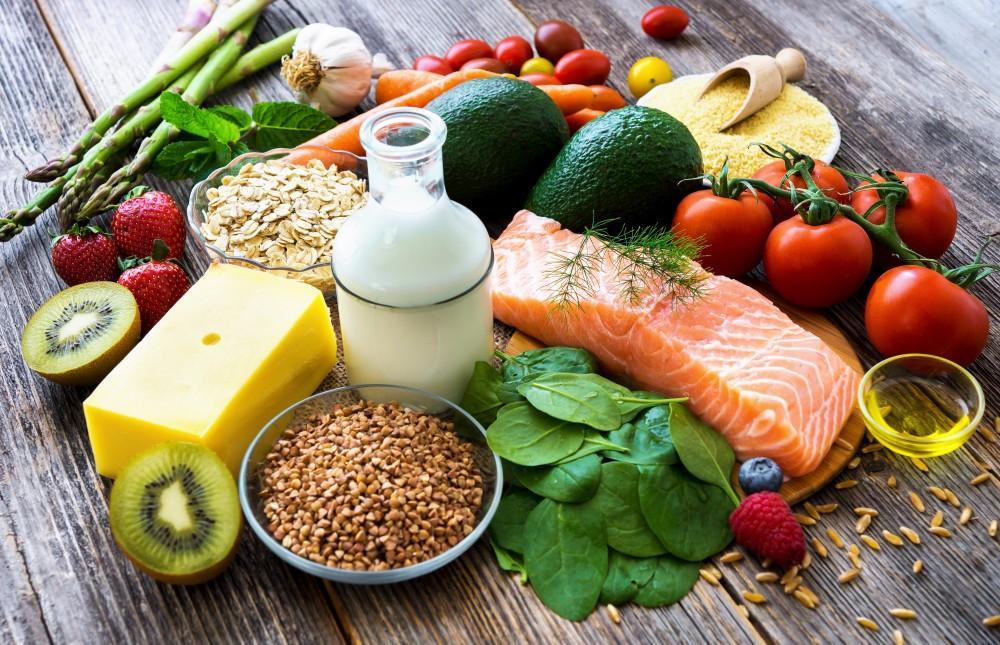
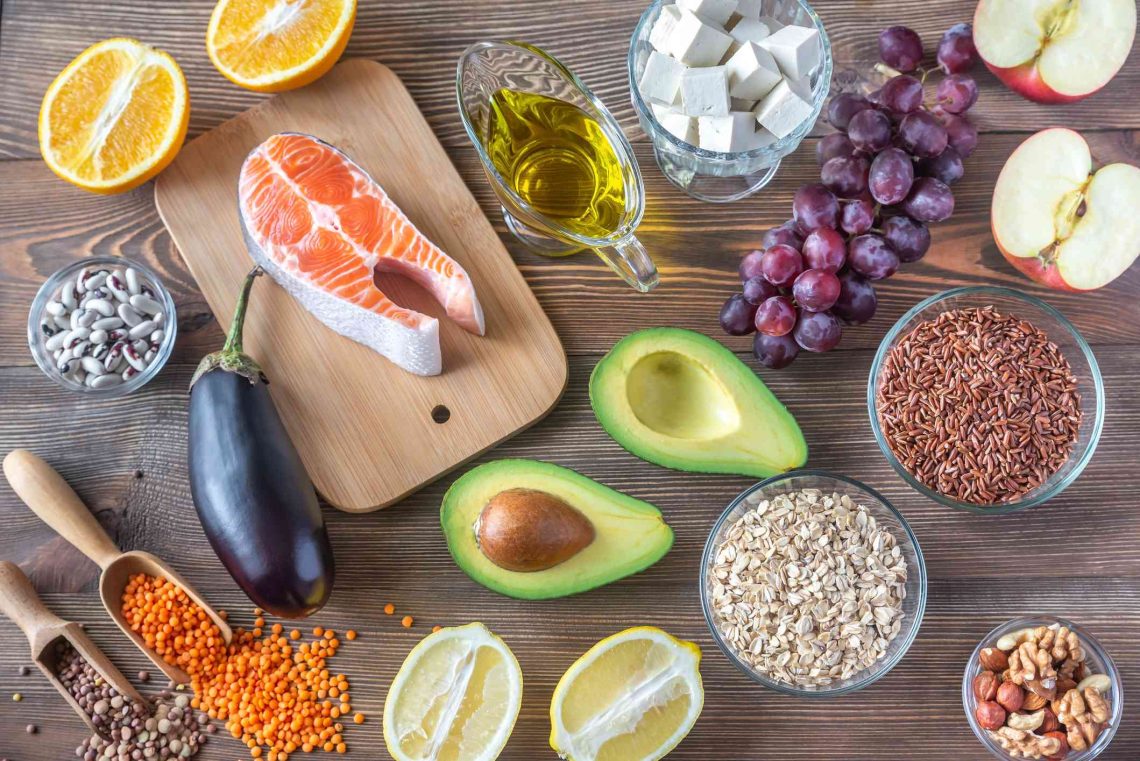
Introduction High levels of LDL (low-density lipoprotein) cholesterol, often called “bad” cholesterol, are a major risk factor for heart disease and stroke. While genetics and other medical conditions play a role, diet is one of the most powerful tools for lowering LDL cholesterol naturally. Making smart food choices can reduce the need for medication or enhance the effectiveness of existing treatments. This article explores the top 10 scientifically backed foods that help lower LDL cholesterol and improve your overall heart health, along with how to add them to your diet. 1. Oats and Barley Why They Work: Oats and barley…
-
Introduction Kidney stones are a painful condition affecting millions globally, often recurring without proper prevention. Among natural remedies and preventive strategies, lemon juice and its active component citrate have gained popularity as potential allies against kidney stones. But how effective are they, and what does the science say? This detailed article explores the role of lemon juice and citrate in kidney stone prevention, how they work, recommended intake, and practical tips for incorporating them into your daily routine. Understanding Kidney Stones and Citrate Kidney stones form when minerals in the urine, such as calcium, oxalate, and uric acid, crystallize and…
-
Introduction Kidney stones are a painful and recurring condition for many people. But did you know that the type of kidney stone you have directly influences the best dietary changes to prevent future stones? Each stone type forms due to different chemical imbalances and triggers, so a one-size-fits-all diet often isn’t effective. This article explains the major types of kidney stones and the tailored dietary strategies that can help reduce your risk of recurrence and support kidney health. Understanding Kidney Stone Types and Their Dietary Triggers The most common kidney stone types include: Each has unique causes, and adjusting your…
-
Introduction If you’ve experienced kidney stones—especially calcium oxalate stones, the most common type—your doctor may have advised you to reduce your intake of oxalates. But what exactly are oxalates, and why do they matter? Oxalates are naturally occurring compounds found in many plant-based foods. While they’re harmless for most people, those prone to kidney stones must be cautious. In this comprehensive guide, we’ll break down what oxalates are, how they affect stone formation, and which foods to limit or pair wisely to reduce your risk. What Are Oxalates? Oxalates (or oxalic acid) are organic acids found in many fruits, vegetables,…
-
Introduction Every flu season, many people turn to natural remedies to ease their symptoms, boost recovery, and avoid over-reliance on medications. While chicken soup is the classic go-to, there’s a growing interest in other home remedies and natural treatments that might support the immune system and provide relief. But which natural flu remedies actually work? And which ones are just myths or potentially harmful? This article explores evidence-based natural treatments you can try alongside medical care and tips on what to avoid. Understanding the Flu and Its Symptoms The flu is caused by the influenza virus and typically brings: Because…