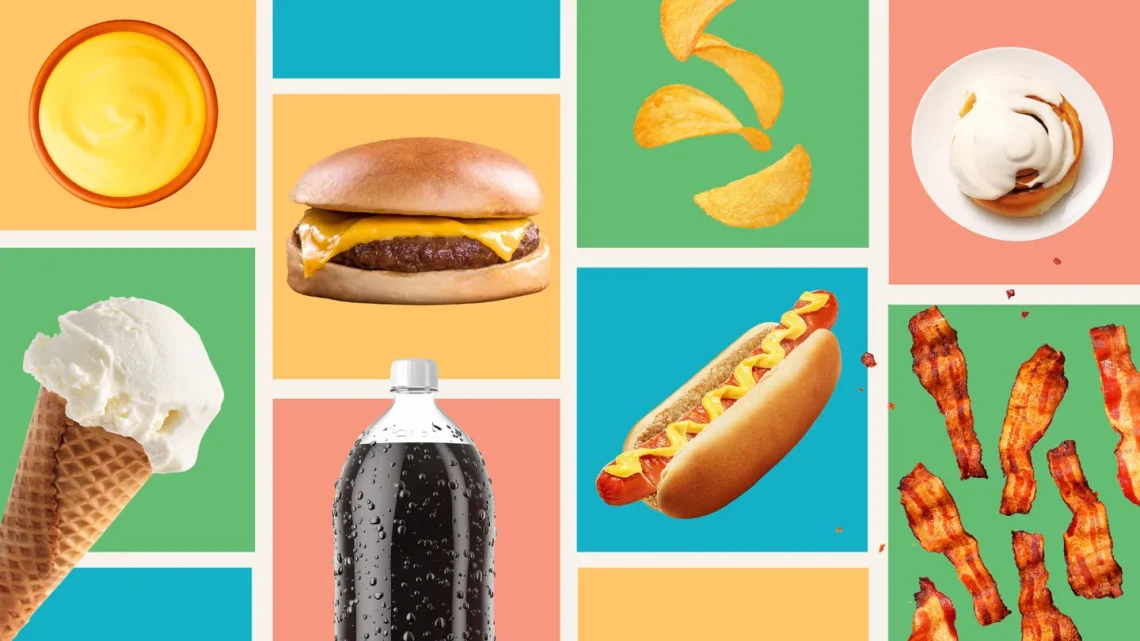
Introduction When most people think of high-cholesterol foods, eggs and red meat likely come to mind. But while dietary cholesterol doesn’t impact blood cholesterol as much as once thought, consuming excessive amounts—especially alongside saturated and trans fats—can still raise your risk of heart disease. What may surprise you is that many everyday foods are higher in cholesterol than expected. Understanding which foods pack hidden cholesterol loads—and learning how to swap them for healthier options—can help you protect your heart while still enjoying delicious meals. This article highlights common foods that are surprisingly high in cholesterol and offers smart, heart-healthy swaps…
-
-
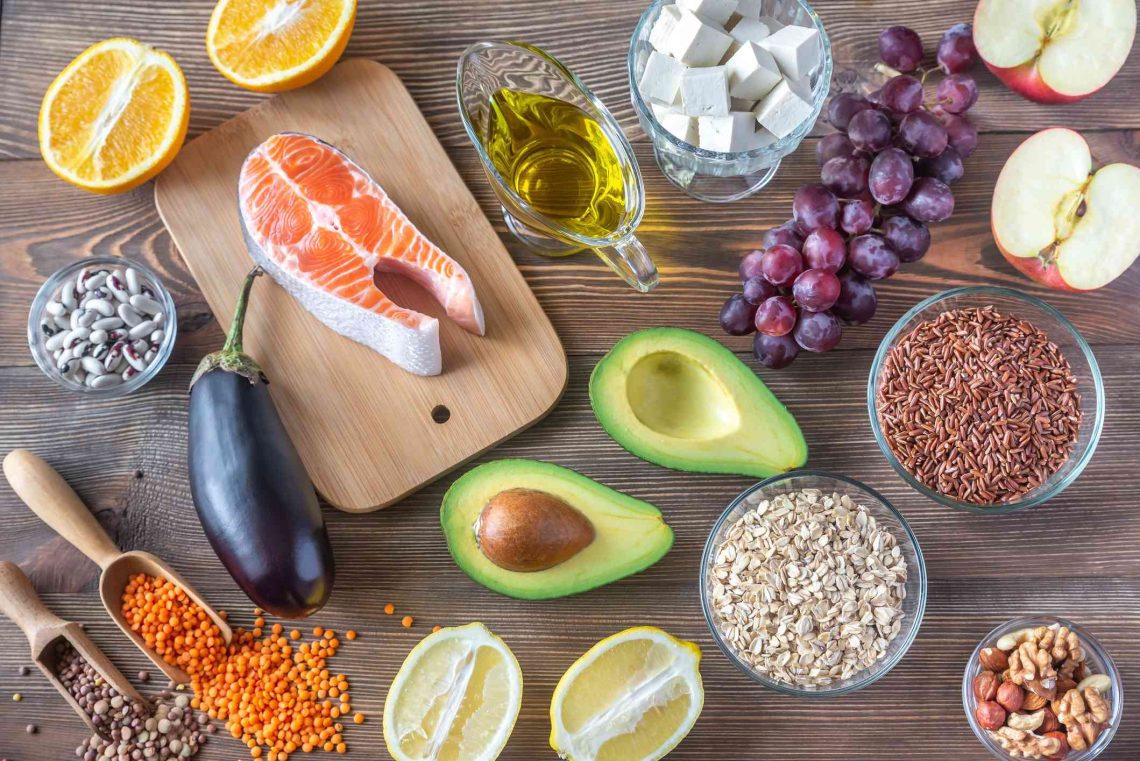
Introduction High levels of LDL (low-density lipoprotein) cholesterol, often called “bad” cholesterol, are a major risk factor for heart disease and stroke. While genetics and other medical conditions play a role, diet is one of the most powerful tools for lowering LDL cholesterol naturally. Making smart food choices can reduce the need for medication or enhance the effectiveness of existing treatments. This article explores the top 10 scientifically backed foods that help lower LDL cholesterol and improve your overall heart health, along with how to add them to your diet. 1. Oats and Barley Why They Work: Oats and barley…
-
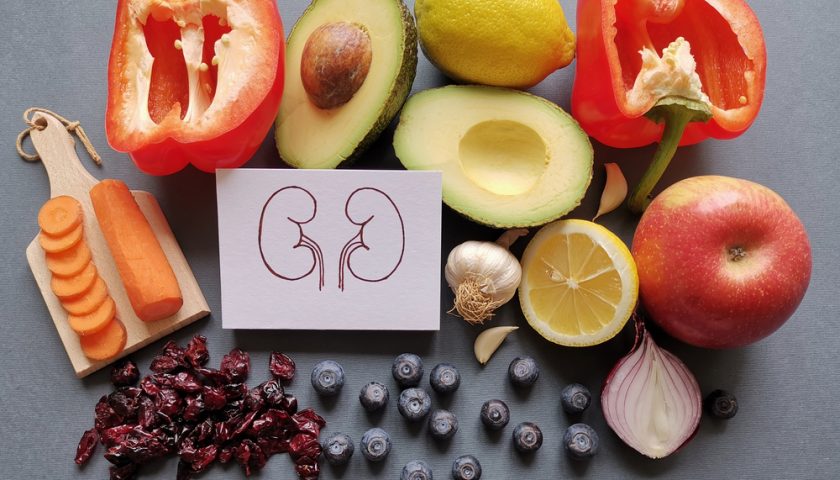
Introduction Kidney stones are a painful condition affecting millions globally, often recurring without proper prevention. Among natural remedies and preventive strategies, lemon juice and its active component citrate have gained popularity as potential allies against kidney stones. But how effective are they, and what does the science say? This detailed article explores the role of lemon juice and citrate in kidney stone prevention, how they work, recommended intake, and practical tips for incorporating them into your daily routine. Understanding Kidney Stones and Citrate Kidney stones form when minerals in the urine, such as calcium, oxalate, and uric acid, crystallize and…
-
Introduction Kidney stones are a painful and recurring condition for many people. But did you know that the type of kidney stone you have directly influences the best dietary changes to prevent future stones? Each stone type forms due to different chemical imbalances and triggers, so a one-size-fits-all diet often isn’t effective. This article explains the major types of kidney stones and the tailored dietary strategies that can help reduce your risk of recurrence and support kidney health. Understanding Kidney Stone Types and Their Dietary Triggers The most common kidney stone types include: Each has unique causes, and adjusting your…
-
Introduction If you’ve experienced kidney stones—especially calcium oxalate stones, the most common type—your doctor may have advised you to reduce your intake of oxalates. But what exactly are oxalates, and why do they matter? Oxalates are naturally occurring compounds found in many plant-based foods. While they’re harmless for most people, those prone to kidney stones must be cautious. In this comprehensive guide, we’ll break down what oxalates are, how they affect stone formation, and which foods to limit or pair wisely to reduce your risk. What Are Oxalates? Oxalates (or oxalic acid) are organic acids found in many fruits, vegetables,…
-
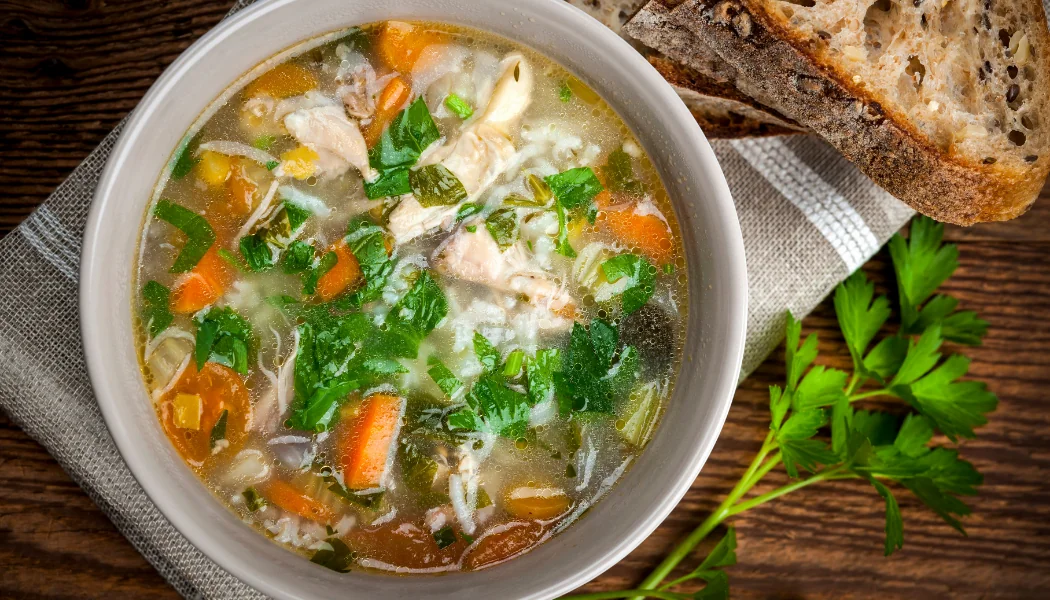
Introduction Every flu season, many people turn to natural remedies to ease their symptoms, boost recovery, and avoid over-reliance on medications. While chicken soup is the classic go-to, there’s a growing interest in other home remedies and natural treatments that might support the immune system and provide relief. But which natural flu remedies actually work? And which ones are just myths or potentially harmful? This article explores evidence-based natural treatments you can try alongside medical care and tips on what to avoid. Understanding the Flu and Its Symptoms The flu is caused by the influenza virus and typically brings: Because…
-
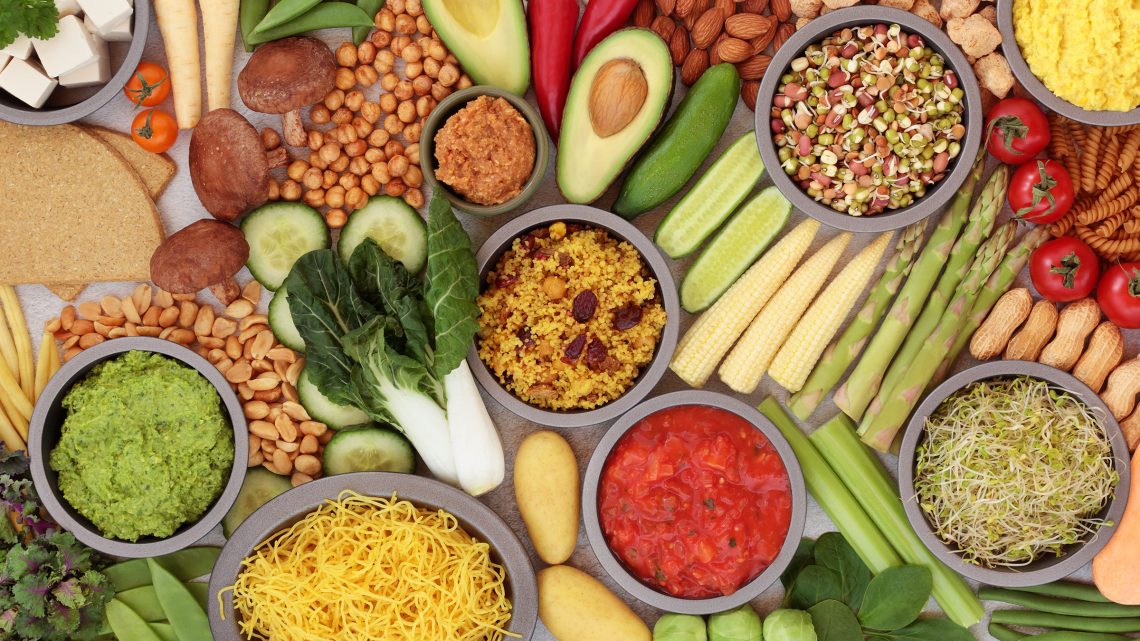
Introduction High blood pressure—or hypertension—is a silent yet serious threat affecting millions worldwide. Left unmanaged, it can lead to heart disease, stroke, and kidney damage. Fortunately, lifestyle changes, particularly dietary adjustments, can make a significant difference. One of the most researched and recommended diets for managing blood pressure is the DASH Diet—Dietary Approaches to Stop Hypertension. Developed by the National Institutes of Health (NIH), the DASH diet isn’t just a temporary fix—it’s a lifelong approach to healthy eating. It emphasizes nutrient-rich foods and limits those known to increase blood pressure, like sodium and processed sugars. What Is the DASH Diet?…
-
Introduction Prenatal vitamins are specially formulated supplements designed to support the nutritional needs of pregnant women and their developing babies. While a balanced diet is the foundation of good health during pregnancy, it can be challenging to get all the essential nutrients solely from food. Prenatal vitamins fill this gap, helping to prevent deficiencies that could impact fetal development or maternal health. This article explains the key nutrients in prenatal vitamins, the best timing and dosage, and how to choose a quality brand for your pregnancy journey. Key Nutrients Prenatal vitamins contain a blend of vitamins and minerals critical for…
-
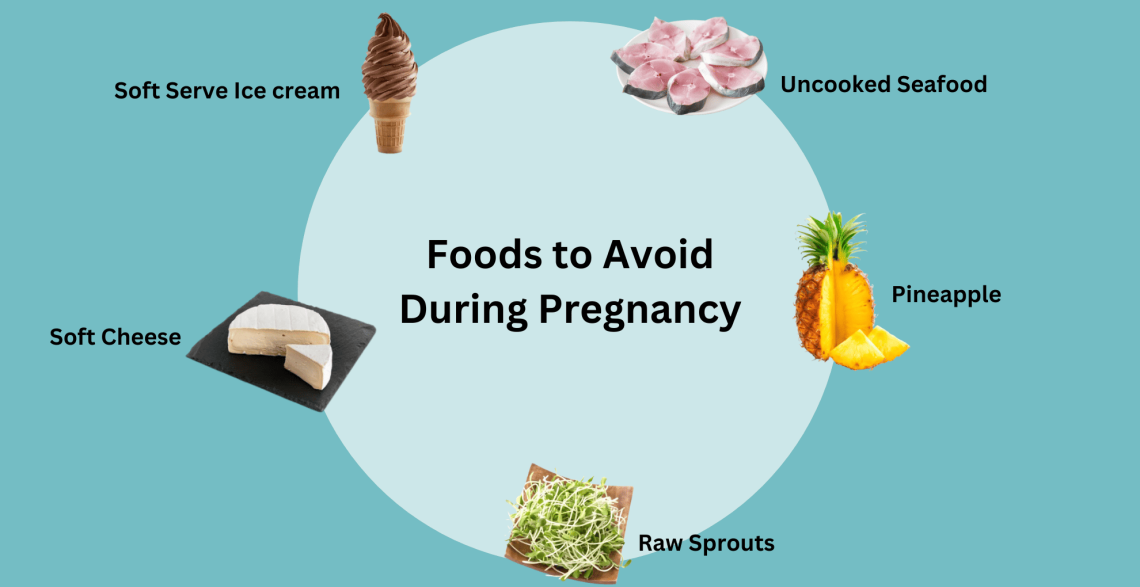
Introduction Pregnancy is a transformative journey that demands special attention to diet and nutrition. The food a pregnant woman consumes not only fuels her body but also nourishes her growing baby. While a well-balanced diet rich in fruits, vegetables, whole grains, and proteins is essential, it’s equally important to avoid certain foods that could pose risks to both mother and fetus. Some foods contain harmful bacteria, parasites, toxins, or substances that can lead to infections, developmental problems, or complications such as miscarriage, preterm labor, or birth defects. This article provides a detailed guide on foods to avoid during pregnancy and…
-
Hydrocortisone is a corticosteroid medication used to treat a wide variety of health conditions, including inflammation, allergies, autoimmune disorders, and skin conditions. As one of the most commonly prescribed medications for these issues, hydrocortisone can be found in both over-the-counter (OTC) and prescription formulations. This article provides an in-depth look at hydrocortisone, its uses, benefits, side effects, dosage guidelines, and more. Overview Hydrocortisone is a synthetic form of cortisol, a hormone naturally produced by the adrenal glands. Cortisol plays a crucial role in regulating various functions in the body, including the immune response, metabolism, and stress reactions. Hydrocortisone works by…