• Blog - Health Issues - Prevention & Wellness

    RSV Season: Timing and Preparedness

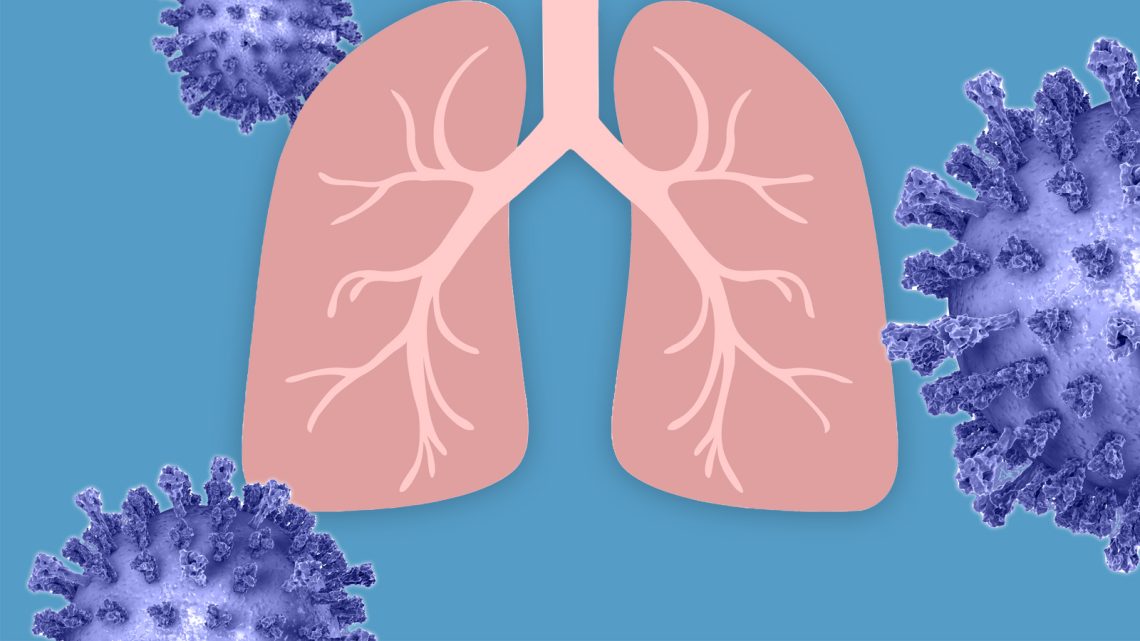
    Introduction Respiratory Syncytial Virus (RSV) is a highly contagious virus that primarily affects the respiratory system. It is a major cause of hospitalization in infants, young children, and older adults, particularly those with underlying health conditions. RSV infections often occur in seasonal patterns, making it important for families and healthcare providers to understand when RSV season occurs and how to prepare for it. Proper timing of preventive measures and awareness of high-risk periods can significantly reduce severe illness. 1. When Does RSV Season Occur? RSV season varies by geographic location and climate: Understanding local RSV season trends helps caregivers and…

  • Blog - Prevention & Wellness

    How RSV Spreads and Prevention Tips (Especially Around Babies)

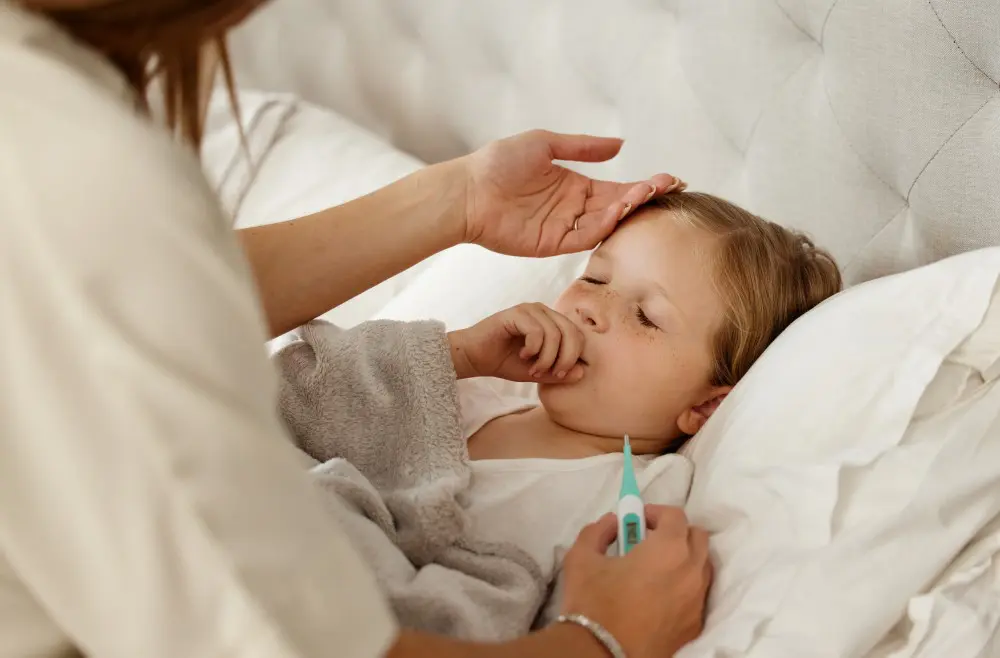
    Introduction Respiratory Syncytial Virus (RSV) is a highly contagious virus that primarily affects the respiratory tract. While it often causes mild cold-like symptoms in older children and adults, RSV can be serious for infants, especially those under 6 months, premature babies, and children with underlying health conditions. Understanding how RSV spreads and taking proactive preventive measures is key to protecting vulnerable infants and reducing the risk of severe illness. 1. How RSV Spreads RSV spreads easily from person to person through direct contact, respiratory droplets, and contaminated surfaces. Common Modes of Transmission: Who Can Spread RSV? 2. Why Babies Are…

  • Blog - Health Issues - Prevention & Wellness

    Asthma Action Plan: Why You Need One and How to Use It

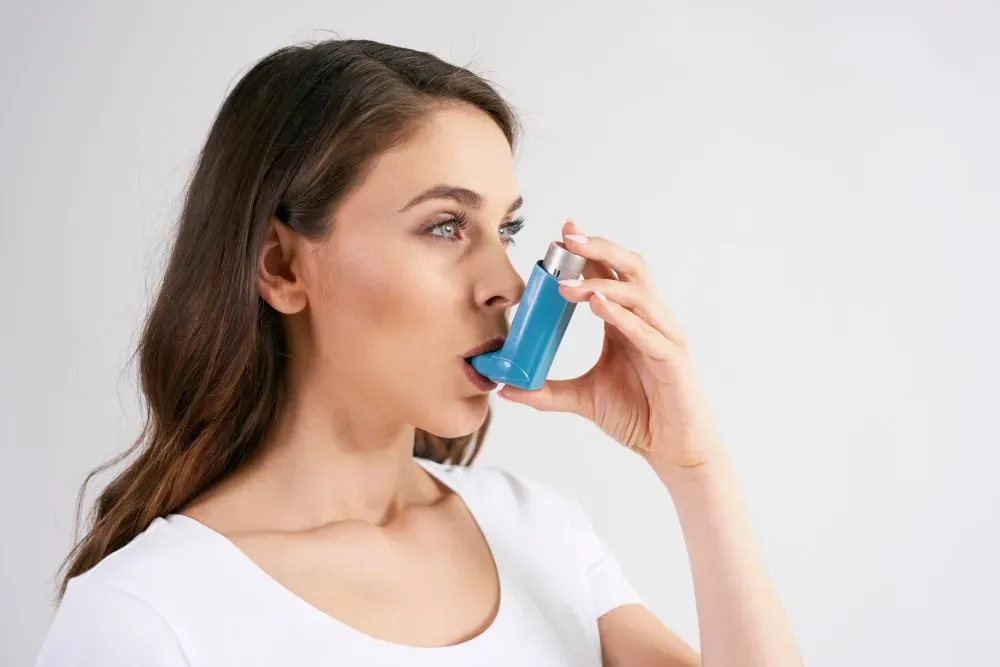
    Introduction Asthma is a chronic condition that affects the airways, causing them to become inflamed, narrowed, and more sensitive to triggers. While asthma cannot be cured, it can be effectively controlled with the right treatment and monitoring. An Asthma Action Plan is a personalized, written guide created with your healthcare provider to help you manage symptoms, respond to changes, and prevent asthma attacks. It acts as both a daily management tool and an emergency guide—ensuring you know exactly what to do in every situation. What Is an Asthma Action Plan? An Asthma Action Plan is a step-by-step set of instructions…

  • Blog - Prevention & Wellness

    Planning for the Future: Legal and Financial Considerations After Diagnosis

    Introduction An Alzheimer’s diagnosis brings emotional challenges, but it also requires practical action. Early planning ensures that the person living with Alzheimer’s has a say in their future care, finances, and legal matters before cognitive decline progresses. Addressing these issues early reduces confusion later, eases the burden on family members, and protects the individual’s rights and resources. This article outlines essential legal and financial steps to take after a diagnosis. Why Early Planning Matters Alzheimer’s is progressive, meaning decision-making ability will decline over time. Early legal and financial planning: Essential Legal Documents Having the right legal documents in place ensures…

  • Blog - Prevention & Wellness

    Addressing Vaccine Hesitancy and Misinformation

    Introduction Vaccines are one of the greatest achievements in public health, preventing millions of deaths each year. Yet, despite overwhelming scientific evidence of their safety and effectiveness, vaccine hesitancy remains a significant challenge worldwide. Fueled by misinformation, mistrust, and sometimes cultural beliefs, vaccine hesitancy can lead to dangerous declines in immunization rates—resulting in outbreaks of preventable diseases like measles. Addressing this issue requires a careful balance of empathy, education, and community engagement. Understanding Vaccine Hesitancy What is Vaccine Hesitancy? The World Health Organization (WHO) defines vaccine hesitancy as a “delay in acceptance or refusal of vaccines despite availability of vaccination…

  • Blog - Prevention & Wellness

    Traveling to Areas with Measles Outbreaks: Precautions

    Introduction Global travel can bring adventure, opportunity, and cultural enrichment—but it can also expose travelers to infectious diseases like measles. Measles outbreaks continue to occur worldwide, including in countries where it was once eliminated. Because measles is among the most contagious viruses known, travelers to outbreak regions must take preventive measures to protect themselves and avoid spreading the disease upon return. Why Travel Increases Measles Risk Precautions Before Traveling 1. Check Your Immunization Status 2. Special Recommendations for Infants 3. Consider Health Conditions Precautions During Travel 1. Practice Good Hygiene 2. Minimize Close Contact 3. Stay Informed Precautions After Returning…

  • Blog - Prevention & Wellness

    Treatment for Measles: Supportive Care and Preventing Complications

    Introduction Measles is a highly contagious viral infection caused by the measles virus. While there is no specific antiviral cure, most patients recover with proper supportive care. However, measles can lead to serious complications such as pneumonia, encephalitis, and dehydration—especially in children under 5, pregnant women, and immunocompromised individuals. Effective treatment focuses on relieving symptoms, preventing complications, and supporting recovery. Supportive Care for Measles Since measles is caused by a virus, antibiotics are not used unless a bacterial complication develops. Supportive care aims to ease symptoms and help the immune system fight the infection. 1. Rest and Hydration 2. Fever…

  • Blog - Prevention & Wellness

    The MMR Vaccine: Safety, Effectiveness, and Importance for Herd Immunity

    Introduction Vaccines have revolutionized public health by drastically reducing the spread of once-deadly diseases. Among the most important is the MMR vaccine, which protects against measles, mumps, and rubella—three highly contagious viral infections. With recent outbreaks of measles in parts of the world, there has been renewed attention on the MMR vaccine. This article explores how the MMR vaccine works, its safety and effectiveness, and why widespread immunization is critical for herd immunity. What Is the MMR Vaccine? The MMR vaccine is a combination vaccine that protects against: The vaccine contains live, weakened forms of the viruses that trigger the…

  • Blog - Prevention & Wellness

    Travel Guidelines During the COVID-19 Era

    Introduction The COVID-19 pandemic has reshaped how we travel—introducing new safety measures, health requirements, and uncertainties. Whether you’re traveling domestically or internationally, being informed and prepared is crucial to keeping yourself and others safe. This article provides up-to-date travel guidelines, including what to know before, during, and after your trip, as well as tips for minimizing COVID-19 risk while navigating the evolving landscape of global and local regulations. Why COVID-19 Travel Guidelines Still Matter While global vaccination efforts and treatments have improved outcomes, COVID-19 continues to circulate with new variants emerging. Travel increases your chance of exposure—especially in crowded airports,…

  • Blog - Prevention & Wellness

    Protecting Vulnerable Populations from COVID-19

    Introduction While COVID-19 has impacted nearly every community across the globe, it has not affected everyone equally. Certain groups—often referred to as vulnerable or high-risk populations—face a significantly greater risk of severe illness, hospitalization, or death. Protecting these individuals is not just a personal or family responsibility—it’s a public health priority. This article outlines who is considered vulnerable, why they’re at higher risk, and the most effective strategies for safeguarding their health during the ongoing COVID-19 pandemic. Who Are Considered Vulnerable Populations? Vulnerable populations include people who, due to age, underlying medical conditions, immune status, or social circumstances, are at…